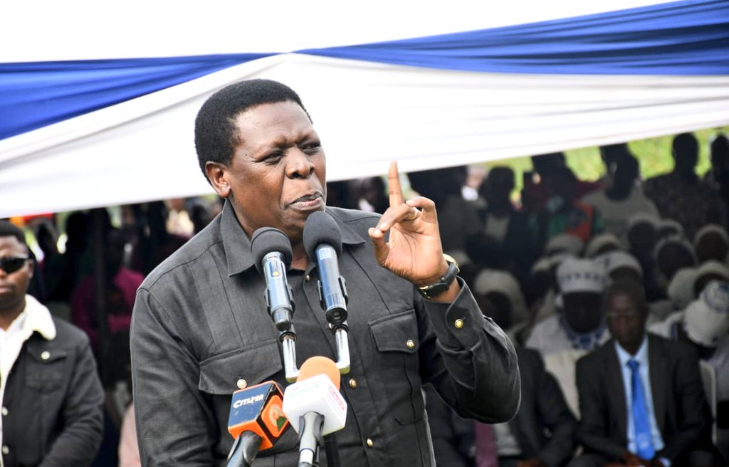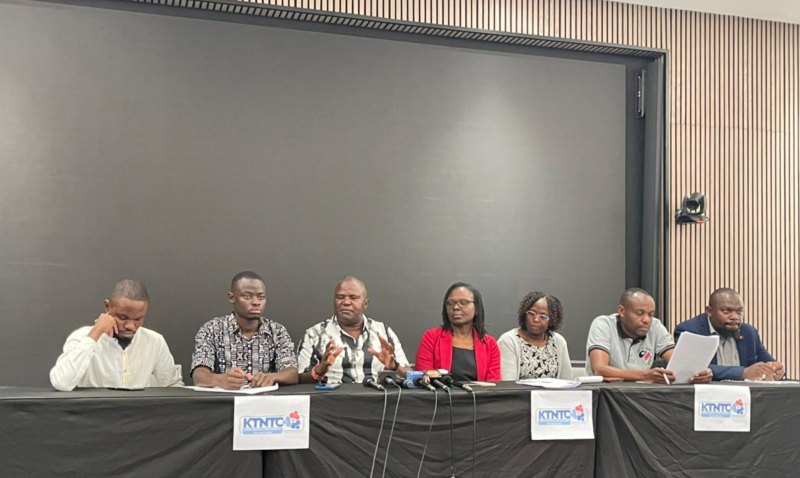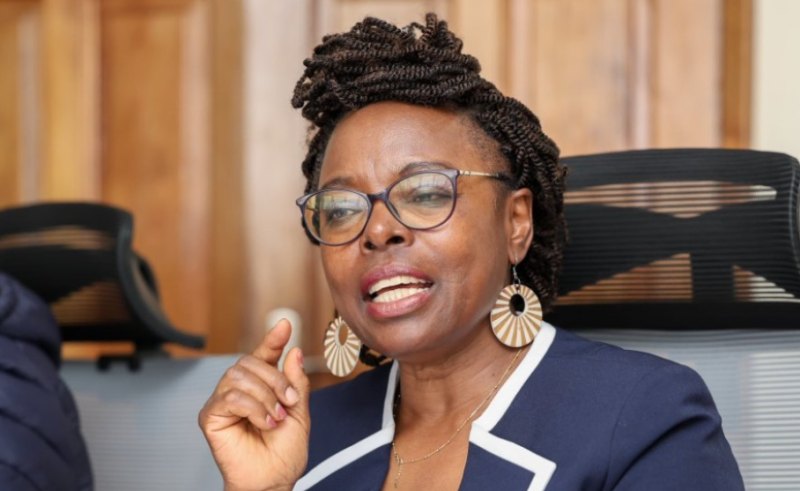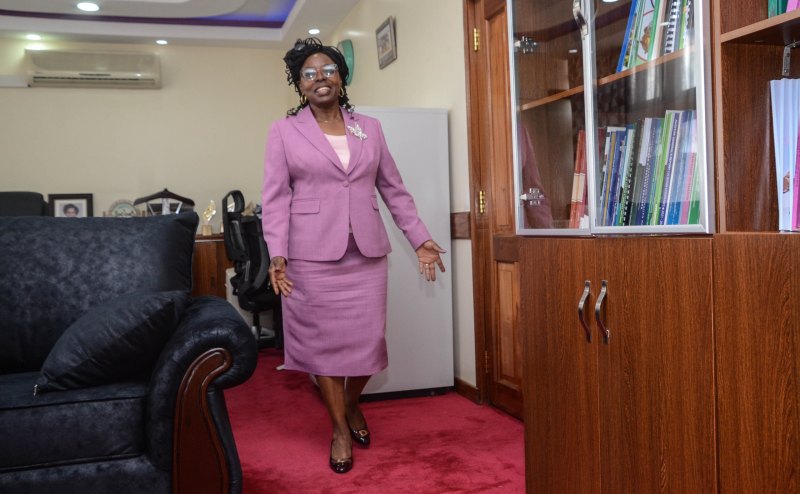
 ODM communications director Philip Etale ./PHILIP ETALE/X
ODM communications director Philip Etale has called on political leaders to uphold the dignity of their parties by addressing internal disputes internally, as opposed to resorting to public outbursts.
In a strongly worded post on X, Etale advised party leaders to refrain from engaging in online banter with party members, terming such conduct unbecoming of leadership.
“Strategically thinking: some people should learn what being a party leader entails. It is ineffable for a party leader to engage in public banter with his/her members on social media,” Etale said.
“Simply call a meeting of the Executive Committee and discuss the character of the members you deem to be out of line and reprimand them if necessary. You will thank me later.”
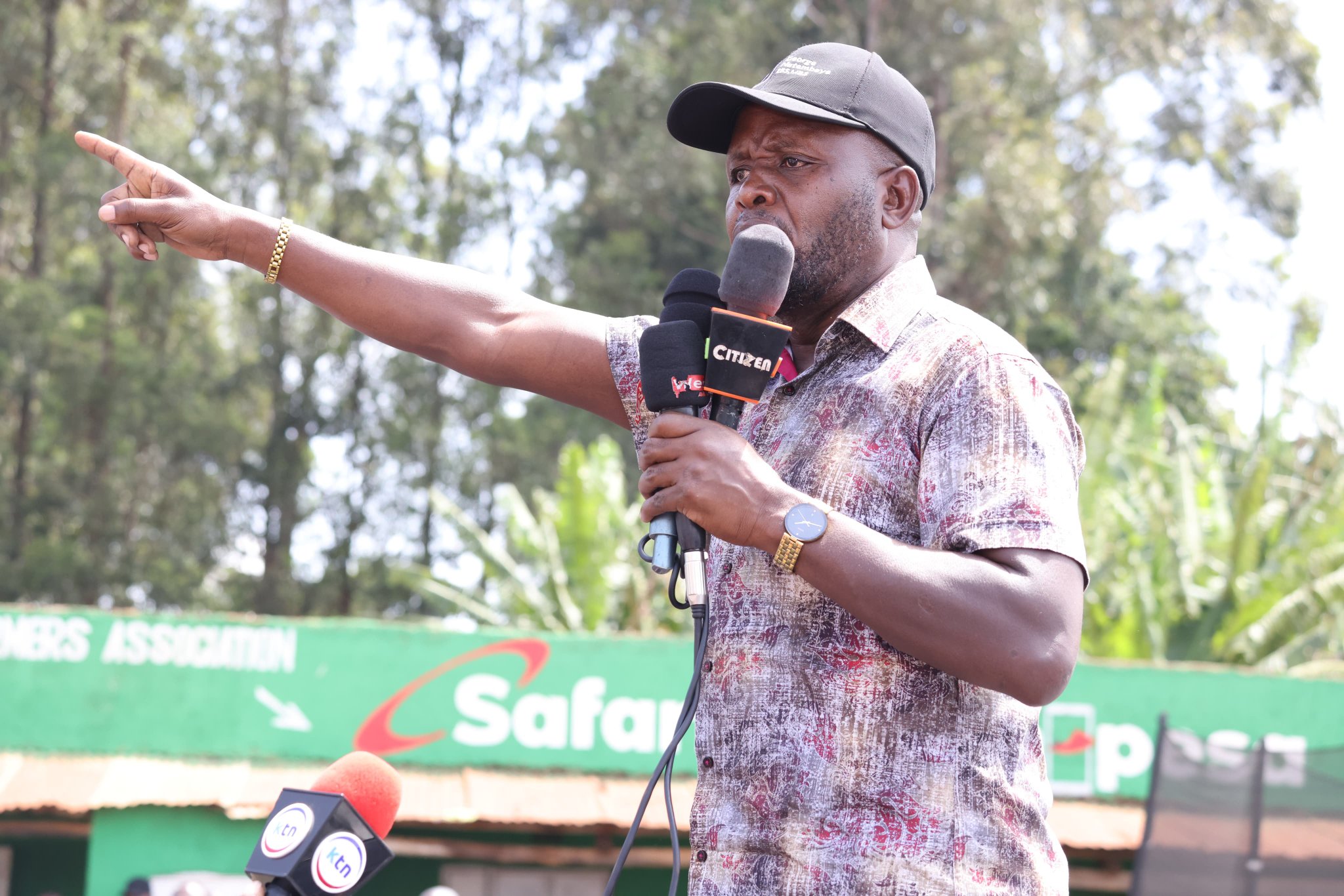
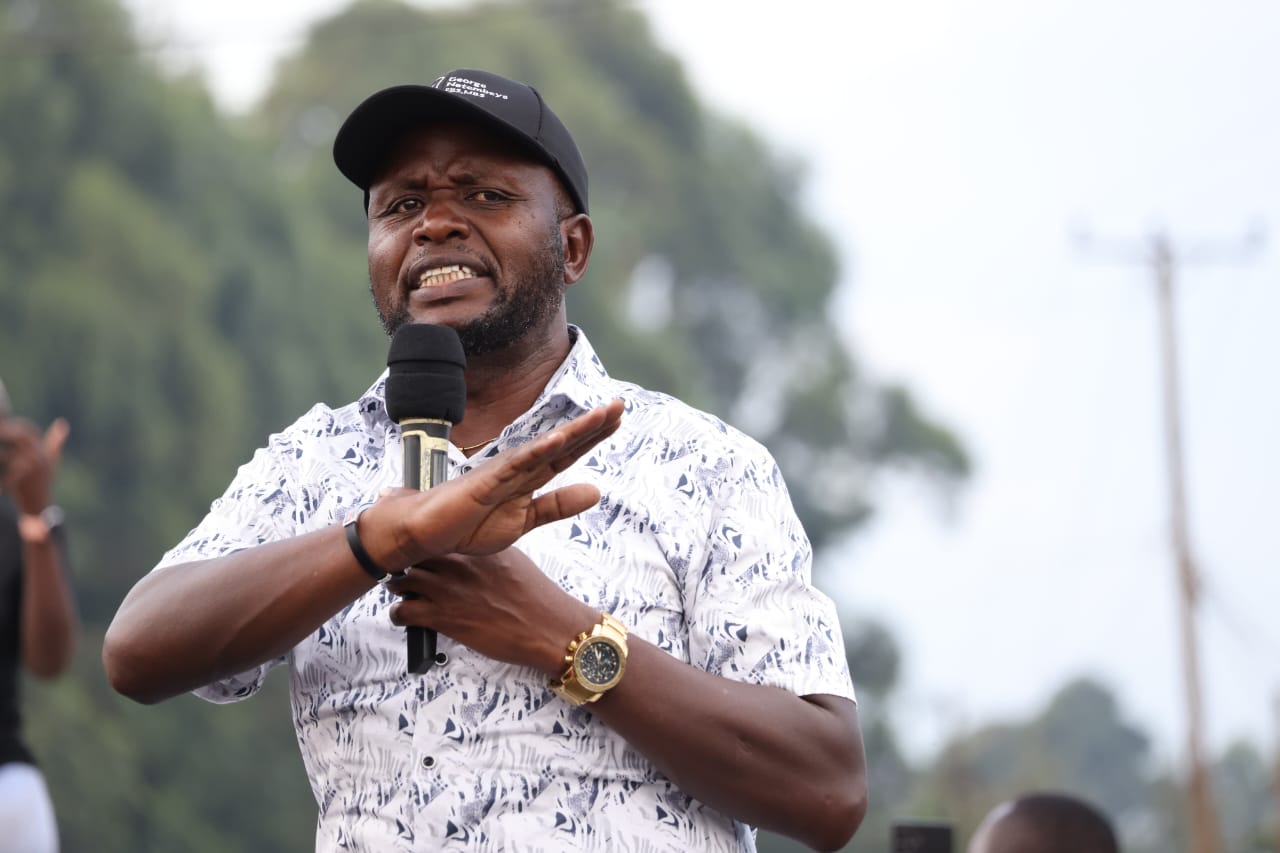
Although Etale did not mention any names, his remarks come in the wake of a public fallout within the Democratic Action Party–Kenya (DAP-K), where party leader Eugene Wamalwa openly rebuked his deputy, Trans Nzoia Governor George Natembeya, and Mumias East MP Peter Salasya.
Wamalwa accused them of attempting to engineer a coup within the party.
“My brother Peter Salasya, both you and my brother George Natembeya do not have to leave or cause a coup in our party to become party leaders or presidential candidates,” Wamalwa wrote on X.
“You are welcome to face me for the presidential ticket in free and fair nominations, as ours is truly a democratic party that can allow us all to realise our political aspirations through internal democracy without wrecking our party or washing our dirty linen in public.”
Speaking later at a press briefing on Friday, Wamalwa said the party had convened a National Executive Committee meeting to address the tension, reaffirming DAP-K’s commitment to internal conflict resolution.
“As our NEC addresses pending party matters at hand, we all agreed that our focus will remain on upcoming by-elections and our grassroots elections to strengthen our party across the country ahead of the upcoming general elections,” he stated.
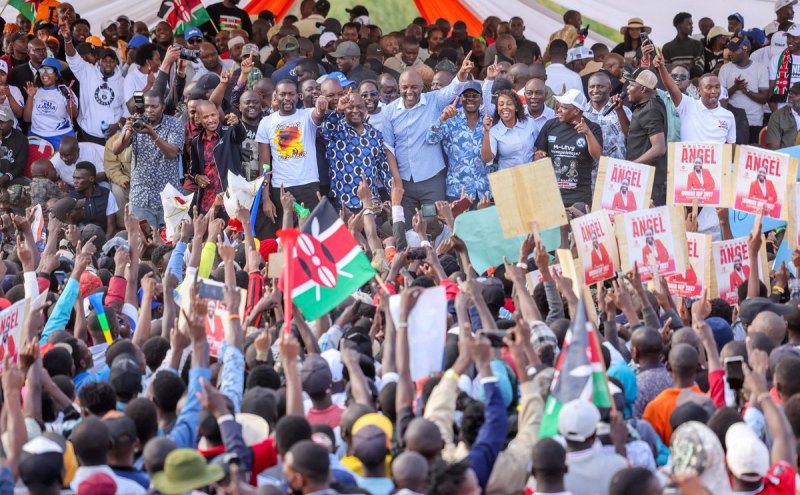
Etale’s comments highlight a growing concern in Kenya’s political landscape—an increasing tendency by party leaders and members to settle political scores in the public eye, often through social media.
Analysts note that while social media offers politicians a direct line to the electorate, public disputes between party officials erode public trust, undermine party cohesion, and risk alienating the grassroots base.
Political commentators argue that history has proved that parties that institutionalise dialogue and mediation stand a better chance of surviving beyond individual personalities.
As the country edges closer to the 2027 general election, internal discipline, democratic structures, and credible dispute resolution mechanisms may prove crucial not only in maintaining party unity but also in presenting credible alternatives to voters.
Etale’s unsolicited advice may therefore serve as a timely reminder for political actors to embrace institutional maturity over supremacy contests, which could ultimately cost them through split votes in the long run.