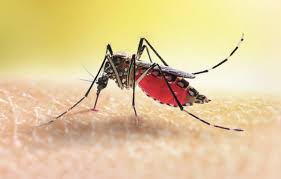
Malaria remains one of the world’s most persistent public health threats, particularly across Africa and parts of Asia, where millions remain vulnerable to infection each year.
The 2024 funding landscape highlights a continued global effort to combat the disease through research, innovation and improved interventions.
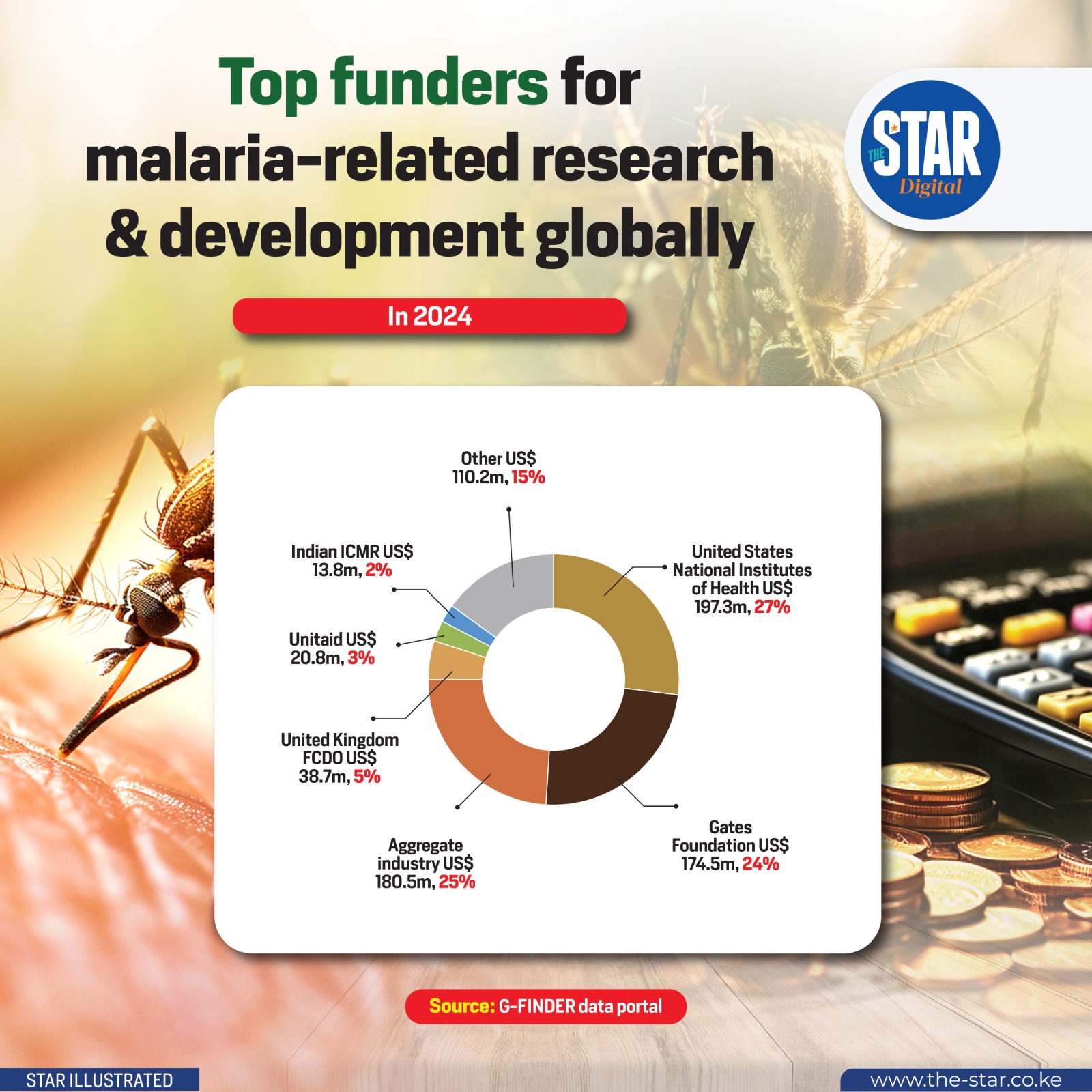
At the forefront is the United States National Institutes of Health (NIH), contributing US$197.3 million, representing 27% of all malaria R&D funding globally.
This sustained commitment reflects the NIH’s long-standing investment in vaccine research, parasite biology, vector control strategies and advanced diagnostic tools.
Close behind is aggregate industry funding, amounting to US$180.5 million (25%). This includes global pharmaceutical companies, biotechnology firms and manufacturers working on new antimalarial drugs, rapid diagnostic tests and improved treatment formulations.
The Gates Foundation, contributing US$174.5 million (24%), remains a cornerstone of malaria eradication efforts. Through long-term funding strategies and public–private partnerships, the foundation continues to support vaccine development—including next-generation malaria vaccines—vector control technologies and operational research across endemic countries.