

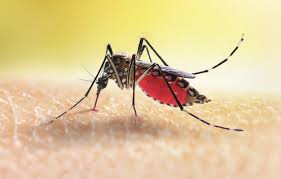
Kenya has recorded a slight increase in malaria cases in 2024, but the country remains far from the worst-affected nations in the World Health Organisation (WHO) African Region, according to a new WHO report.
Across the region, malaria continues to pose a significant public health challenge. In 2024, the African Region accounted for 94% of global malaria cases, with an estimated 265 million infections.
Most cases were reported in five countries: Nigeria (25.8%), the Democratic Republic of the Congo (13.3%), Uganda (5.0%), Ethiopia (4.7%) and Mozambique (3.9%).
Kenya’s malaria incidence rose modestly from 235.5 to 237.6 cases per 1,000 population at risk.
Several other countries experienced sharper increases, including Rwanda, Madagascar and Ethiopia, which recorded spikes of 43.8%, 27.7% and 26.7% respectively.
Ethiopia added an estimated 2.9 million cases, Madagascar 1.9 million, and the Democratic Republic of the Congo about 762,000 cases. Zimbabwe, however, recorded a 76.6% reduction.
The WHO report attributes Rwanda’s increase to “multiple factors, including climatic variations such as rising temperatures, increased humidity and heavier rainfall, along with resistance to antimalarial drugs, vector resistance to insecticides, and changes in mosquito biting behaviour that may reduce the effectiveness of existing control measures.”
For Ethiopia, the WHO links the rise in cases to “suboptimal implementation or disruption of malaria prevention and control interventions in conflict-affected regions, systemic health service delivery challenges and the influence of climate variability and change.”
Madagascar’s surge was partly associated with “extreme weather events” that created favourable breeding habitats for Anopheles mosquitoes while damaging infrastructure and limiting access to health services.
The WHO also notes that long-lasting insecticidal nets distributed in 2021 “have exceeded their effective lifespan,” with replacement delayed until late 2024.
The region recorded an estimated 579,000 malaria deaths in 2024, representing 95% of global malaria fatalities. According to the report, “just over 75% of all deaths in the region” occurred among children under five.
The WHO adds that the region’s 2024 malaria incidence was more than three times higher than the Global Technical Strategy (GTS) target, and the mortality rate was 2.7 times higher than the GTS goal.
Despite setbacks, several countries are progressing toward elimination targets. Rwanda, South Africa and Zimbabwe are reported to be “on track to meet the 2025 milestone of at least a 75% reduction in malaria case incidence,” while Algeria and Cabo Verde remain certified malaria-free.
For Kenya, the slight uptick in cases highlights the continued need for strong malaria prevention and vector control efforts to sustain progress and prevent further increases.