The latest data covering 2016 to 2023 paints a troubling picture: while some regions registered gains, global progress has flatlined, and the African continent remains the epicenter of the disease.
The report shows that malaria case numbers remain concentrated in a small group of countries. In 2023, ten nations accounted for nearly 69% of global cases, and all but one of them were in Africa.
Nigeria and the Democratic Republic of Congo alone represented more than a third of global malaria infections, underscoring the persistent regional imbalance.
The same trend is reflected in malaria mortality, with eight African countries accounting for 63% of global malaria deaths. While global malaria mortality rates have decreased since 2000, the pace of decline has slowed in recent years.
Many high-burden countries are struggling to maintain earlier gains due to population growth, climate pressures and strained health systems.
WHO notes that certain regions outside Africa—including parts of the Americas and Eastern Mediterranean—have experienced population-adjusted increases in malaria cases since 2000.
Kenya was not listed among the highest-burden countries in this section of the analysis, but the continent-wide trends remain highly relevant as neighbouring countries continue to drive global totals.
The report highlights the rapid population growth in the WHO African Region as a factor complicating progress. Even as case incidence per capita declines, absolute numbers remain high because transmission reductions cannot keep pace with demographic expansion. Another emerging challenge is malaria among displaced populations.
WHO estimates that 3.9 million malaria cases were recorded in emergency settings across ten countries in 2023—an improvement from 5.8 million in 2020, but still a major humanitarian concern. Displacement due to conflict, climate shocks and food insecurity continues to destabilise malaria control efforts, particularly in Africa.
Despite setbacks, the report also highlights pockets of progress. Case incidence has continued to fall in many countries, and several are approaching elimination thresholds. In the WHO European Region, malaria has remained eliminated since 2015. Progress is also reported in parts of Asia and the Western Pacific.
However, WHO cautions that even in improving regions, gains are fragile and require sustained investment. The report underscores that global malaria efforts are diverging: countries with strong health systems and stable financing are advancing toward elimination, while high-burden countries—particularly in sub-Saharan Africa—face stagnation or renewed increases.
WHO warns that without accelerated action, global targets for 2025 and 2030 will remain out of reach.
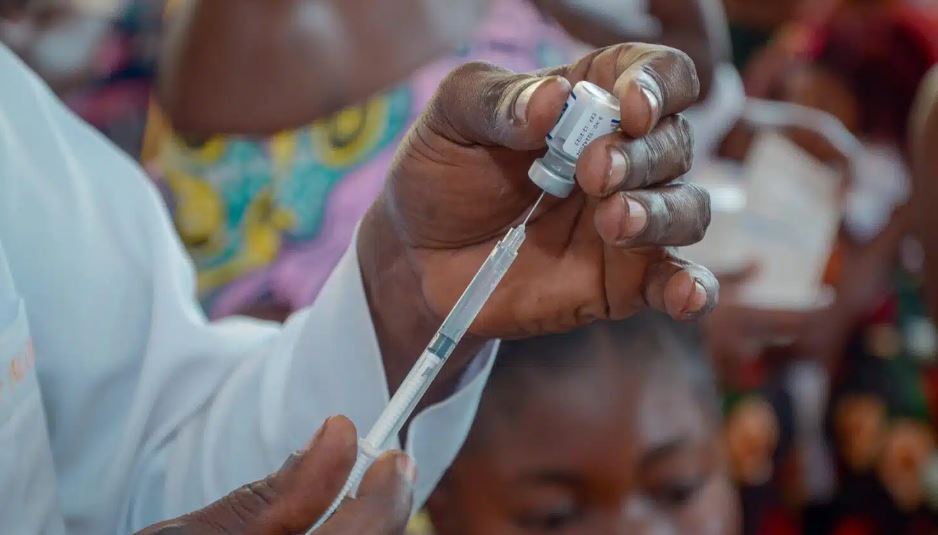
The agency calls for increased funding, stronger surveillance systems and wider deployment of prevention tools such as insecticide-treated nets and vaccines. It also emphasises the importance of adapting to evolving threats, including climate-induced shifts in transmission patterns and biological challenges like insecticide resistance.
The World Malaria Report 2025 delivers a clear message: while malaria is preventable and treatable, uneven progress and widening disparities threaten global ambitions.
For Africa—and the countries that neighbour Kenya—the fight against malaria remains at a critical junction, requiring renewed commitment, innovation and sustained financing.