Kenya’s reputation as the region’s protest capital is stirring
unease across East Africa, with neighbouring governments now accusing Kenyans
of exporting their “riot expertise” beyond the border.
Since the June 25 Gen Z demonstrations that rattled Nairobi and
other major towns, youth-led political activism has spread across the region —
from Kampala to Dar es Salaam — unsettling regimes long intolerant of dissent.
In Uganda, anti-corruption protests erupted in July last year,
with demonstrators demanding the resignation of Speaker Anita Among over graft
allegations.
But President Yoweri Museveni has since cracked down on the
growing unrest, warning that no such movements will be tolerated as the country
heads to elections in January next year.
In a televised interview with the Uganda Broadcasting
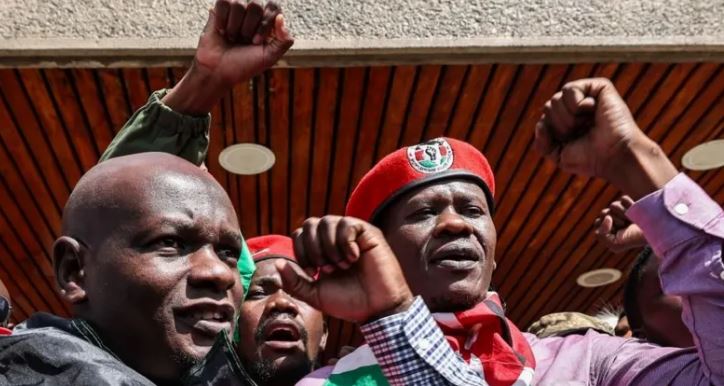
Corporation, Museveni said his government arrested two Kenyans — Bob Njagi and
Nicholas Oyoo — on October 1, describing them as “experts in riots.”
“Here we have very good intelligence. We have two Kenyans whom
we arrested. They were working with Kyagulanyi’s group — experts in riots,”
Museveni said, referring to opposition leader Robert Kyagulanyi, alias Bobi
Wine.
“Those playing that game here in Uganda will end up badly.”
Museveni’s remarks came days after Ugandan police and the army
denied holding the duo, even as courts dismissed a habeas corpus petition and
directed that they be listed as missing persons.
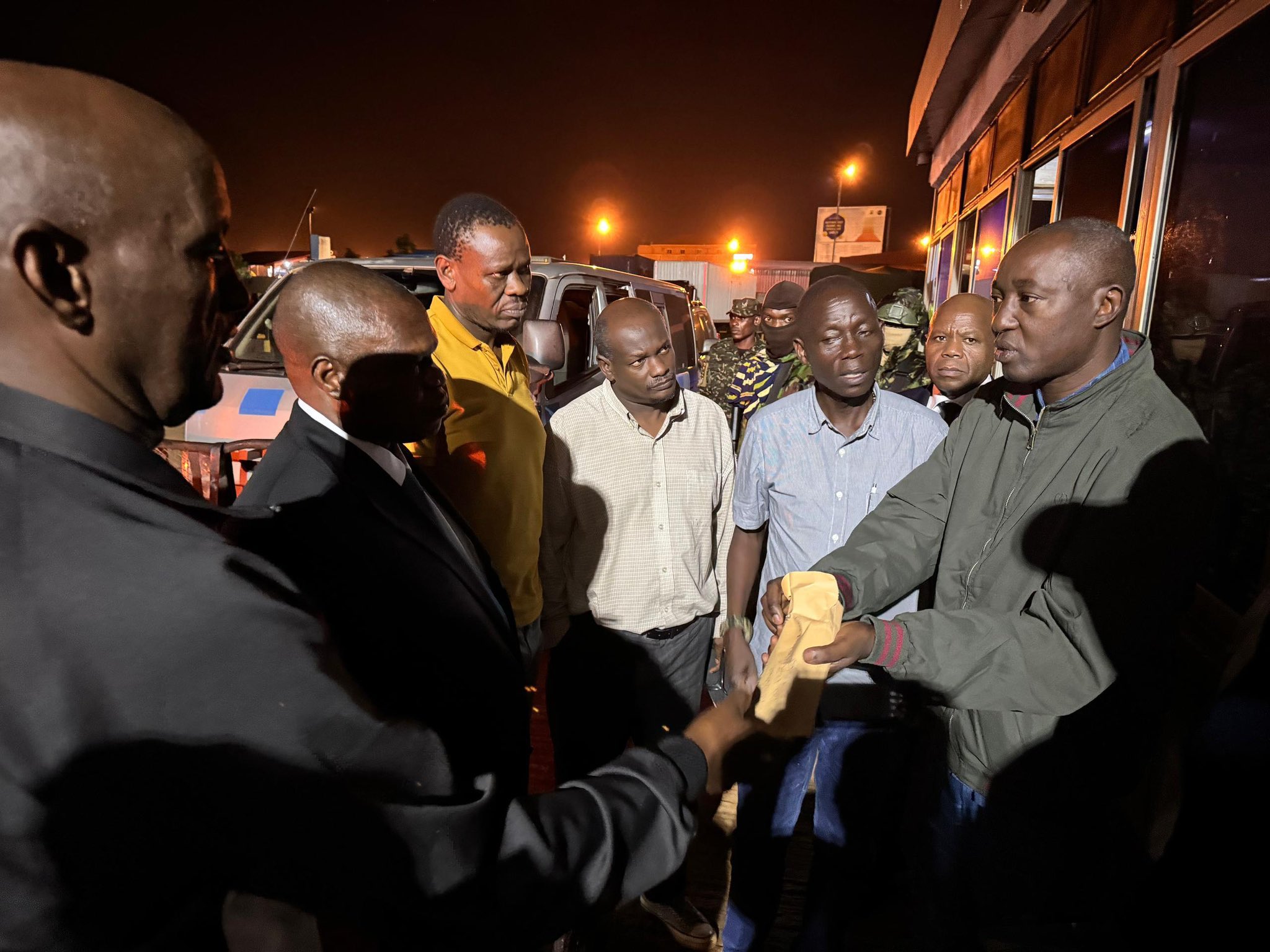
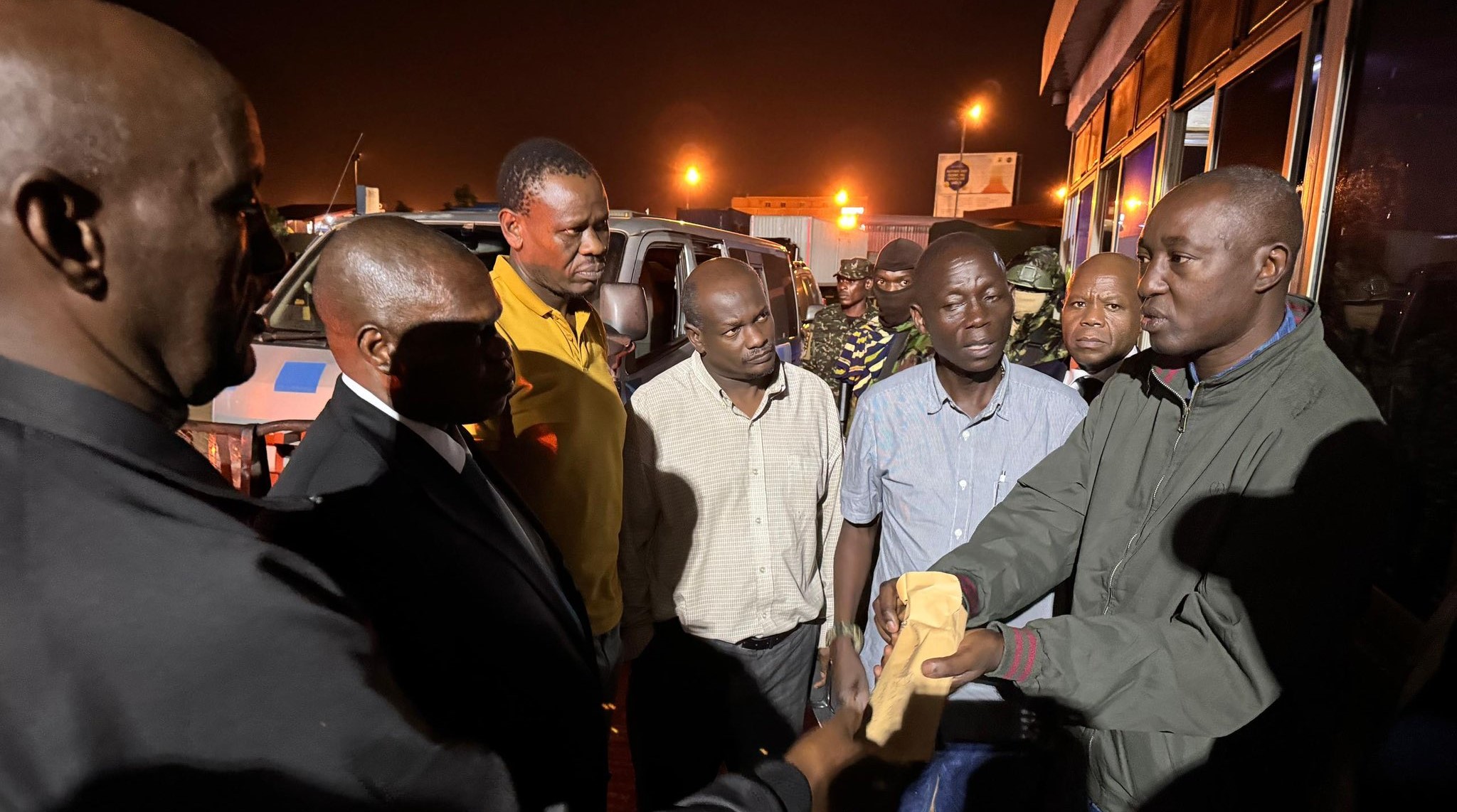
Njagi and Oyoo chairperson and secretary general of the Free Kenya Movement were later confirmed to have been held
incommunicado for 39 days at Kasenyi Military Barracks in Entebbe.
Bobi Wine accused the Ugandan authorities of abducting and
torturing the Kenyans merely for associating with his People Power Movement.
“Dictator Museveni admits they were tortured because they are
‘experts in riots.’ If they committed any offence, why were they not charged in
court?” Bobi Wine protested.
The opposition leader said the pair had informed him that they
were detained alongside “many Ugandans and other foreigners.”
Museveni’s son and Chief of Defence Forces, General Muhoozi
Kainerugaba, has also issued stern warnings, saying the military will not allow
“indiscipline” in the name of politics.
“The security of the country will not be compromised merely
because a particular candidate is campaigning. It doesn’t work like that,” Muhoozi
warned.
Following the disputed elections in Tanzania earlier this month,
Muhoozi again cautioned Ugandans against drawing inspiration from Kenya’s Gen Z
movement.
“I see the Kenyan virus has been transmitted to Tanzania.
Ugandans should not draw any silly ideas from our neighbours. The security
structure here is tight and merciless,” he said
Tanzanian President Samia Suluhu added fuel to the fire during
her inauguration, claiming that “some protesters arrested were from
neighbouring countries” — remarks widely interpreted as targeting Kenyans.
The statement triggered a diplomatic protest from Nairobi.
Kenya’s Foreign Affairs Ministry formally asked Tanzania to guarantee the
safety of its citizens following reports of harassment and arrests during the
post-election unrest.
Foreign Affairs CS Musalia Mudavadi confirmed that Kenyans
living in Tanzania had reported being targeted in the crackdown.
On Saturday, Kenya’s High Commissioner to Tanzania, Ambassador
Isaac Njenga, received two Kenyans — Fredrick Obuya and John Gitahi — who had
been arrested in Dar es Salaam. The pair was later facilitated to return home
following negotiations between the two governments.
The Kenyan government also confirmed that a teacher, John Okoth
Ogutu, 33, was shot dead during the post-election chaos in Tanzania. Interior
PS Raymond Omollo said investigations are underway to establish the
circumstances of his killing.
Even before the polls, Kenyan activists and lawyers observing
opposition leader Tundu Lissu’s treason case were deported or detained. Among
them was Boniface Mwangi, who reported being tortured and later dumped at the
Kenyan border.
Suluhu has repeatedly accused
regional activists of interference: “We have started to observe a trend where
activists from other countries intrude in our affairs. They have destabilised
their own nations; we must not allow them to destabilise Tanzania,” she warned
in May.
Civil society organisations,
however, say such actions mark a dangerous assault on regional freedoms.
Irene Soile of Amnesty
International warned that the clampdown could embolden other authoritarian
regimes.
“If the trends in Tanzania and
Uganda continue, human rights violations will only grow worse,” she said.
Hussein Khalid, executive director
of Haki Africa, urged regional solidarity against state repression:
“We are calling on citizens of
Kenya, Tanzania and Uganda to unite. An attack on one country is an attack on
all of us,” he said.