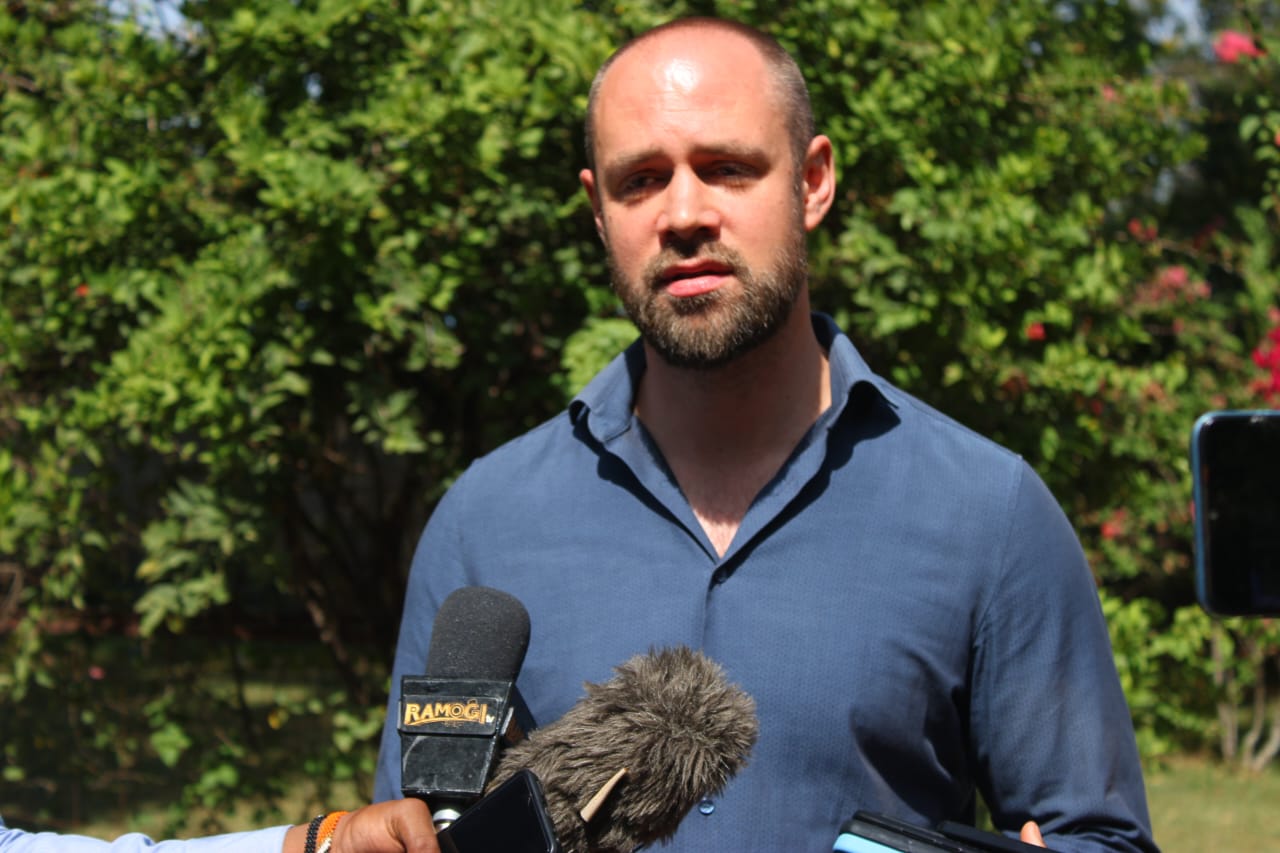
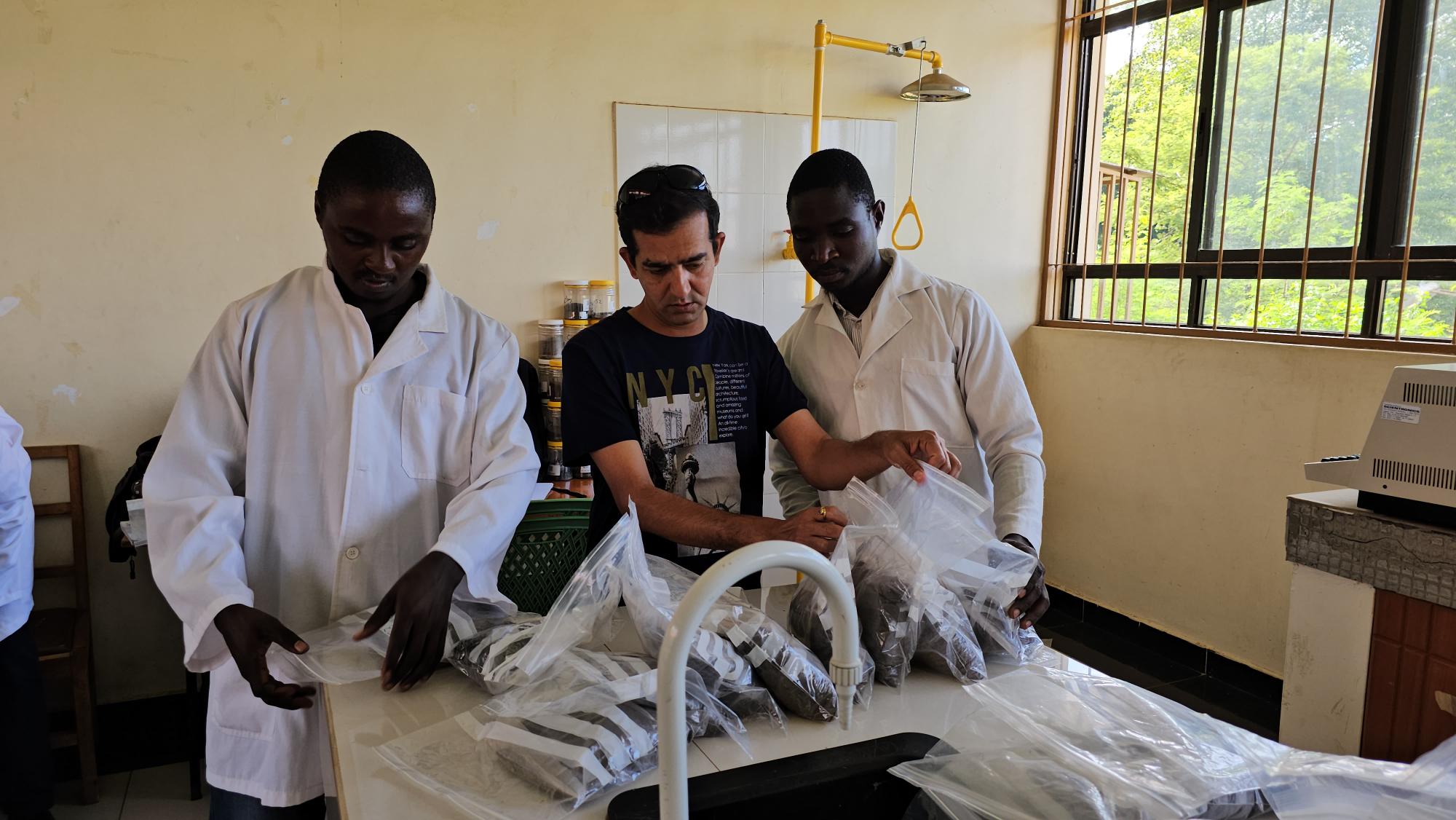
 David Kersting, project manager for GIZ’s pro-soil programme /FAITH MATETE
Soil degradation is worsening in Kenya, and needs increased investment in knowledge, capital and stronger institutions to restore soil health and boost agricultural productivity.
The country loses an estimated Sh170 billion annually due to depleted soil fertility, erosion, and poor land management practices.
Speaking during an engagement on soil protection and sustainable land management, David Kersting, the project manager for the German Development Agency (GIZ) pro-soil programme, said healthy soils require several foundations: proper knowledge on soil management, adequate investment, and supportive institutional frameworks for farmers.
According to the team, the knowledge gap remains one of the biggest obstacles to soil restoration. Kersting noted that extension services, which are the responsibility of county governments, have suffered years of underinvestment, leaving farmers without the technical skills needed to improve soil fertility.
“Healthy soils don’t require a lot of money, but they do require a lot of knowledge,” he said, adding that extension officers are knowledgeable but lack resources to effectively reach farming communities.
Heavy rainfall, nutrient depletion, and acidification were identified as the main drivers of soil degradation.
Continuous food production without adequate nutrient replenishment is stripping soils of fertility, while misuse of fertilizer has increased acidity, reducing crop yields.
In drier regions such as Northern Kenya, wind erosion poses a greater threat, highlighting the need for location-specific interventions.
Kersting highlighted six approaches under Sustainable Agricultural Land Management, including improving soil fertility through composting and liming, conservation agriculture, agroforestry, integrated pest management, soil and water conservation methods such as terracing, and adherence to good agricultural practices.
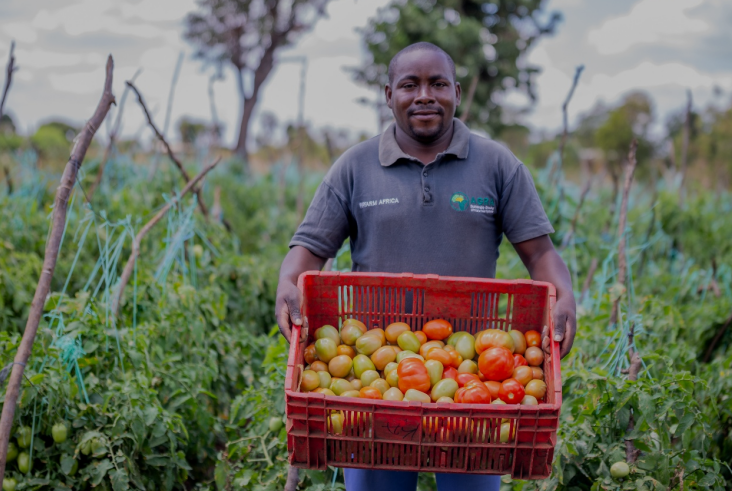
GIZ’s SALM project in three Western counties, including Bungoma, ends in March 2026, having worked with 228,000 farmers—63 per cent women and 28 per cent youth—boosting yields by 40 to 50 per cent.
He also raised concerns about land fragmentation, population growth, and competing land uses such as sand harvesting and gold mining.
He warned that as agriculture becomes less profitable or less attractive to young people, rural-urban migration rises, increasing pressure on urban job markets.
“Urban centres must expect greater influx from rural areas. If employment opportunities are not available, young people get stuck in between,” Kersting noted.
Kersting further reported that while women do most of the farm labour, decision-making is still dominated by men, often absent due to work. This mismatch remains a barrier to the adoption of improved agricultural practices.
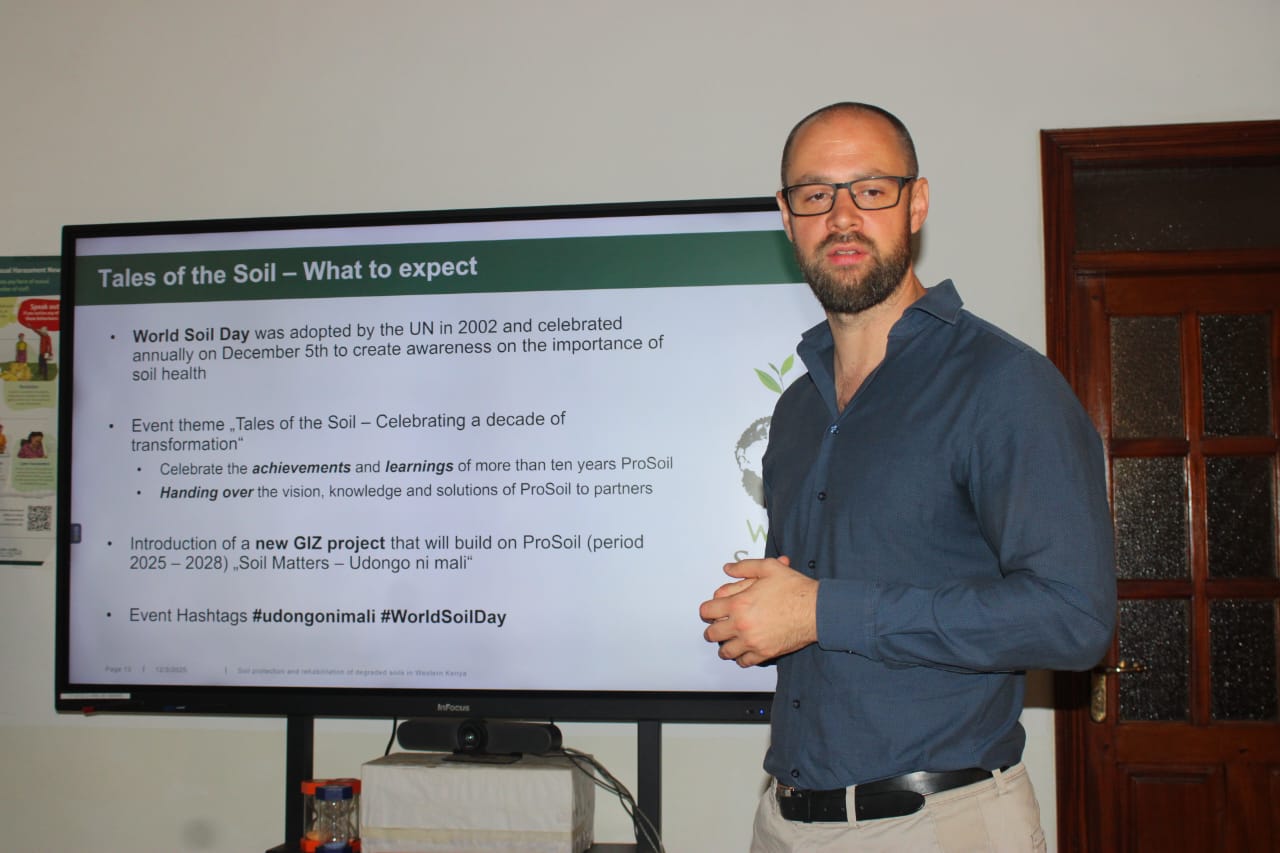
Looking ahead, he announced a new project that will build on a decade of work in Western Kenya.
The project, set to launch on Friday during World Soil Day celebrations under the theme “Soil Matters, Udongo ni Mali,” will run from 2025 to 2028.
It aims to work closely with farmers, treating them as innovators whose experiences guide practical interventions.
The initiative will also support the growing local organic fertilizer industry and collaborate with the Ministry of Agriculture to implement the Nairobi Declaration on Soil Health, endorsed by African Heads of State in 2024.
The declaration commits countries to improving soil health and strengthening fertilizer investments over the next ten years.
The project will help Kenya tailor these commitments to its specific needs and mobilize public funds to support soil restoration efforts.
INSTANT ANALYSIS
Kenya loses an estimated Sh170 billion annually due to soil degradation driven by nutrient depletion, erosion, acidification, and poor land management. The lack of technical knowledge among farmers, underfunded extension services, and gender disparities in decision-making hinder adoption of sustainable practices. GIZ’s Sustainable Agricultural Land Management (SALM) initiatives in western counties have shown measurable success, boosting yields by 40–50% among 228,000 farmers. The new 2025–2028 project, aligned with the Nairobi Declaration on Soil Health, seeks to scale these gains, support organic fertilizer production, and strengthen institutional frameworks. Without urgent investment in knowledge, capital, and governance, soil degradation will continue to threaten food security and rural livelihoods.










![[PHOTOS] Ruto pushes for stronger Kenya-EU economic ties in Brussels](https://cdn.radioafrica.digital/image/2026/06/3aebc395-285b-441c-8aa4-33cb538f8d44.jpg)