
Counties with lowest numbers of new HIV infections
Wajir had the lowest number of new cases at 32.
2d agoWILLIAM WANYOIKEInfographics
Only 91 new cases registered in the county this year, down from 779 cases recorded in 2013.
In Summary

Audio By Vocalize
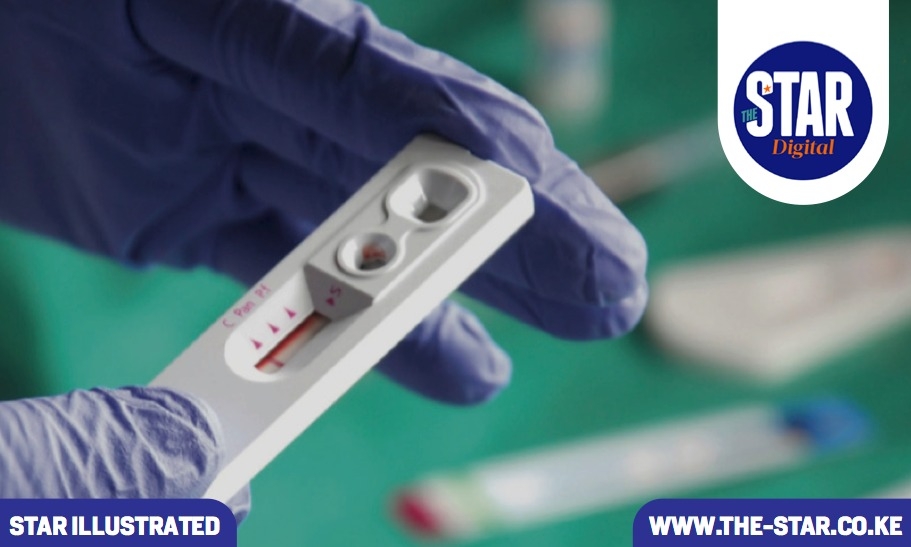
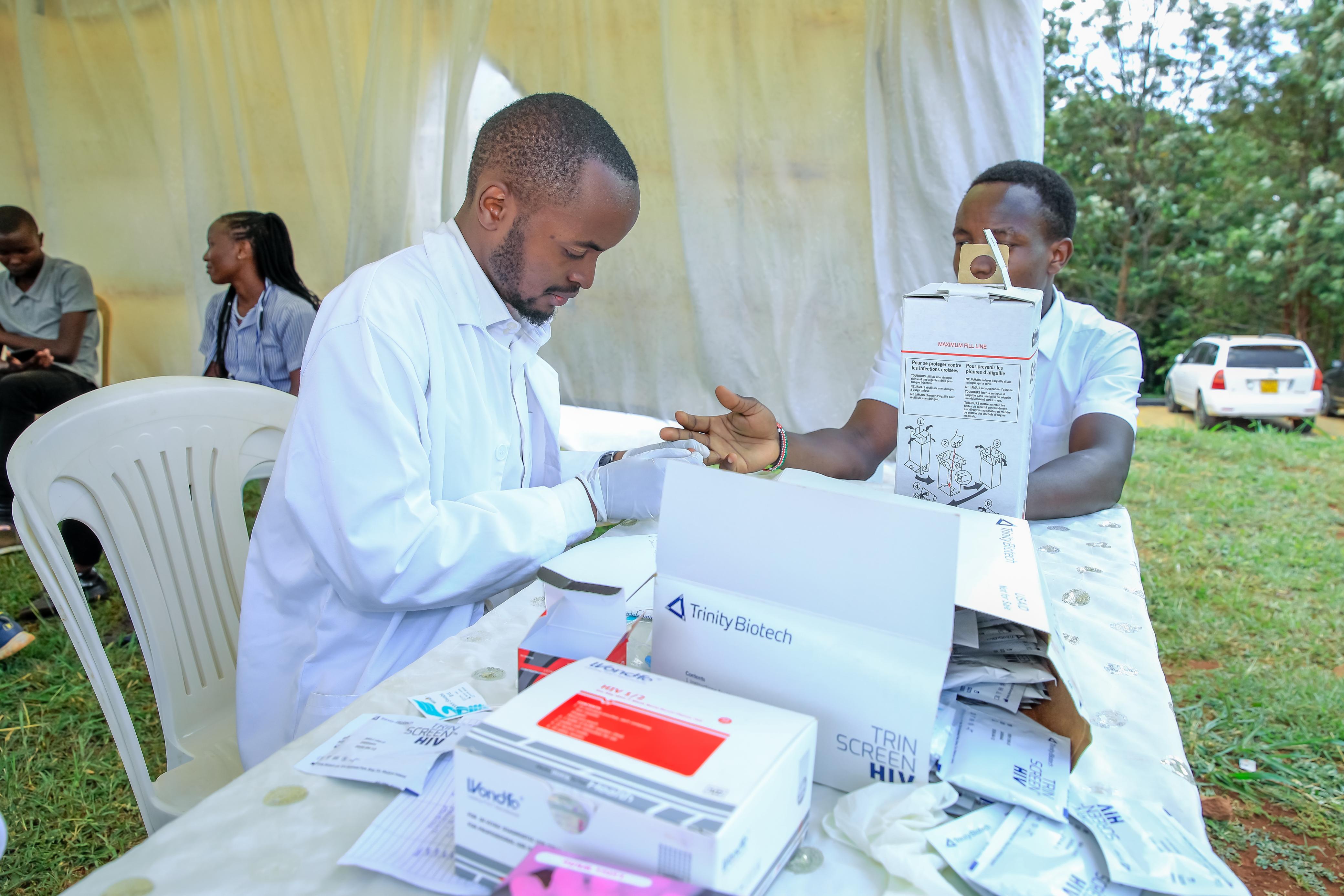 A medic tests the HIV status of a Kirinyaga resident during the World Aids Day celebrations/HANDOUT
Kirinyaga County has recorded a remarkable decline in new HIV infections, with only 91 new cases registered in the county this year, down from 779 cases recorded in 2013.
Health executive George Karoki said the notable progress is a result of concerted effort in advocacy for prevention and enrollment in HIV management programmes, among other measures.
Describing the decline as a key public health achievement, Karoki pointed out that the county administration has invested in digitised diagnostic equipment, expanded advocacy programmes and strengthened Community Health Promoters networks to enhance prevention and management.
The CECM also announced that the county has achieved the UNAIDS 95–95–95 target, meaning 95 per cent of residents know their HIV status, 95 per cent of those diagnosed are on antiretroviral therapy (ART), and 95 per cent of those on treatment have achieved viral suppression.
At the same time, statistics from the health department confirmed that 13,000 people are living with HIV in Kirinyaga including 447 children below 14 years, with 12,998 already on treatment.
“About 97 per cent of the people under treatment have achieved viral suppression and cannot transmit infection but we urge them to continue adhering to the recommended treatment regimen that has been simplified to one pill a day with fewer side effects,” Karoki said.
He said this year’s Wolrd Aids Day theme, ‘Ending AIDS in Adolescents and Young People’, resonated with the reality on the ground where adolescents and young adults continue to bear the highest burden of new infections.
The county has stemmed mother-to-child transmission of HIV to 6.5 per cent with improved antenatal coverage at 63 per cent and maternal health interventions with skilled birth attendance at 92 per cent.
Despite the progress, Karoki observed that there is still a significant risk of infection, especially among young people, noting that 41 per cent of new infections involve young people aged between 14 and 24, making adolescents the centre of the county’s prevention strategy.
The County HIV and Sexually Transmitted Infections Programme Coordinator, Joseph Kanyi, underscored the urgency of focusing on adolescents and children saying they now represent the most vulnerable group.
“This year, we are targeting adolescents and children because new infections are increasing among them, and they are also facing the biggest burden of gender-based violence and teenage pregnancies,” Kanyi said.
He explained that many young people have never witnessed the severe late stages of Aids, which has created a false sense of safety.
At the same time it was observed that sexual and gender-based violence remains a major driver of new infections as measures are put in place to eliminate the triple threat of HIV, SGBV and teenage pregnancies by 2030 in the county.
Gender CECM Millicent Nyawira reiterated the county government’s commitment to combating GBV, noting a coordinated campaign to empower families and reduce vulnerabilities that expose young people to risky environments is currently undergoing.
“We are empowering youth, women and men to reduce poverty. All children should be in school, and women should be able to provide for their families,” she said, encouraging young people to use social media as a platform to create awareness on STIs.
Wajir had the lowest number of new cases at 32.
2024 data
HIV prevalence is the proportion of a population that is living with HIV at a specific point in time.