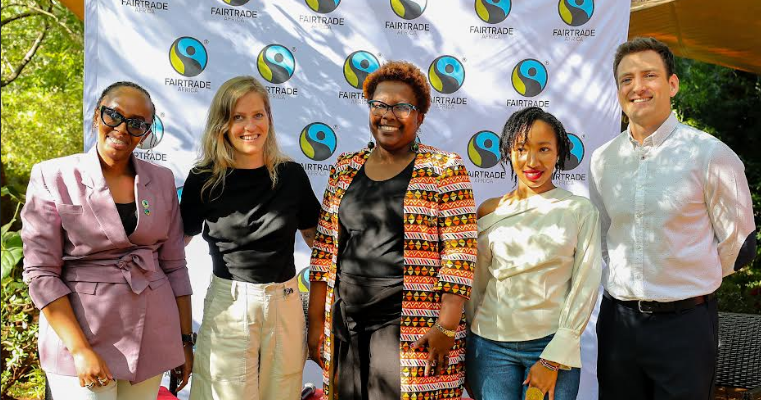
Fairtrade Africa marked its 20th anniversary with a push for stronger ethical consumption across the continent, launching the ‘Be Fair Right Now’ campaign in Nairobi.
The organisation unveiled the initiative while bringing together partners and producers to reflect on two decades of work in farmer empowerment.
The discussion traced Fairtrade Africa’s evolution from supporting a handful of coffee cooperatives to becoming a continent wide network.
Fairtrade Africa now represents close to 1.5 million farmers and workers across 29 countries in Africa and the Middle East.
Its focus has remained on improving incomes, securing fairer trading terms, and strengthening community resilience.
Executive Director Isaac Tongola noted that the long term impact of the movement, pointing to the financial flows that have gone directly into community development.
“For 20 years, Fairtrade Africa has stood for the belief that farmers and workers deserve a say in shaping their future. Their leadership has driven over €650 million (Sh98.05 billion) into community investments that have changed lives across Africa,” he said.
Tongola added that the new campaign was a reminder of the organisation’s commitment to fairer trade, stronger partnerships, and a more resilient future for the millions who grow our food.
Fairtrade’s economic footprint has expanded significantly over the last decade.
The Fairtrade Premium the additional amount paid to producer organisations on top of the market or minimum price rose from €21 million (Sh3.17 billion) in 2013 to €90.9 million (Sh13.7 billion) in 2024.
The funds have been channelled into education, healthcare, housing and community infrastructure, with all investment decisions made democratically by farmers.
In Kenya, the stakes remain high with about three million farmers and agricultural workers estimated to earn below the minimum legal wage.
Fairtrade Africa said its work is aimed at ensuring farmers receive fair compensation while building sustainable, long term production systems.
Part of that effort has centred on gender equity.
Women carry out between 42 and 65 percent of agricultural labour in Kenya but often earn less and have fewer resources.
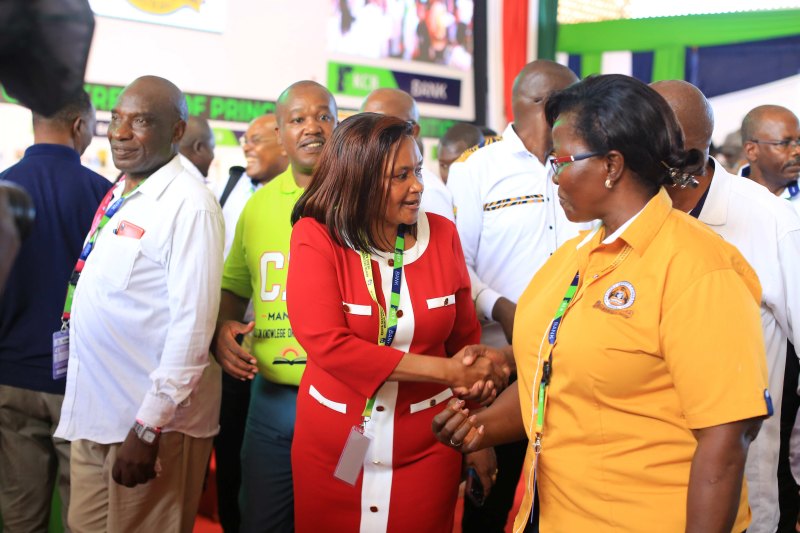
At the event, women leaders described the changes Fairtrade certification has brought within their communities.
The Unit Manager at Gatunguru Tea Factory Nancy Gathaiga said, “Our work is centred on empowerment; ensuring women understand their rights and supporting men to embrace shared business ownership so women can effectively support production and quality control.”
Githaiga noted that women now hold 30 percent of leadership roles at her organisation, a shift from a time when they had virtually no representation before certification.
Climate challenges also dominated the conversation.
Farmers described rising pressures on ecosystems that threaten crops such as tea and coffee.
To build resilience, Fairtrade supported cooperatives have invested in environmental protection and youth focused agricultural programmes.
Martin Kinyua of Mutura Tea Farms said Fairtrade premiums had transformed daily operations.
“This year alone, we managed to raise 10 million shillings and used this to upgrade 95 percent of our drying tables to metal to protect our forests, establish the biggest coffee nursery in Kenya's cooperative sector to empower young people and women in farming, and invested in comprehensive staff training on workers' rights,” Kinyua said.
Young farmers also shared the challenges they face in sustaining agricultural livelihoods.
Fairtrade Africa Youth Coordinator, Mercy Chumo said the platform provides space for young people to discuss their realities and find new pathways in farming.
“We need more youth in farming for the future of our food systems. I mean, can you imagine a world without tea or coffee?” she paused a question.
The Be Fair Right Now campaign will run through the festive season and focuses on encouraging Kenyans to make informed purchasing choices.
It includes a digital quiz with prizes ranging from Fairtrade product vouchers to a weekend getaway.
Key campaign partners include Kericho Gold and Dormans Coffee, whose ethical sourcing commitments support certified farmers.