More than 40,000 farmers are expected to benefit from improved food production after the Kenya Agricultural and Livestock Research Organisation (KALRO) began a project for promoting integrated pests management.
The project, which is implemented in Homa Bay, Nandi, Migori, Bungoma and Kakamega counties, is aimed at enhancing food security and food safety.
Statistics reveal that farmers lose at least 30 per cent of their produce to pests and other diseases before harvesting every season.
KALRO, in partnership with the Food and Agricultural Organaization (FAO), and respective county governments are undertaking the programme to reduce the cost of food production and improve food security.
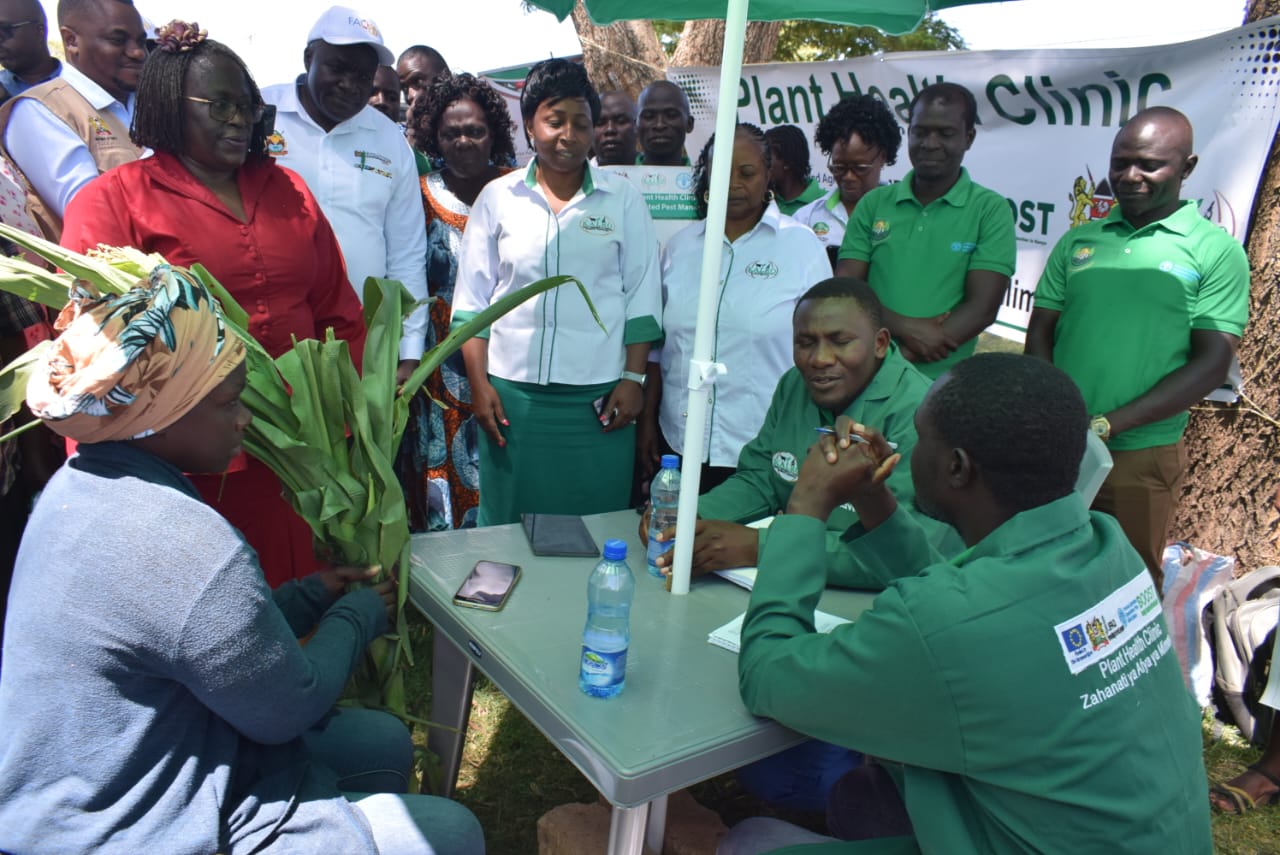
The project involves training of experts who undertake plant health management.
The experts teach farmers in villages on how to do integrated pest management and disease control.
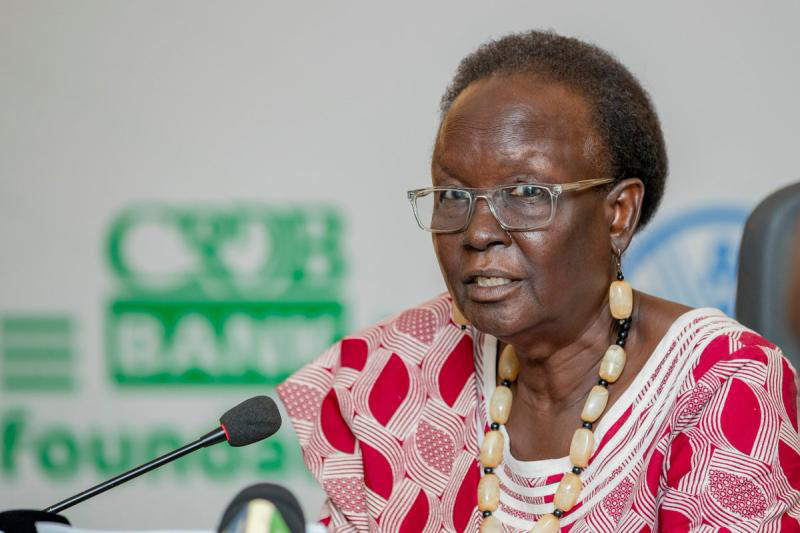
The Director in charge of Partnerships and Business Development at KALRO Margaret Makelo, FAO’s Boost Project Coordinator Jimmy Mweri and Homa Bay County Agriculture Director Erick Adel said the knowledge on the integrated pest management will enable farmers to control pests effectively in their farms.
“The application of various methods of pest control enhances efficacy in eradicating the pests. Some pests are controlled using chemical methods while others are controlled using biological methods alongside other means,” Makelo said.
Speaking during the launch of the implementation of the project at Kendu Show Ground in Karachuonyo constituency, Makelo said not all pests can be controlled with chemicals.
Application of various methods includes early planting, crop rotation and others to enable farmers to improve crop yield.
She said the project will also lower the cost of crop production by farmers.
“The services which our experts are going to offer will cushion farmers from the high cost of production. The services will also cushion them from loss of crops orchestrated by pests,” she said.
She urged the trainees to serve farmers well for the project to achieve the intended objectives. Mweri said the project will bridge the gap between the demand for food and its supply.
“This project involves a holistic approach that will ensure farmers get what they should get from their farms,” Mweri said.
He said the project will also enhance food safety and food security in the target counties.
“Farmers are also taught how to grow food in a safe manner by reducing the use of chemicals,” he said.
Mweri said the project will address climate change adversity by providing farmers with the knowledge on climate-friendly farming practices.
Adel said the project will address the shortage of agricultural field extension officers’ services in his county.
He said the current ration of agricultural field extension of officers to farmers in his county is 1:4000.
“We have a serious shortage of agricultural extension of officers in our county due to limitation of resources. This project will reduce the shortage,” Adel said.