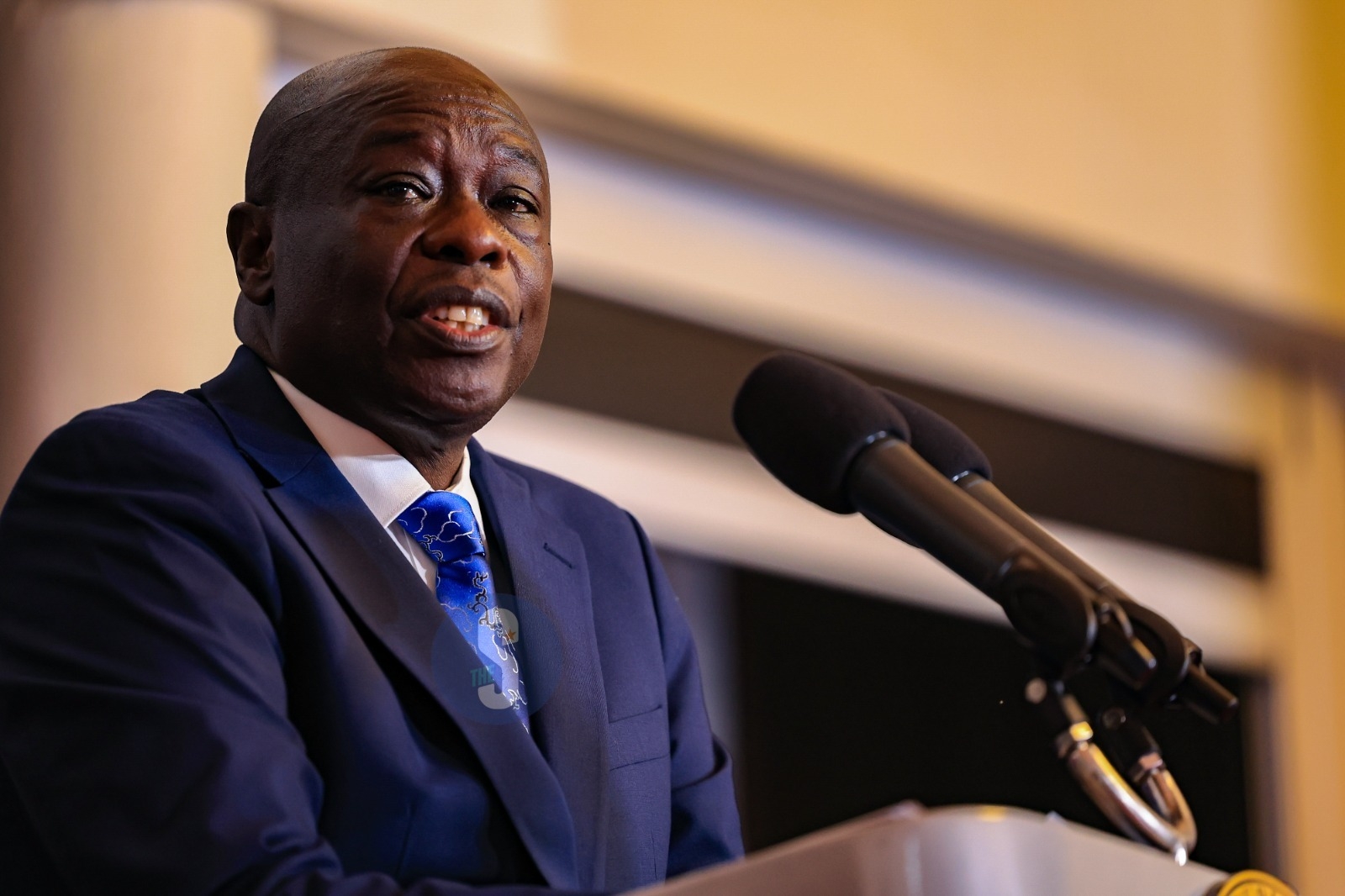


Businesswomen in Nairobi have criticised remarks by former Deputy President Rigathi Gachagua, in which he suggested that his Democracy for the Citizens Party (DCP) intends to establish Nairobi as its political base.
The traders, drawn from various city markets, said the comments risk undermining Nairobi’s long-standing culture of inclusivity.
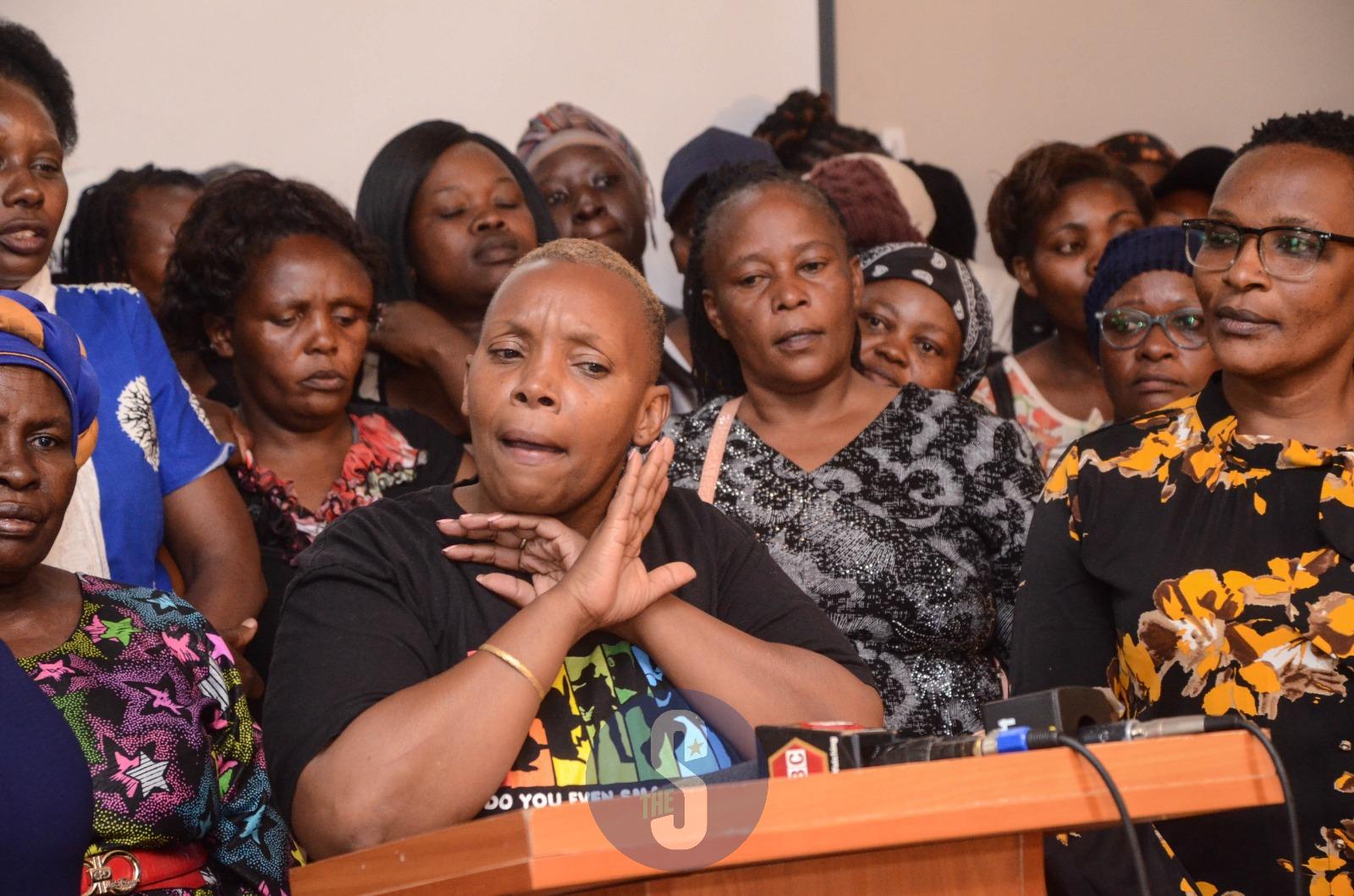
Addressing a press conference, the women said the remarks made during a Thanksgiving ceremony at PCEA Kariobangi North on November 30, 2025, may have been interpreted by some as implying that elective positions in the capital should predominantly be held by members of their community.
They argued that such perceptions could affect political coexistence as well as day-to-day business interactions that depend on a diverse clientele.
Esther Gathoni, a trader at Wakulima Market, said the remarks had raised concerns among business owners.
“We are businesswomen, and we need all communities for our businesses to thrive. I want everyone to purchase my onions. I cannot sell only to people from one community,” she said.
She added that every Kenyan should be able to seek elective office in Nairobi without restrictions based on ethnicity or party affiliations.
“If people prefer a candidate from a particular region, that is their democratic choice. But let us not say seats are reserved for particular people or parties,” she said.
During the Kariobangi North event, Gachagua said DCP sought to strengthen its presence in Nairobi ahead of the 2027 General Election.
He told supporters the party, working with the Wiper Party led by Kalonzo Musyoka, plans to field candidates in 16 of Nairobi’s 17 constituencies, seek a majority in the county assembly, and contest all top county positions.
He described the Kariobangi North by-election victory as an important milestone for the party.
However, the businesswomen urged leaders to avoid statements that could be interpreted as promoting political zoning. Elizabeth Waithera, a trader at Gikomba Market, said Nairobi’s economy depends on open markets that serve people from all communities.
“I sell to everybody who comes here, not just people from my region. If I only served one group, I would close shop very fast,” she said.
Another trader, Joyce Muthoni, called on leaders to emphasise unity.
“He should clarify the remarks and help promote inclusivity, because Nairobi depends on cooperation among all its communities,” she said.
Margaret Njure, also a trader, cautioned that similar rhetoric in other regions could create unnecessary tensions.
“We must be accommodating to everybody,” she said.