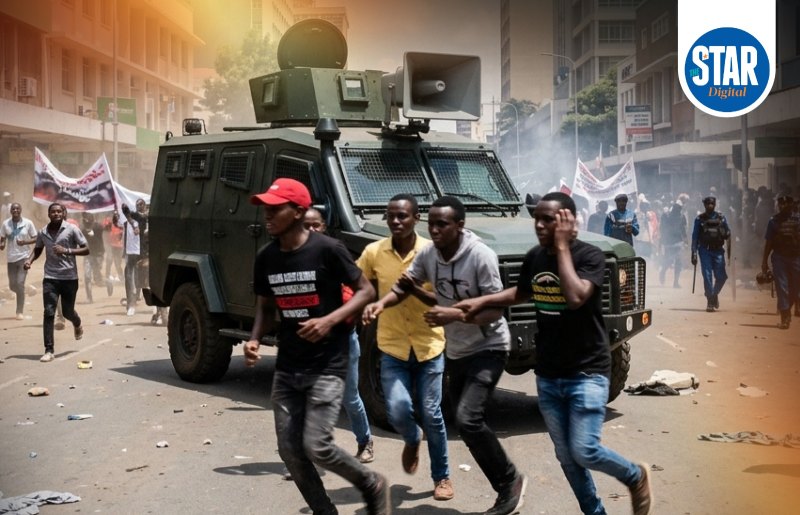
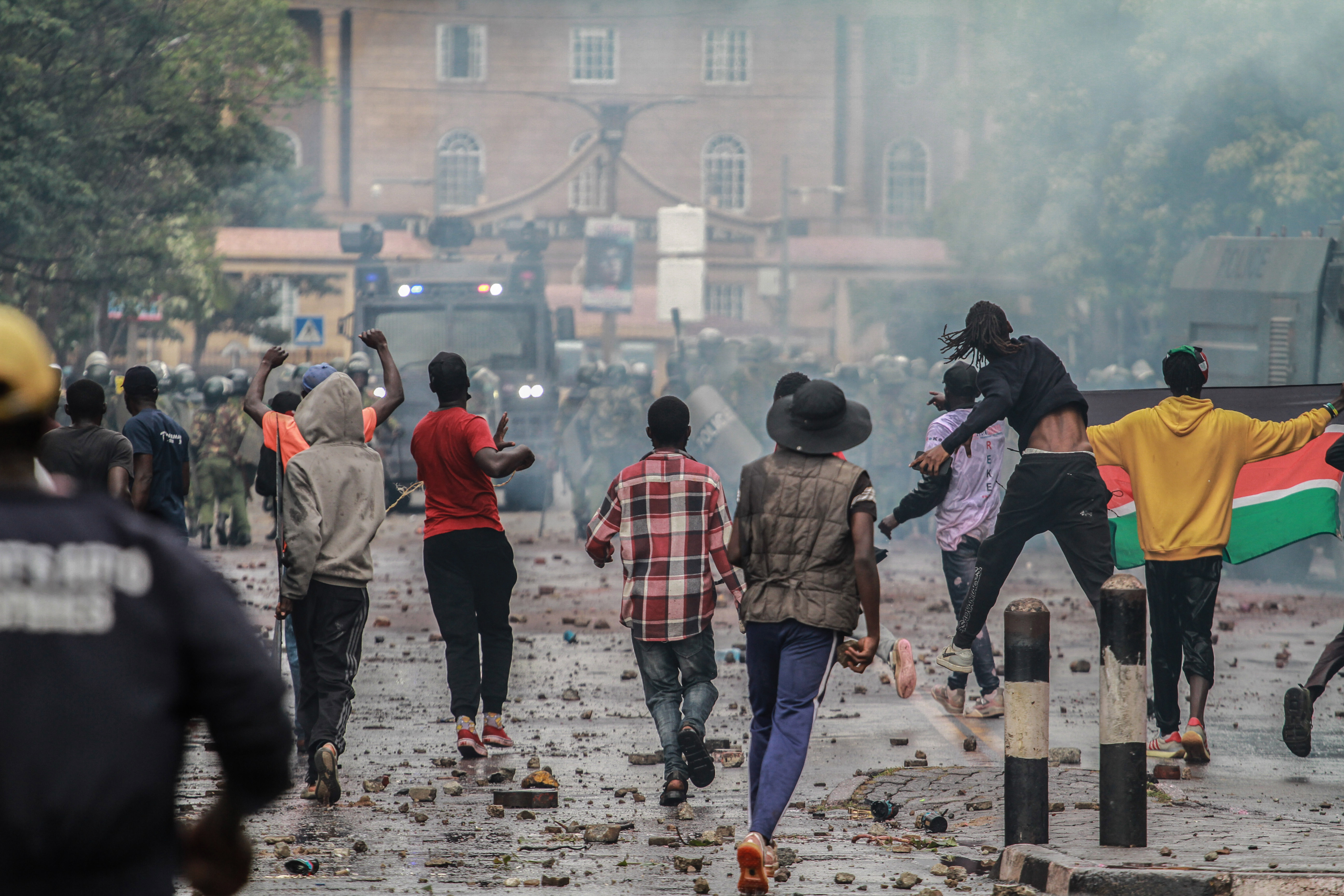
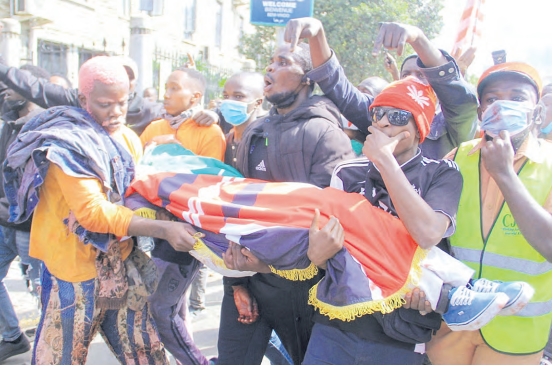
On Wednesday, April 22, more than 50 victims and families of victims of
human rights violations as well as activists gathered in Nairobi for a sobering
and necessary conversation on how Kenya should repair the damage inflicted
during the 2024-25 Gen Z protests.
The meeting focused on the Draft Guidelines
on Reparations developed by the Kenya National Commission on Human Rights. What
emerged was not just a list of recommendations, but a clear warning that if
mishandled, the reparations process risks becoming yet another state managed
exercise in optics rather than a genuine pathway to justice.
At the heart of the concern is the proposed 90-day timeline. On paper,
speed may appear commendable. In reality, it is deeply problematic. Reparations
processes are inherently complex, requiring meticulous documentation,
verification, victim engagement and most importantly, trust building.
Attempting to compress all this into three months signals not urgency but
haste.
Many at the meeting interpreted this timeline as politically
motivated ¾ an attempt to quell public
anger ahead of the June 25 commemoration of Gen Z martyrs. If that perception
takes root, the entire process risks losing legitimacy before it even begins.
Reparations are not simply administrative exercises. They are moral and
legal obligations. They must acknowledge harm, restore dignity and lay the
foundation for accountability and non-repetition. A rushed process undermines
all three.
One of the most striking outcomes of the meeting was the call for a
formal state apology. This is not a symbolic demand. In transitional justice
processes globally, official acknowledgment of wrongdoing is a critical first
step in restoring public trust.
For many victims, the absence of acknowledgment
has been as painful as the violations themselves. A clear, unreserved apology
by the President would signal a break from denial and impunity and an
acceptance of state responsibility for the excesses witnessed during the
protests.
However, apology alone is insufficient. Participants emphasised the need
for guarantees of non-repetition. This goes beyond rhetoric. It requires
concrete measures including reform of security agencies, accountability for
those who ordered or carried out abuses and institutional safeguards to prevent
future violations. Without such guarantees, reparations risk being reduced to
compensation for harm that the state is not committed to preventing in the
future.
The question of compensation itself sparked intense debate. The Draft
Guidelines appear to lack a coherent and transparent framework for determining
awards, raising concerns about inconsistency and perceived injustice.
Victims
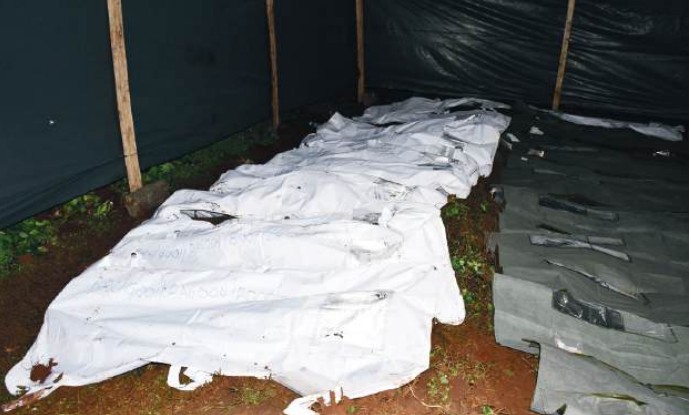
and their families proposed minimum compensation thresholds: Sh5 million for
loss of life, Sh4 million for sexual and gender-based violence, Sh5 million for
missing persons, Sh3 million for
enforced disappearances, Sh4 million for amputations and Sh250,000 for wrongful
arrests and detention. All the above figures to be exclusive of all medical
costs.
These figures are not arbitrary. They reflect an attempt to assign
value, however imperfectly, to different categories of harm. Crucially, they
also highlight a broader concern of the need for proportionality and clarity.
Why, for instance, would certain violations attract higher compensation than
the irreversible loss of life? Without a clear rationale, compensation
frameworks risk appearing arbitrary, undermining confidence in the process.
Equally important is the recognition that reparations must extend beyond
monetary payments. Victims are not simply claimants. They are individuals whose
lives have been disrupted, whose dignity has been violated and whose futures
have been altered. Psychological and psychosocial support is therefore not just
optional, it is essential. So too is public recognition. The proposal that
victims be formally commended by the state as defenders of justice and
democracy reflects a desire to reclaim narratives that have often been
distorted or ignored.
The meeting also underscored the importance of inclusivity. Strict
evidentiary requirements, particularly those centred on medical or postmortem
documentation, risk excluding victims whose cultural or religious practices
prohibit such procedures.
For example, locking out Muslims who refuse
postmortems and considering this as withholding of evidence will be foolhardy.
In a country as diverse as Kenya, a one-size-fits-all approach to evidence is
both impractical and unjust.
Expanding admissible evidence to include community
testimonies and religious records is not merely a procedural adjustment. It is
a recognition of lived realities.
Another critical issue is the categorisation of violations. Not all harms are the same and reparations
frameworks must reflect this. Participants highlighted the need to distinguish
between victims who were forcibly disappeared and later returned, and those who
remain missing.
The latter category represents an ongoing violation, marked by
uncertainty, psychological torment and unresolved grief. Treating these cases
as equivalent would fail to capture the depth of harm experienced by families
of the missing.
Perhaps most significantly, the meeting insisted that reparations must
be linked to accountability. Information gathered during the process should not
be confined to administrative records. It must serve as evidence in
investigations and prosecutions.
Reparations without accountability risk entrenching impunity, signalling that violations can be compensated but not
punished.
Finally, there was a strong call for memorialisation. The proposal to
gazette June 25 as a public holiday and to establish a national monument is
about more than remembrance.
It is about ensuring that the events of 2024-25
are not erased or rewritten. Collective memory is a powerful tool in preventing
recurrence, reminding both citizens and the state of the consequences of
unchecked power.
In conclusion, the KNCHR Draft
Guidelines present a critical opportunity. If done right, they could mark a
turning point in Kenya’s human rights journey, demonstrating that the state is
capable of confronting its past and committing to a more just future.
However,
if rushed or diluted, they risk becoming another missed opportunity - another
process that promises much but delivers little.




![[PHOTOS] The new Ngong –Naivasha Road viaduct](https://cdn.radioafrica.digital/image/2026/06/64d4f771-4432-4aee-ba3c-2f304c4436ec.jpg)








![[PHOTOS] 'Mr Speaker Sir' Gen Z protester in court](https://cdn.radioafrica.digital/image/2026/06/b3e62d8e-25c3-4780-90f9-4eb48b1ce8a7.jpg)