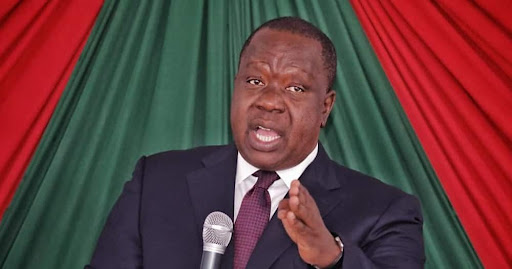
 Former NTV journalist Kennedy Muriithi along Southern Bypass, June 28, 2026. /COURTESY
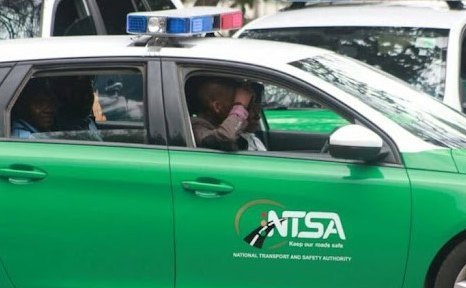
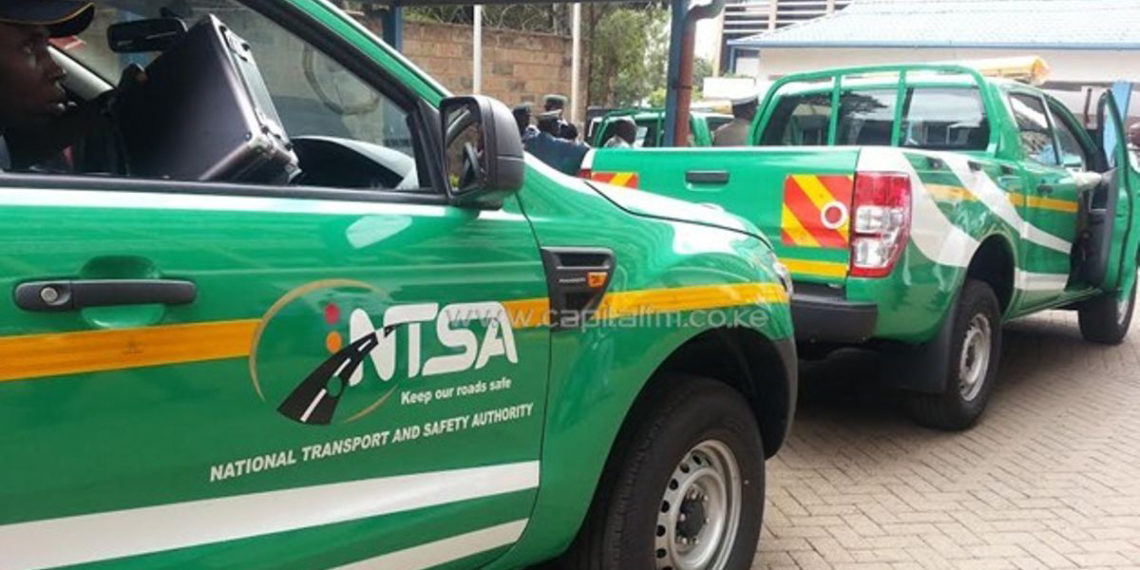
Former NTV journalist Kennedy Muriithi has urged motorists to strictly observe speed limits after he was slapped with a Sh10,000 fine under the National Transport and Safety Authority's (NTSA) instant fines system for speeding on Nairobi's Southern Bypass.
NTSA officially rolled out the technology-driven instant fines framework for minor traffic offences, including speeding, on June 1, 2026.
Under the system, motorists captured speeding by automated road surveillance cameras receive an SMS notification detailing the offence, the location where it occurred and the penalty due, which must be paid within seven days.
Although the rollout of the technology initially faced legal challenges over the expansion of enforcement cameras, NTSA has maintained that the instant fines framework remains operational across the country.
In a video shared on X, Muriithi revealed that he was caught driving at 126km/h in a section of the Southern Bypass where the speed limit is 110km/h.
He was consequently fined Sh10,000 for exceeding the limit by 16km/h.
The former journalist who now works as a political adviser to a county leadership in Central Kenya, said he decided to share his experience to educate fellow motorists and raise awareness about the consequences of ignoring speed limits.
"Wadau, iko noma mahali, na leo imenipata. (Guys, things are rough and today I got caught)," he said, admitting that he had exceeded the permitted speed limit.
He explained that the incident occurred shortly before 6am on Sunday while he was driving along the bypass.
"At around 5.50am I was driving on the Southern Bypass. In my excitement, I was driving fast when a light flashed. I knew I had been caught," he added.
Muriithi displayed an image of his vehicle that had been sent to his phone by NTSA, showing that it had been captured by a speed camera at 5.53am.
The notification also included the location of the offence, details of the traffic violation and the amount payable.
Although the SMS contained a link for digital payment, it also instructed him to settle the fine at the nearest KCB branch or authorised KCB agent.
"The Government of Kenya has today charged me Sh10,000. It's hurting," he lamented.
He used the incident to caution motorists against speeding, noting that the penalties become even more severe for greater violations.
"My people, I'm not crying foul. I might cry foul and get an additional fine, but I'm telling you, don't speed on these roads. Just imagine I have been charged Sh10,000 for exceeding the speed limit by 16km/h. What if I was doing 140, 150 or 160km/h?" he posed.
Muriithi also appealed to NTSA for leniency, promising that he had learnt his lesson and would not repeat the offence.
"Naomba msamaha, aki nisameheni. Hiyo Sh10,000 ni nyingi; ni mshahara wangu wa leo pekee," he pleaded.
He concluded by saying the video was intended to discourage other motorists from making the same mistake.
"NTSA, if this video has gotten to you, forgive me. I will not speed again. And I'm uploading this video online so those with my behaviour can learn."
The incident has reignited discussion among motorists over Kenya's automated traffic enforcement system, with many using social media to share similar experiences since the introduction of the instant fines framework.
Road safety authorities continue to maintain that the technology is intended to improve compliance with traffic laws, reduce speeding and ultimately curb road crashes, which remain one of the leading causes of deaths and serious injuries on Kenyan roads.