

Modernisation of the state-owned Rivatex textile firm in Eldoret at Sh5 billion has expanded production capacity to more than 30,000 meters of fabric daily from 5,000 meters four years ago.
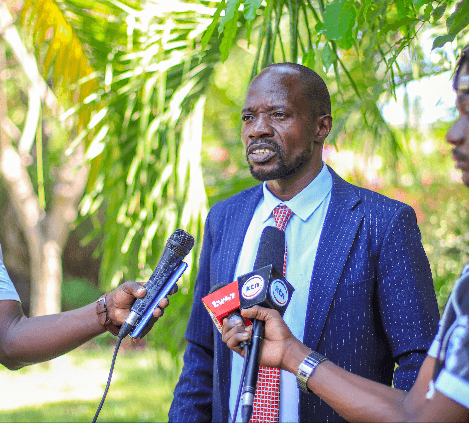
CEO Prof Thomas Kipkurgat said the company has capacity to create more than 3,000 direct jobs. It has also helped increase the number of farmers growing cotton to more than 4,000. The cotton sector had collapsed in most parts of the country.
Kipkurgat said the company had made a lot of progress and was now able to pay all its bills including salaries.
He says the company had so far completed 92 per cent of its expansion programme with few machinery required to complete the initiative and enable Rivatex to operate at full capacity.
“Now we are no longer receiving salaries from the government because we can pay all our bills from the resources we generate here,” said the CEO.
Kipkurgat said they are now able to produce uniforms for all institutions including security teams. The firm has also played a major role in producing masks for the ongoing fight against Covid-19.
“We are very happy with the support we have received from the government especially President Kenyatta himself who is leading in marketing our produce through the 'Buy Kenya Build Kenya' initiative”, said Kipkurgat.
The CEO who spoke at the firm said they were now playing a critical role in Kenya Vision 2030 and supporting the presidents Big Four Agenda as concerns expansion of manufacturing.
Last week, the Director General of Kenya Vision 2030 delivery unit Ken Muige led a team which visited the company and said it contributed more than 9.2 per cent growth to the manufacturing sector in the country.
Muige said modernization of the firm through government support has increased its production including uniforms for the military and other local institutions as part of the 'Buy Kenya Build Kenya' initiative. He called on Kenyans to fully embrace the initiative so as to support local manufacturers.
The CEO said the company was spending more than Sh200 million to pay for electricity, which is a huge increment on its operational costs.
However, he said, the company was exploring all markets available locally and internationally in order to maximize profits and general performance of the company.
The textile firm has signed agreements with counties where cotton is produced so that farmers are given necessary support to increase the production, which will in turn divert to local markets the more than Sh200 billion used annually on importing the textile raw materials.