Political bigwigs will be forced to rethink
their 2027 campaign strategies as the country confronts a troubling rise in
voter apathy among the youth, particularly the Gen Z demographic.
Analysts warn that unless parties and
aspirants redesign their messaging and engagement tactics, a large share of the
youth vote — long considered a game-changer — may slip beyond their reach.
The Independent Electoral and Boundaries
Commission has revealed when that Gen Z voters are significantly absent from the ongoing
continuous voter registration.
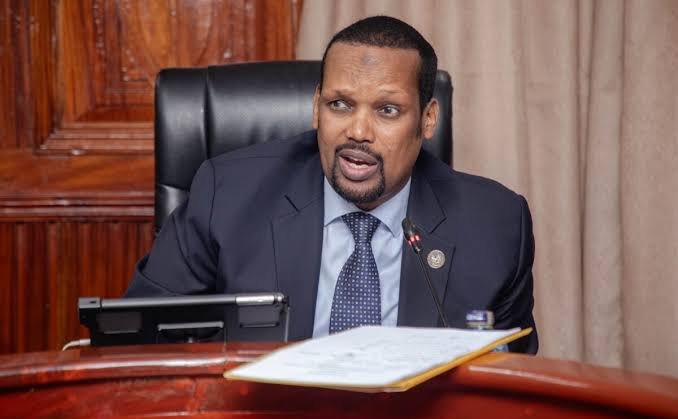
Commissioner Francis Aduol described youth
participation in the November 27 by-elections as “pathetic”.
The
IEBC is undertaking a new, data-driven approach to tackling the pervasive problem
of voter apathy. Rather than immediately launching large-scale civic education campaigns,
the commission is prioritising targeted research into 24 by-elections to diagnose the root causes of non-participation.
The key to unlocking voter turnout
lies in understanding the complex reasons why millions of Kenyans, particularly
the youth, are staying away from the ballot box.
Their absence from registration centres and
polling stations contrasts with their strong presence in public discourse and
activism.
The mismatch between their online and
street-level activism and their participation in formal electoral processes has
concerned the IEBC, political figures and parties.
IEBC commissioner Anne Nderitu said the electoral
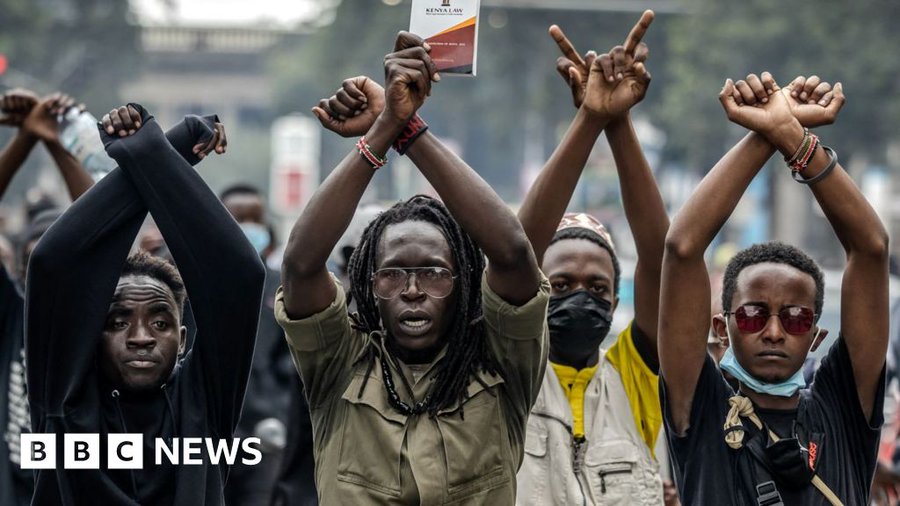
agency expected the politically vocal youth — who have been at the forefront of
recent reform campaigns and anti-government protests — to translate their
activism into voter registration and turnout.
But that coveted voting bloc has not materialised. “We expected the young people who are on the
street, talking about reforms, talking about change, will come and register so
that through their vote, they can have their voice,” Nderitu said.
She underscored that their demographic's
strength gives them enormous democratic power.
“The vote is what can change your country,”
she said. “You can do everything else, but your vote is your voice. It’s your
weapon.”
According to IEBC data, 57 per cent of all eligible
voters are under the age of 35. “Meaning, if these young people come and
register — all of them — they have their voice,” Nderitu said. “They can say
the type of leaders they want to govern the country.”
Commissioner Aduol said, “Very few young
people came out to vote. A large number of those who voted were older citizens,
and in Mbeere North, where I was, most were elderly women.”
IEBC vice chairperson Fahima Araphat issued a
plea: “Kindly, young people, let us come out and register and let us
prepare to vote come 2027.”
Political observers warn that top contenders
who have been relying on the youth vote may well have to entirely rethink their
strategies.
“The Gen Z vote is still elusive largely
because so many of them are not registered voters, and they don't seem keen on
registering because nobody is connecting with them emotionally,” political
analyst Martin Andati said.
He said leading political formations are
failing to resonate with young people. “Anybody relying on them at this point will be
messed up big time!”
Andati also cited a pattern whereby youths are used as political goons or
enticed with handouts, which keeps them politically engaged only at superficial
levels, while discouraging them from turning up to vote.
“The youth need a lot of civic education so they
know the value and importance of registering and turning up to vote,” he said.
Political commentator Charles Munyui attributed
the disengagement to the failure of political players to articulate issues that
matter to Gen Z.
“The campaigns never revolved around issues
consistently raised by Gen Z, such as university funding, jobs, meritocracy,
anti-corruption and fairness,” he said.
Munyui also said political parties sidelined
the youth from the start by failing to conduct credible party primaries, which
prevented Gen Z from fielding or supporting candidates who speak to their
interests.
Even so, he said many young people doubt
whether filling of elective posts through the current system would
significantly change their circumstances.
He said structural barriers also discouraged
participation during the by-elections.
“Most Gen Z are college students and likely
registered at home,” he said. “It is unfair to expect a Gen Z who is living
hand-to-mouth to pay Sh200 to travel to the constituency headquarters to
register as a voter, but there will be an opportunity to do so when mass
registration is undertaken and IEBC teams are available in are
Political aspirants eyeing State House
have intensified efforts to court the youth, aware that the Gen Z demographic
could shift the political balance in 2027.
The youth, who played a major role in recent
anti-government demonstrations, have become the most coveted group for hopefuls
seeking to challenge President William Ruto.
About 40 per cent of Kenya’s 22.1 million
registered voters are currently under age 35.This number is expected to surge
as more young people reach voting age.
The 2019 Kenya Population Census revealed that
five million additional youths will be eligible to vote by 2027 — an estimated
2.4 million currently aged 13-14 and around two million who were under 18 in
2022.
This cohort represents a massive pool of
potential voters, yet IEBC’s continuous voter registration figures show
alarmingly low uptake.
As of December 5, the commission had
registered only 148,315 new voters — far below expectations.
IEBC chairman Erastus Ethekon said the commission aims to add 6.8 million new voters before the 2027 General Election,
thereby expanding the voter base beyond its current 22.1 million.
“Our projection is based on records from the
National Registration Bureau,” he said. “We anticipate registering all Kenyans
who will have attained voting age by the time of the exercise.”
The commission has allocated Sh8 billion out
of its Sh57.3 billion election budget to support voter registration.
According to census data, about eight million
more young people will have entered the voting age bracket by 2027,
making them the single biggest electoral prize for any presidential aspirant.
Analysts say the gap between Gen Z activism
and participation in elections reflects deeper frustrations.
Many young say political elites do not take
youth issues seriously and that elections rarely translate into meaningful
change.
Additionally, the cost-of-living crisis,
rampant unemployment, corruption scandals and distrust in public institutions
have dampened their enthusiasm for voting.
Political parties, critics say, often
prioritise loyalty, ethnicity, and patronage over merit, leaving the youth
disenchanted as they clearly see that their concerns are overlooked.
Without genuine reforms — such as transparent
primaries, issue-based messaging, and credible commitments to youth empowerment
— the political class is likely to struggle to mobilise Gen Z.
With fewer than two years to the next general
election, the IEBC and political actors face a narrowing window to reverse the
tide of youth apathy.
If Gen Z turnout remains low, it could
dramatically reshape the electoral map, empowering older voting blocs that
traditionally demonstrate high turnout.
But if the youth decide to register and vote
en masse, they could determine the presidency, majorities in Parliament and
leadership in counties.
For now, the ball remains in Gen Z’s court — and
the clock is ticking.

 Independent Electoral and Boundaries Commission/FILE