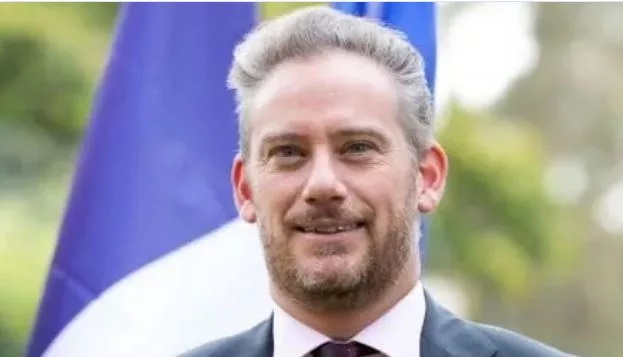
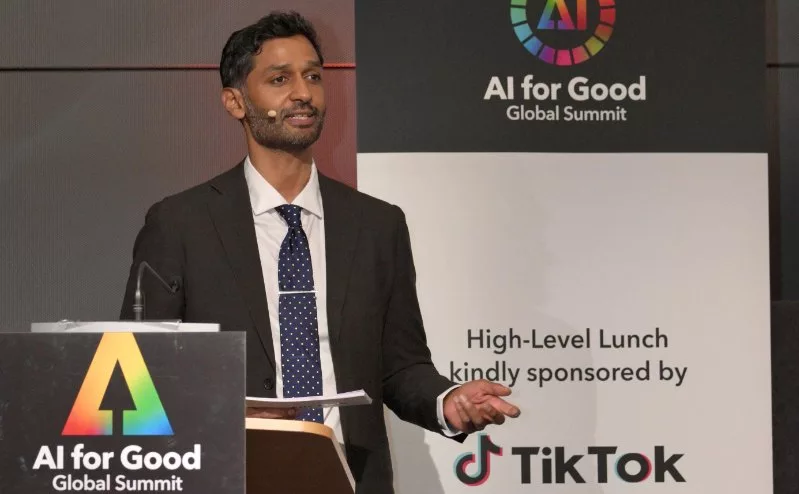
 Tom Varghese, AI Lead for TikTok’s Global Public Policy team/HANDOUT
TikTok has unveiled a series of initiatives aimed at improving artificial intelligence (AI) literacy, strengthening transparency around AI-generated content and protecting users from AI-generated spam across Sub-Saharan Africa.
The company said the initiatives are part of its continued investment in tools, partnerships and safeguards designed to help its community better understand AI and navigate the rapidly evolving digital landscape.
"We believe people should have context, confidence and control over their experiences with AI on TikTok.
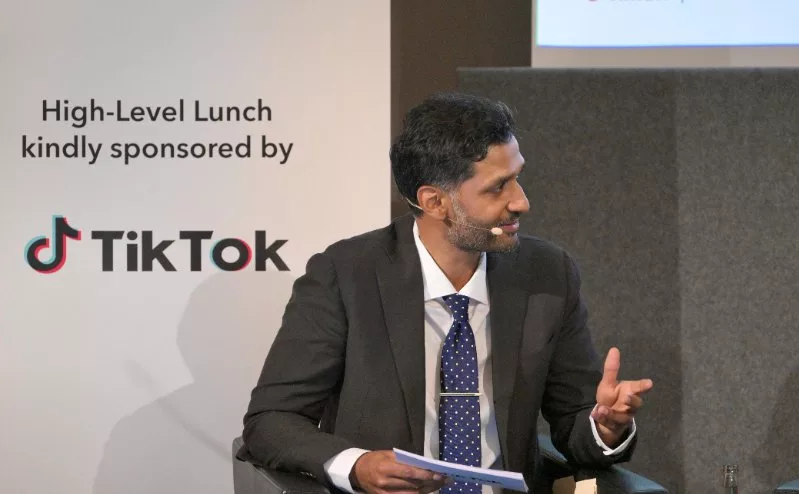 Tom Varghese, AI Lead for TikTok’s Global Public Policy team/HANDOUT
We continue to invest in technologies, partnerships and educational resources that help people spot AI-generated content, understand how it's created, and use these tools creatively and responsibly," said Tom Varghese, AI Lead for TikTok's Global Public Policy team.
As part of its efforts to protect authentic creativity, TikTok said it is testing enhanced detection systems to identify accounts dedicated to posting AI-generated spam.
The company noted that while AI is creating new opportunities for storytelling and creativity, the technology can also be misused to mass-produce spam, undermining trust and crowding out original creators.
TikTok said the new measures build on its existing spam detection systems. In the first quarter of 2026 alone, the platform removed more than 86 million fake accounts globally as it continued strengthening its detection capabilities.
The platform also announced a milestone in its transparency efforts, revealing that more than three billion videos have been labelled as AI-generated using a combination of Content Credentials, creator disclosure tools and invisible watermarking technology.
TikTok said it has also joined the Coalition for Content Provenance and Authenticity (C2PA) Steering Committee, where it will work with industry partners to help shape standards for content authenticity and transparency around AI-generated material.
The company is also expanding its AI literacy programmes across Africa through partnerships with organisations working on digital education.
A new in-app AI literacy hub will be rolled out to users in Kenya, Nigeria and South Africa, providing educational resources to help people recognise AI-generated content and understand how AI tools are used on the platform.
TikTok said it has committed more than US$4 million to its AI Literacy Fund since launching the initiative in November 2025.
The platform has partnered with organisations including Eveminet and Mtoto News in Kenya, Moxi Africa in South Africa, and the Centre for Journalism Innovation and Development, Africa Check and Paradigm Initiative in Nigeria to produce locally relevant AI literacy content.
According to TikTok, the partnerships have generated more than 200 million views, reflecting growing demand for trusted AI education.
The platform also highlighted how creators across Kenya, Nigeria and South Africa are using AI to educate, entertain and inspire audiences through innovative content.
TikTok said it will continue investing in AI tools such as Smart Split and AI Outline, alongside features like Manage Topics, to give users greater control over the AI-generated content they see while supporting responsible and creative use of the technology.