Kenya’s economy grew by 5.3 per cent in the first quarter of 2026, up from 4.9 per cent during the same period in 2025, the latest data from the Kenya National Bureau of Statistics shows.
The growth came despite inflation rising from 3.45 per cent in the first quarter of 2025 to 4.35 per cent in the first quarter of 2026, driven by higher prices of food and non-alcoholic beverages.
The expansion was largely supported by lower interest rates that stimulated credit uptake, alongside strong growth in the hospitality, agriculture, manufacturing and construction sectors.
Data contained in the Quarterly Gross Domestic Product Report shows the first-quarter performance was the strongest since 2023, when the economy expanded by 5.4 per cent.
Economic growth had reached 5.9 per cent in the first quarter of 2022 before easing to 5.4 per cent in 2023 and 4.9 per cent in 2025.
During the quarter ending March 31, accommodation and food services emerged as the fastest-growing sector, expanding by 14.7 per cent, reflecting continued growth in tourism.
Although growth in agriculture slowed slightly to 4.9 per cent from 5.3 per cent in the first quarter of 2025, the sector remained resilient and continued to play a stabilising role in the overall economy.
Manufacturing growth accelerated to 4.4 per cent from 2.8 per cent in the first quarter of 2025, while the construction sector expanded by 6.6 per cent compared to 4.5 per cent during the same period last year.
Growth in the transport sector remained unchanged at 3.6 per cent.
Meanwhile, growth in the ICT sector eased marginally to 5.0 per cent from 5.5 per cent in the first quarter of 2025.
The financial and insurance sector expanded by 6.3 per cent, largely supported by increased access to credit and lower borrowing costs.
The Central Bank Rate (CBR), the benchmark lending rate set by the Monetary Policy Committee (MPC), stood at 8.75 per cent during the first quarter of 2026.
The committee reduced the rate from 9 per cent to 8.75 per cent at its February 10, 2026 meeting and maintained it through subsequent meetings in March and April.
Diaspora remittances rose to Sh168.9 billion from Sh161 billion during the same period in 2025.
However, the higher inflows were not enough to offset external trade pressures, with the current account deficit widening from Sh70 billion in the first quarter of 2025 to Sh120.9 billion in the first quarter of 2026.
At the same time, proceeds from the issuance of two Eurobonds worth $2.25 billion (Sh290.7 billion) in February 2026 more than doubled net financial inflows to Sh243.5 billion from Sh108.4 billion in the corresponding quarter of 2025.
Imports increased by 4.5 per cent to Sh737.8 billion from Sh706.189 billion, while exports declined by 6.2 per cent to Sh385.6 billion from Sh411.2 billion in the first quarter of 2025.
The first-quarter figures point to an economy that gathered momentum on the back of lower borrowing costs and strong performance in key productive sectors, even as weakening exports and a wider current account deficit highlight persistent vulnerabilities in the external sector.

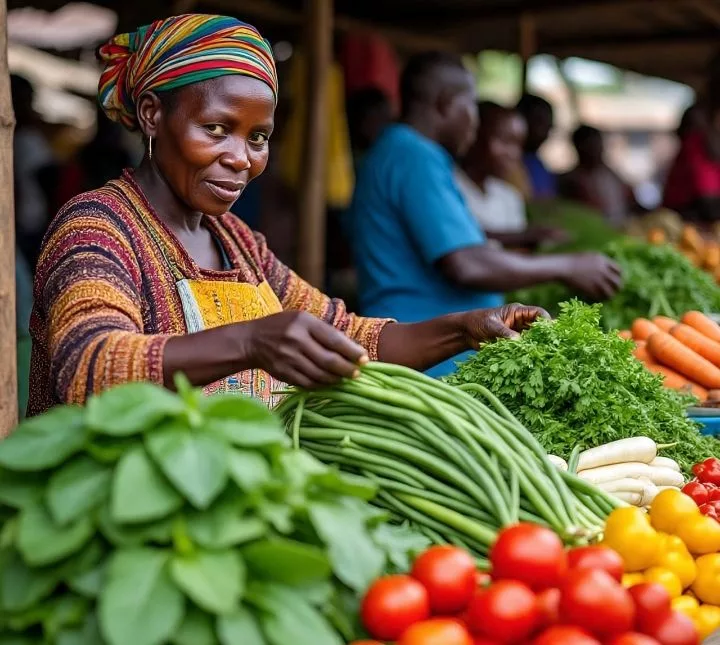 Economy grew in Q1 2026 despite inflation rising from 3.45 per cent in the first quarter of 2025 to 4.35 per cent driven by higher prices of food and non-alcoholic beverages. /AI ILLUSTRATION