
The 2027 election may hinge
less on political promises and more on whether Gen Z show up at the polls.
Despite dominating online debates
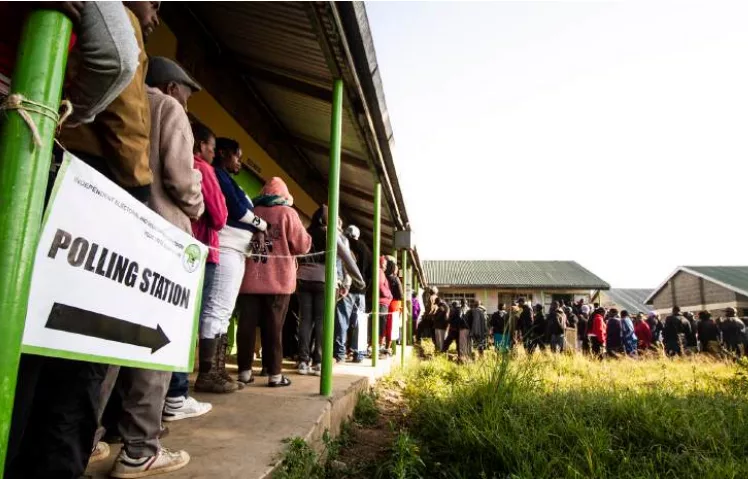
and leading street protests, young voters are largely absent from continuous voter registration and the recent by-elections, raising alarm for
parties counting on their demographic clout.
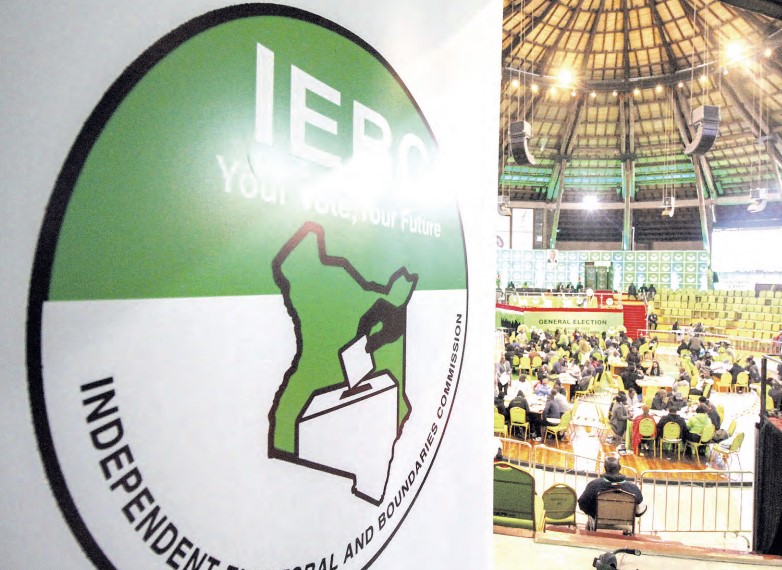
The Independent Electoral and
Boundaries Commission warns that unless political aspirants reimagine
how they engage the youth, a crucial share of the electorate could slip away.
Gen Z – who make up nearly 40 per cent
of registered voters and are expected to swell by five million by 2027 – remain
disenchanted, citing unaddressed issues like jobs, education, corruption and
fairness.
Commissioners Anne Nderitu and Francis Aduol described youth turnout as “pathetic”, highlighting a gap between activism and formal participation.
Analysts blame political neglect: candidates
rely on handouts, patronage and superficial engagement rather than addressing
real grievances or enabling meaningful representation.
With the cost of living,
unemployment and distrust in institutions feeding disengagement, the IEBC
estimates it must register 6.8 million new voters to match the growing youth
cohort.
Political observers warn that 2027
could be decided not in rallies or tweets, but by whether young people, tired
of broken promises, seize their democratic power—or continue to let older, more
reliable voting blocs call the shots.
The clock is ticking. If the youth
mobilise, they could reshape the presidency, Parliament and county leadership.
If they stay away, the status quo prevails.
For Kenya’s aspirants, the challenge
is clear: connect authentically with the next generation—or risk losing the
most consequential vote in a generation.
Quote of the Day: “Not only strike while the iron is hot, but make it hot by striking.” —Parliamentarian General Oliver Cromwell was appointed as Lord Protector of England, Scotland and Ireland on December 16, 1653.