Kenya stands at a pivotal moment in its history. For the first time since Independence, the country has articulated a clear and deliberate shift from political freedom to economic sovereignty. The ambition to transform Africa’s sixth-largest economy into a first-world nation within a generation is not only bold—it is necessary.
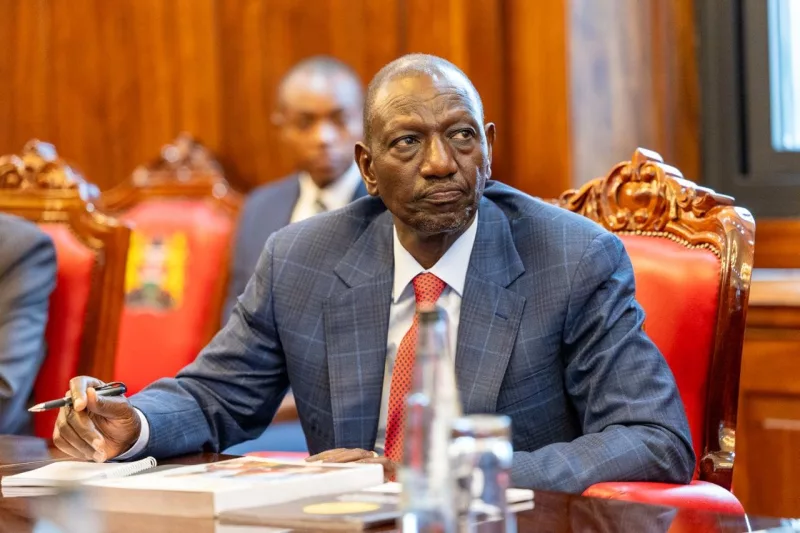
President William Ruto’s Sh5 trillion economic roadmap should therefore be read less as a government programme and more as a national call to action. By drawing lessons from the Asian Tigers, the administration has placed a strategic bet on four pillars—people, agriculture, energy and infrastructure—as the engines of transformation.
History is unambiguous on this point: nations that escape the middle-income trap do so by investing heavily in their citizens and the productive foundations of the economy. Kenya cannot be the exception.
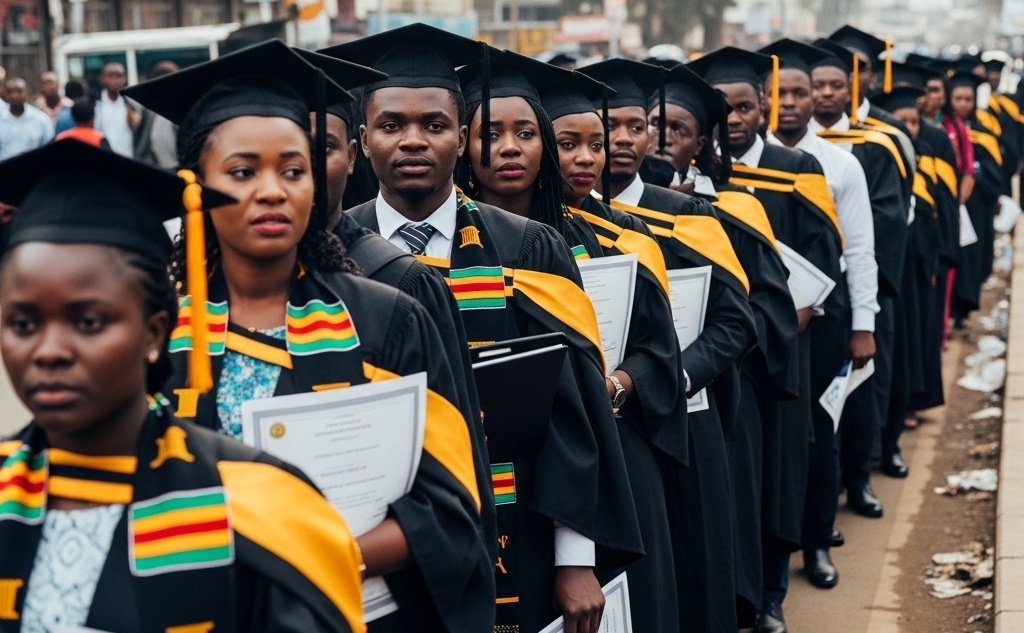
The starting point is human capital. Raising the education budget from Sh490 billion to over Sh700 billion, establishing a State Department for Science, Research and Innovation, and targeting research funding at two per cent of GDP are not bureaucratic gestures. They are an acknowledgement that no country becomes prosperous without scientists, engineers and innovators at scale. If Kenya is serious about competing globally, sustained investment in skills must be treated as a national security priority, not a discretionary expense.
Agriculture offers the clearest and fastest path to shared prosperity. Kenya’s Sh500 billion annual food import bill is not merely an economic inefficiency—it is a strategic vulnerability. The proposed irrigation programme, anchored on 50 mega-dams, 200 medium and small dams and over 1,000 micro-dams, has the potential to bring 2.5 million acres under irrigation within seven years. This is how nations stabilise food prices, raise rural incomes and supply raw materials for industry. Failure here would not be a technical mistake; it would be a political one.
Energy and transport complete the productivity equation. The plan to add 10,000 megawatts of power from geothermal, hydro, solar, wind, and nuclear sources is essential if Kenya is to industrialise, digitise and attract serious manufacturing investment.
Equally, dualling highways, expanding the road network, extending the Standard Gauge Railway to Uganda and modernising ports and airports are not luxuries. They are the basic infrastructure of competitiveness. A country cannot export efficiently, industrialise sustainably or integrate regionally while moving goods on broken roads and congested corridors.
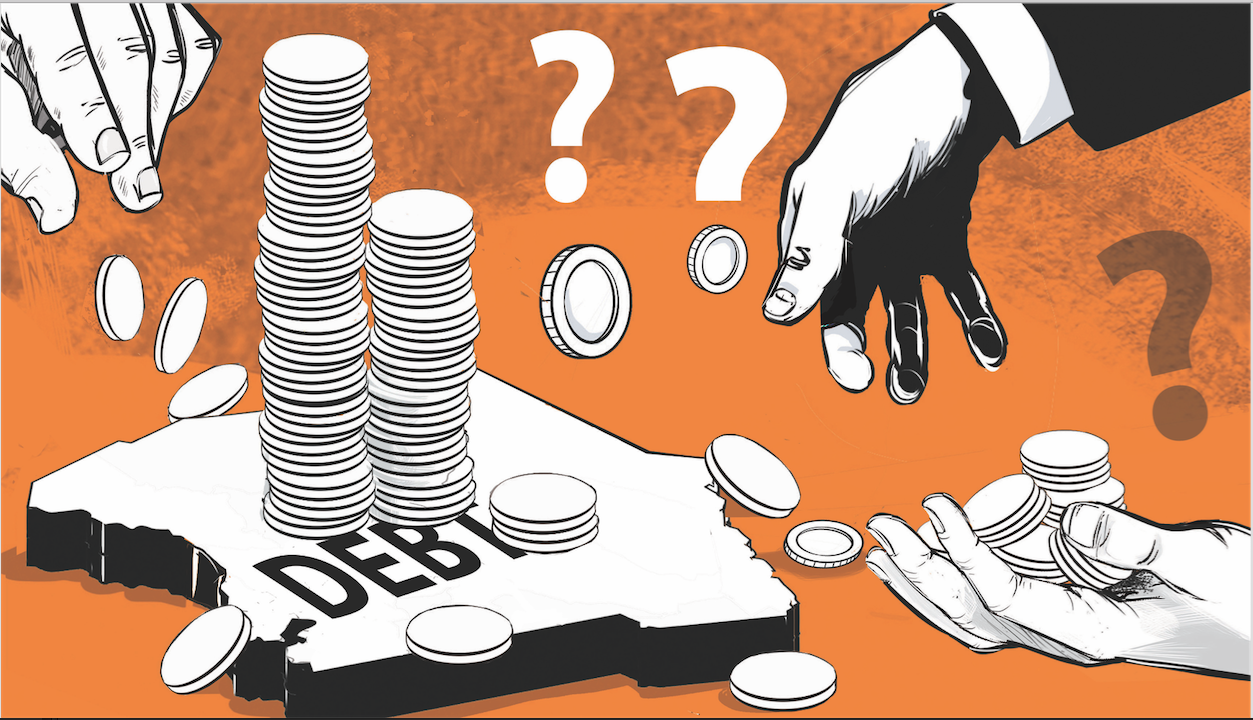
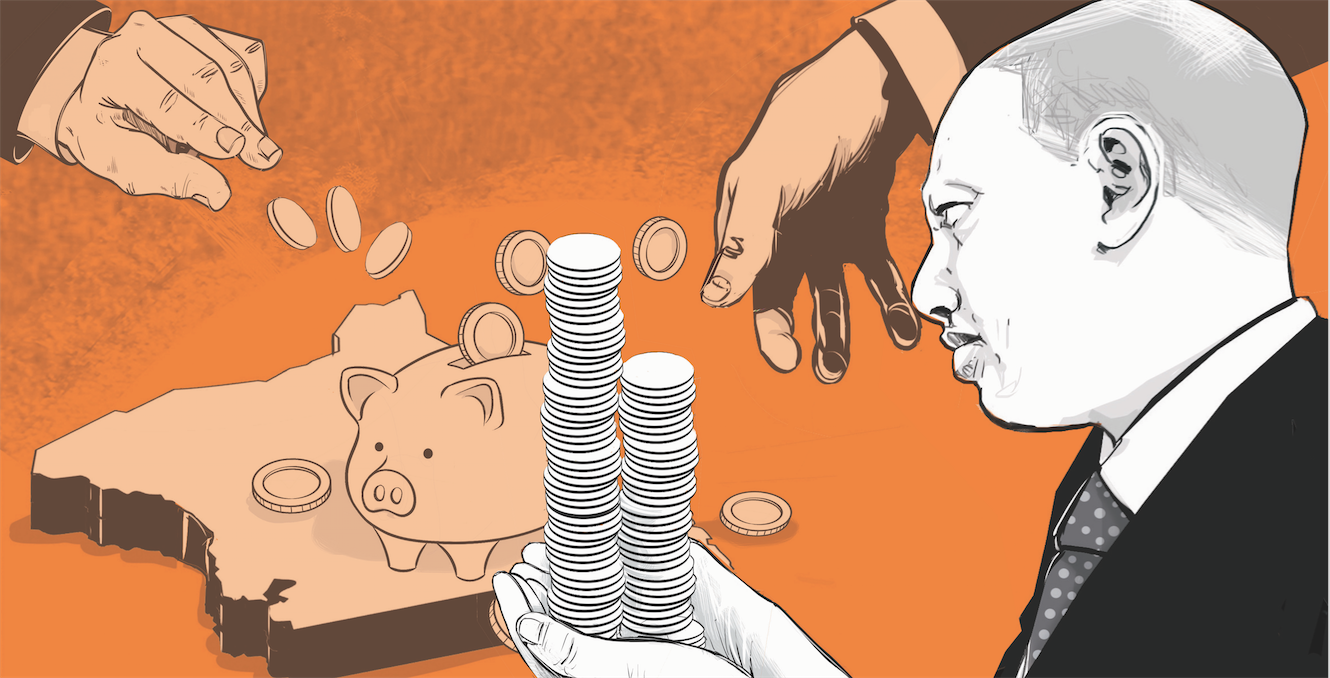
Critically, this transformation is based on a new financing approach. The National Infrastructure Fund and the Sovereign Wealth Fund are major efforts to reduce Kenya’s historic reliance on debt. By setting aside income from mature public assets and attracting private long-term investment, the government indicates that development can be financed wisely and sustainably. When managed properly, these tools can rebuild fiscal trust and safeguard future generations from the costs of today’s goals.
Sceptics will point, rightly, to risks: corruption, weak implementation, political interference, and reform fatigue. These concerns should not be dismissed. But they should also not become excuses for national paralysis. The greater danger lies in inaction, policy drift, and the quiet acceptance of underperformance.
Yes, the transition will involve short-term pain. Fiscal discipline, economic restructuring and productivity-driven growth are rarely painless. However, the alternative—continued dependence, unemployment and vulnerability to external shocks—is far costlier. The choice before Kenya is not between reform and comfort; it is between reform and decline.
President Ruto has framed this moment as a choice between comfortable mediocrity and ambition over fear. He is right. The real test, however, is collective. Can Kenya sustain a long-term vision across electoral cycles? Can it demand accountability while supporting reform? Can it prioritise national interest over political convenience?
If the answer is yes, Kenya will not only transform itself. It will prove that a democratic African state can plan boldly, execute patiently and rise deliberately. This moment must not be squandered. The path is difficult, but the destination is worth it.
Strategic advisor and expert in leadership and governance