

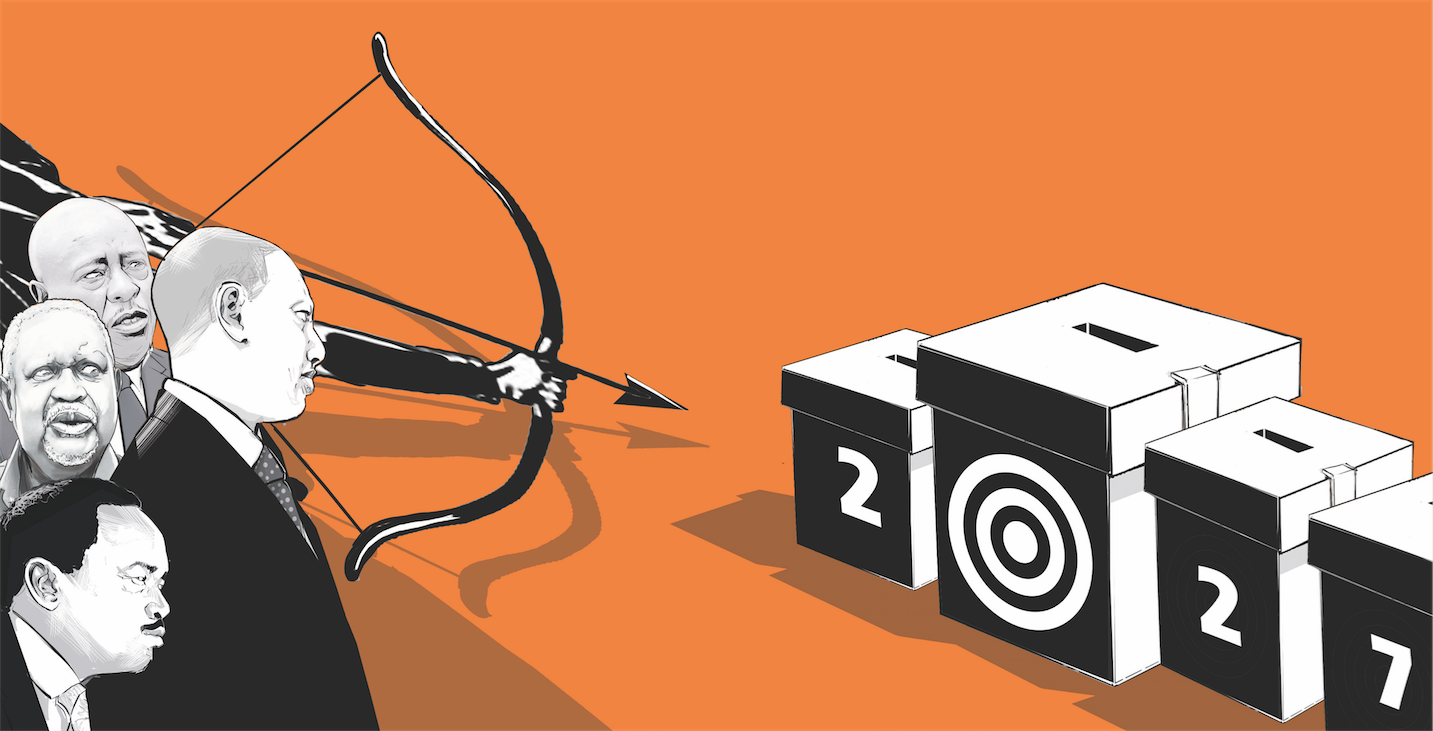
The November 27, 2025, by-elections did not merely fill vacant seats — they sent a seismic political signal that has shaken Kenya’s power centres. Beneath the headlines, new alliances are forming, old loyalties are bending and the battlefield for 2027 is already being drawn. This was no routine contest. It was the first open skirmish in a political war quietly escalating behind the scenes.
President William Ruto has framed the results as a reaffirmation of the broad-based government, portraying stability and unity. The political masterstroke, however, came from ODM. Senator Oburu Odinga’s declaration of a “clean sweep” was not a mere celebration — it was a signal of strength and leverage. ODM is asserting that in 2027, it expects a substantive role, whether on the presidential or deputy presidential ticket, negotiating from a position of undeniable power.
Its leverage is anchored in disciplined turnout across regional strongholds, particularly Luo Nyanza, even as national participation collapsed below 30 per cent, dipping to 18–22 per cent in some constituencies.
While voter apathy was spread across, ODM’s organised bases ensured engagement, demonstrating rare political reliability even in the absence of its founder, Raila Odinga, in an otherwise volatile environment. This early positioning reflects a keen understanding of coalition arithmetic: ODM will demand real political equity rather than symbolic gestures.
Rigathi Gachagua has attempted to turn the Mbeere North loss into a strategic opening, emphasising three ward wins for his Democracy for the Citizens Party, disowning the DP candidate, and presenting himself as a coalition tactician using a shareholder politics model — one focused on interests, ethnicity and strategic negotiation.
The DCP’s victories in the ward by-elections could signal openness to party alternatives, maybe not. In a city like Nairobi, marked by low turnout and waning ethnic loyalties, this insurgent force illustrates the rising influence of urban voters in shaping national politics.
While Gachagua’s shareholder model emphasises negotiation among coalition stakeholders, it raises questions about grassroots engagement, long-term sustainability and whether ethnic coalition politics can genuinely translate into citizen-centred governance.
Yet the loudest message came from voters themselves — through silence. Turnout nationwide was catastrophic, dipping below 30 per cent, with some areas recording 18–22 per cent. This was more than apathy; it was protest: frustration over economic hardship, elite-driven politics and elections increasingly perceived as ceremonial rather than transformative.
The by-elections also exposed an escalating volatility across various regions. From violent confrontations at polling stations to the intimidation of voters, disruption of tallying centres and clashes between rival groups, the by-election was marked by chaos that the IEBC failed to anticipate, prevent or manage. These incidents revealed an electoral atmosphere charged with mistrust, where citizens and political actors alike questioned the commission’s capacity and credibility.
The IEBC now faces a legitimacy challenge: if trust is not rebuilt, the 2027 election could erupt into a full-scale crisis.
The by-elections were the opening skirmish in a long political war. The broad-based government enters 2027 with strength but internal tension, as ODM presses for equitable representation. The united opposition is reorganising under a Gachagua–Kalonzo axis, with DCP emerging as Nairobi’s insurgent force.
Kariobangi North is a stark reminder that political energy in urban constituencies is combustible. Young, active voters are increasingly acting as agents of disruption. The real question is no longer who won the by-elections — it is who understood the voters’ warning and who can navigate Kenya’s volatility while turning political unrest into a strategic advantage.
Kenya’s 2027 political landscape is taking shape not in parliaments or party offices, but in the streets, churches and urban neighbourhoods where citizens have begun sending unmistakable signals: the old ways of politics are no longer enough. The by-elections have fired the first shot — and every player must now decide whether to respond with vision, strategy or reactionary panic.
Strategic advisor and expert in leadership and governance.