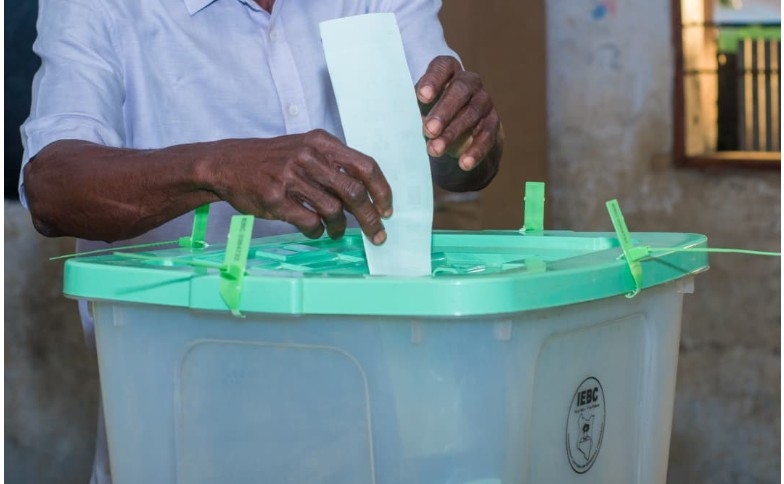


The outcome of the just‑concluded by‑elections
in Western Kenya is expected to significantly shift both local and national
political calculations.
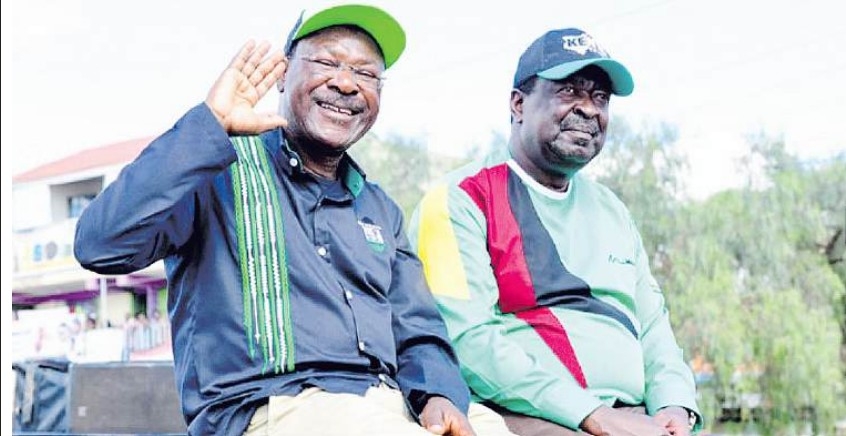
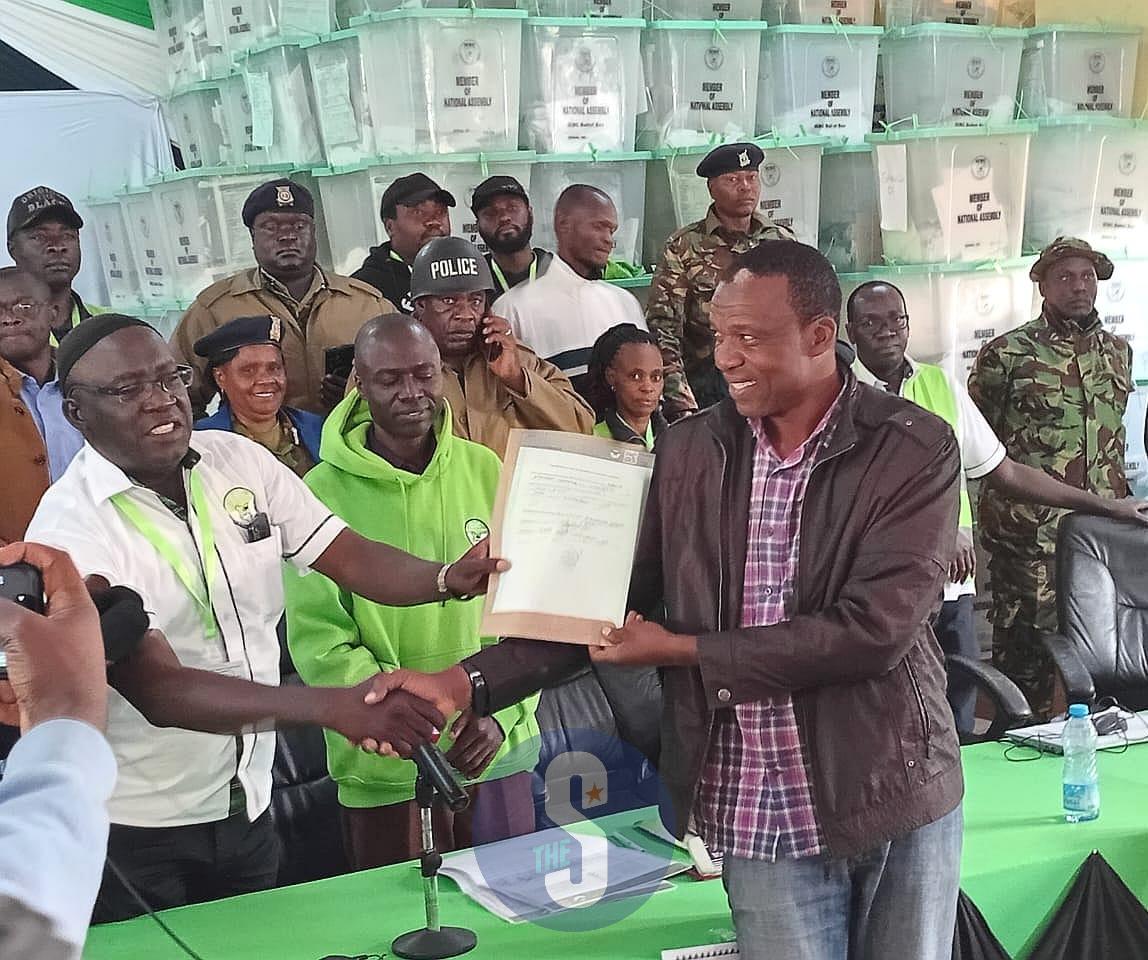
The ruling UDA’s victory in the hotly contested Malava parliamentary race, coupled with National Assembly Speaker Moses Wetang’ula’s Ford Kenya losing the Kabuchai/Chwele ward, has rattled the opposition and strengthened President William Ruto’s foothold in the region.
The entry of the Democratic Congress Party (DCP) in Kakamega further complicates the political landscape.
Analysts say the results amount to a partial approval rating for Ruto, whose allies framed the campaigns as a test of strength between the broad‑based government and the united opposition.
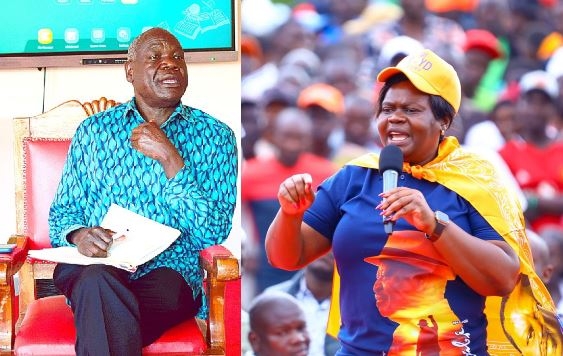
The outcome deals a blow to the United Opposition led by DAP‑K leader Eugene Wamalwa and his deputy George Natembeya, who have been planning to challenge Prime Cabinet Secretary Musalia Mudavadi and Wetang’ula for Western’s political leadership.
Independent management consultant Musa Chibole said the results come at a time when Ruto has eased public concerns on the rising cost of living and kidnappings that had dented his image.
“If he focuses on service delivery, he will run away with the region in 2027,” Chibole said, adding that Mudavadi may quietly welcome the divisions among Western leaders so long as they do not undermine Ruto’s re‑election chances.
“Natembeya’s team may win a few seats, but ultimately they will still work with Ruto because they know they’re not going far,” he added.
Mudavadi said UDA’s victory in Malava reflects growing confidence in the Kenya Kwanza administration and offers an early glimpse into the 2027 political mood.
“It’s a reminder that the loudest voices don’t always carry the day. Real strength lies with the silent majority who shape the future at the ballot,” he said.
Kakamega Deputy Governor Ayub Savula said the results signal that the Luhya community is positioning itself to be part of government in the post‑Raila Odinga era starting 2027.
“It means UDA will deliver in Western in the next general election,” he said.
Savula, however, argued that the Kabuchai/Chwele ward outcome cannot be used to assess Wetang’ula’s strength, saying the winning independent candidate, Eric Wekesa, enjoyed strong grassroots support irrespective of party affiliation.
Kakamega County Inter‑Religious Council chairman Bishop Nicholas Olumasai said the results confirm that Luhya unity remains elusive and that UDA is currently more organised than the opposition in the region.
“The government’s outcome slowed Natembeya’s Tawe’ movement, which anchors the opposition in Western. A win in Malava, Kabuchai/Chwele or Kisa East would have given him traction,” he said.
He added that since Raila’s exit from frontline politics, the opposition lacks a common agenda capable of rallying the public.
Kakamega Governor Fernandes Barasa said UDA’s gains, combined with ODM victories, show the rising influence of the broad‑based government. He urged Western leaders to build on their unity in Malava and prioritise development.
Natembeya, however, said the by‑elections provided a necessary preview of 2027.
“Senator Boni Khalwale, Cleophas Malala and I have given the government a run for their money. Come 2027, Western will not be available for such games. We will teach the government a lesson it will never forget,” he said.