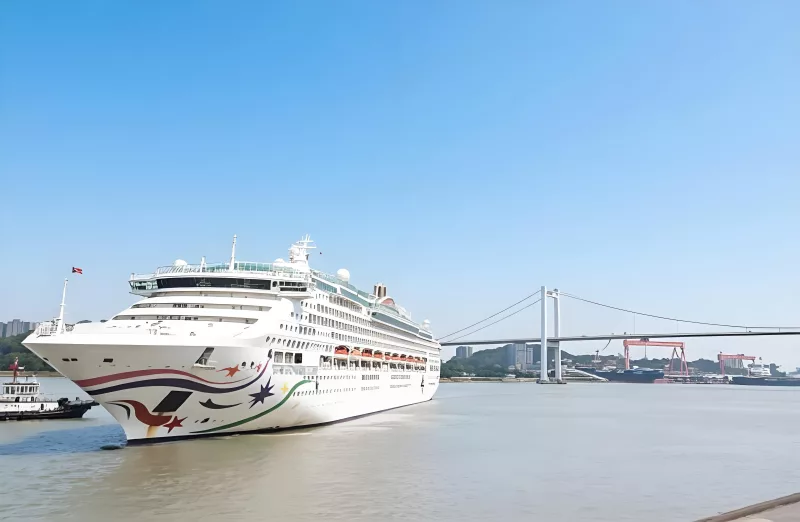
 A ship cruise with 2,000 Pic 1A cruise ship carrying nearly 2,000 passengers arrives in Xiamen.
China’s growing cruise tourism market offers Kenya a glimpse of how Mombasa could turn international cruise arrivals into a bigger source of visitors, jobs and coastal business.
The arrival of an international cruise ship carrying nearly 2,000 passengers in Xiamen has opened the city’s summer tourism season. It highlighted how cross-border sea travel has grown popular, netting with it immense economic opportunities.
The cruise ship Piano Land recently docked at Xiamen International Cruise Terminal after sailing from Hong Kong, becoming the first international port-of-call cruise vessel to visit the southeastern Chinese city in the second half of the year.
The arrival marked the beginning of Xiamen’s summer cruise tourism season.
It is a period when demand for travel rises as families take advantage of school holidays.
For Kenya, the development offers an interesting comparison with Mombasa, the country’s main cruise tourism gateway.
Like Xiamen, Mombasa combines a major seaport with a rich tourism offering.
The Kenyan coastal city has beaches, the historic Old Town, Fort Jesus, marine attractions and access to wildlife destinations.
This gives cruise passengers a wide range of experiences within a relatively short distance.
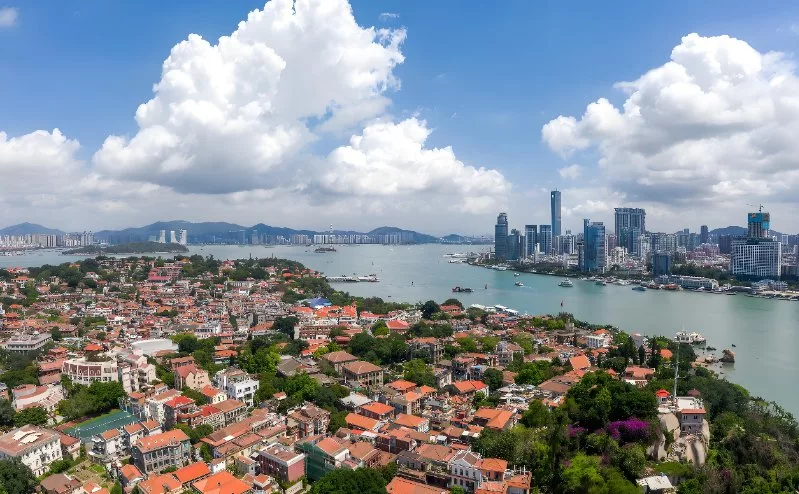
In Xiamen, passengers arriving on Piano Land were able to explore attractions including Gulangyu Island, Zhongshan Road Pedestrian Street and Xiamen Botanical Garden.
The Chinese city is commonly described as the 'Garden on the Sea', with its coastal scenery forming part of the attraction for international visitors.
The experience of Indonesian traveller Rani illustrates the appeal of cruise tourism to families.
She travelled to Xiamen with a large family group of 31 people, that is, 15 adults and 16 children, during the summer holiday.
“Taking advantage of the summer holiday, our entire family chose to travel to Xiamen by cruise,” Rani said.
She said the ship offered a wide variety of dining options and recreational facilities, while the opportunity to disembark and experience another city added to the attraction.
“Everyone is really looking forward to it,” she said.
The Xiamen model is built around short stays.
The cruise operator plans three short-haul round trips between Hong Kong and Xiamen during the summer season.
Passengers are allowed to choose between organised guided tours and independent itineraries.
The ship remains in Xiamen for about 12 hours before returning to Hong Kong with its passengers.
The short stay means the city has to make it easy for thousands of visitors to move from the ship to attractions and back again within a limited period.
This is where Xiamen has invested in efficient passenger processing.
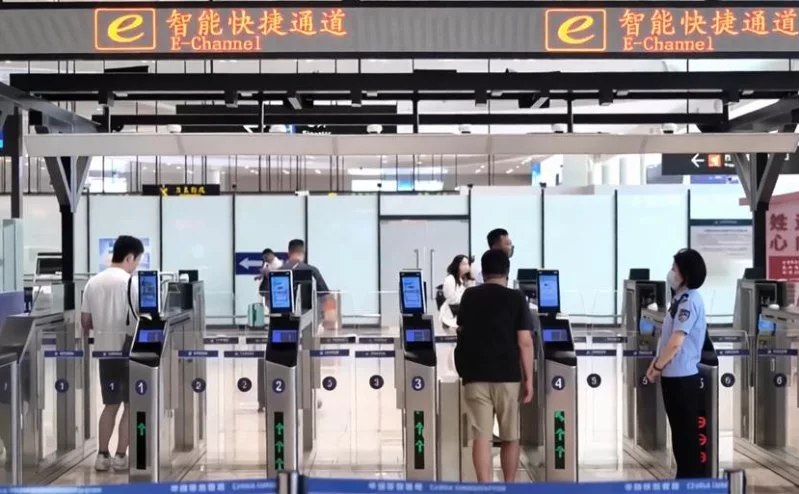
The Gaoqi Border Inspection Station, under the Xiamen General Border Inspection Station, has introduced a customised 'one ship, one policy' service model to handle the concentrated arrival of cruise passengers.
The authorities have also streamlined immigration inspection procedures and introduced an intelligent identity verification system.
The result is faster clearance, allowing passengers to disembark immediately after the vessel arrives.
For Kenya, the lesson goes beyond attracting cruise ships to Mombasa.
The experience shows the importance of making it easy for passengers to leave the port, visit attractions, spend money locally and return to their vessels on time.
Xiamen’s cruise business has already shown signs of recovery.
During the first half of the year, the homeported cruise ship Adora Mediterranea completed four voyages from Xiamen, while Piano Land made eight port calls.
The two vessels have strengthened Xiamen’s position as a regional cruise homeport, while growing demand for summer cultural and tourism experiences is expected to provide further momentum.
The two cruise ships are scheduled to operate three additional voyages from Xiamen during the second half of the year.
The wider passenger numbers also demonstrate the scale of the opportunity.
China’s annual summer travel peak runs through July and August and is driven largely by school holidays and family vacations.
More than 250,000 inbound and outbound travellers passed through Xiamen Port between July 1 and 15 alone.
The figures tell the story of Xiamen’s growing importance as both a transport hub and a tourism destination on China’s southeastern coast.
For Mombasa, the potential is similar.
A cruise ship carrying thousands of passengers can create business for tour operators, transport companies, restaurants, souvenir sellers, guides and cultural attractions.
The impact can spread beyond the port as visitors spend money on excursions and local experiences.
Kenya has already positioned Mombasa as a cruise destination, but the Xiamen experience suggests that the next stage should be about maximising what happens after passengers arrive.
That means developing attractive short excursions, efficient immigration clearance, reliable transport links like the Nairobi-Mombasa standard gauge railway, clear tourist information and experiences that can be completed within the limited time available to cruise passengers.
A visitor who spends only several hours in Mombasa could visit Fort Jesus, explore the Old Town, experience Swahili culture, enjoy the coast or take a carefully timed excursion before returning to the ship.
The Chinese experience also shows that cruise tourism can be more than a seasonal activity.
Xiamen is using short-haul voyages, family travel and the summer holiday period to attract visitors while strengthening its position as a regional cruise hub.
Kenya, with its Indian Ocean coastline and combination of beaches, Swahili heritage and wildlife, has many of the ingredients needed to build a similar model.
The challenge is to ensure Mombasa becomes more than a place where cruise ships dock.
It must become a gateway through which thousands of international visitors can quickly experience Kenya, and leave with a reason to return for a longer holiday.
Xiamen’s cruise boom shows that the real value of a cruise ship is not simply the number of passengers it brings, but how effectively a destination turns those passengers into tourists, customers and future visitors.