Professional media must double down on ethics, fact-checking and editorial leadership if it is to remain relevant in an era dominated by artificial intelligence, social media and citizen journalism, media leaders have said.
Media executives from Kenya and China said technological disruption was transforming journalism but could not replace the core values of accuracy, trust and public service.
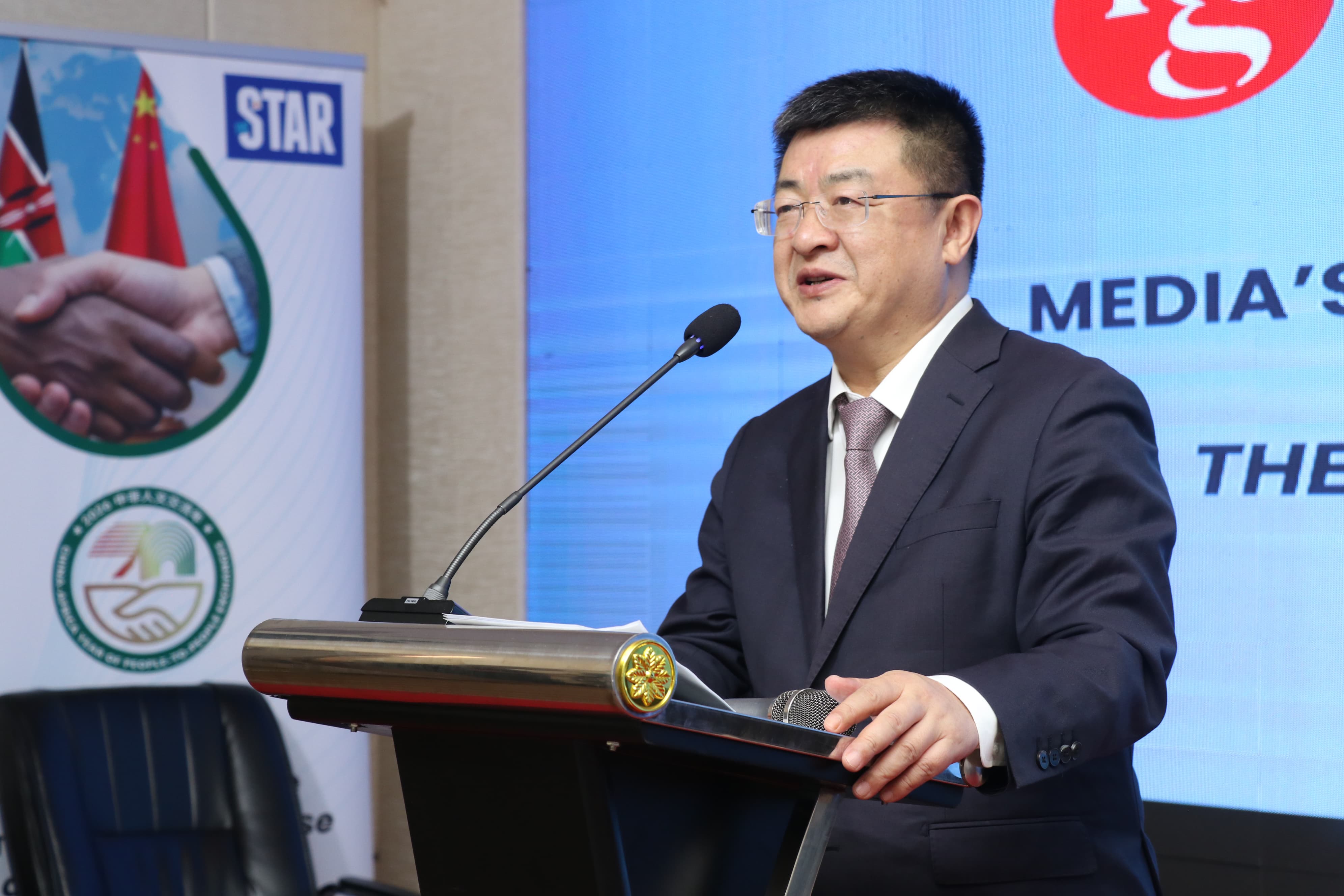
Speaking at a forum on "Media Ethics and Editorial Leadership in the Face of a Changing Media Landscape" in Nairobi on Thursday, Director General of the Xinhua News Agency Africa Regional Bureau Ying Qiang said digital platforms have brought Kenyan and Chinese audiences closer than ever before, creating new opportunities for people-to-people engagement.
"A young person in Nairobi can learn about China's high-speed trains on TikTok, while someone in Beijing can discover Kenyan coffee farmers and tourism attractions through social media," Ying said.
He noted that ordinary citizens are increasingly becoming storytellers, sharing experiences that help strengthen relations between the two countries beyond official diplomatic engagements.
"The China-Kenya story is no longer carried by government declarations alone. It is told through the lives of ordinary people- students, doctors, workers, entrepreneurs and families," he said.

Ying said the rise of digital platforms has changed how stories are consumed, with audiences now actively participating in conversations rather than simply receiving information.
However, he warned that the rapid flow of information has increased the responsibility of professional media institutions.
"In a world flooded with information, trust is the most valuable product a newsroom can offer," he said.
"The more information circulates, the more audiences look to professional media for what is verified, reliable and accurate."
He called for stronger collaboration between Kenyan and Chinese media organisations through content exchange, journalist training, joint productions and information-sharing initiatives.
Ying said cross-cultural editorial judgment would be increasingly important as media organisations seek to tell stories that resonate with audiences in different countries.
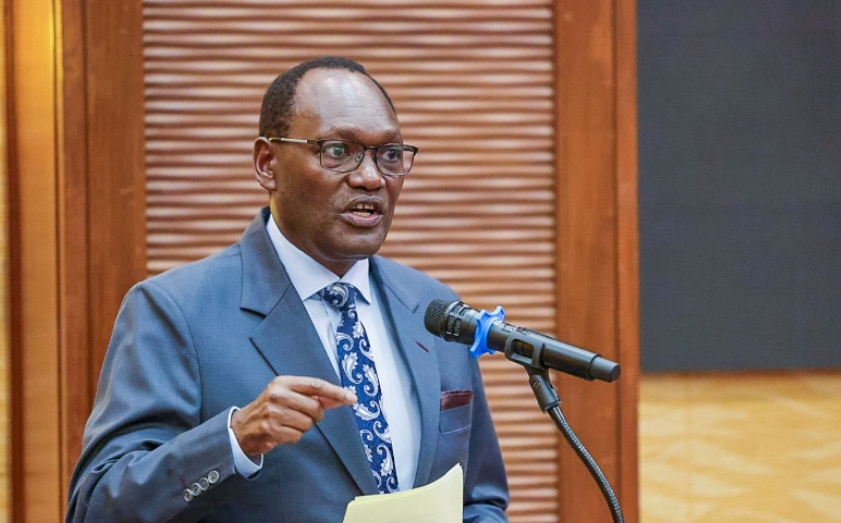
Kenya Editors Guild (KEG) CEO Linda Bach echoed the call for ethical journalism, warning that media organisations now compete not only with traditional rivals but also with content creators, influencers and millions of social media users.
"We are operating in an era where technology is disrupting every aspect of journalism," Bach said.
According to the Media Council of Kenya's State of the Media Report 2025, social media has become the leading source of news for 39 per cent of Kenyans, ahead of television at 31 per cent and radio at 26 per cent.
Bach said the changing landscape makes ethics journalism's greatest competitive advantage.
"The public can get information anywhere. They come to professional media for verification, context, balance and accountability," she said.
She argued that the future belongs not to the fastest newsroom but to the most trusted one.
The editors' guild boss urged newsroom leaders to strengthen editorial oversight and uphold professional standards despite growing commercial and political pressures.
"Editors must remain guardians of ethical standards, defenders of newsroom integrity and mentors for younger journalists," she said.

Bach also called for clear ethical guidelines governing the use of artificial intelligence in newsrooms.
While AI can support research, translation, transcription and data analysis, she said human editors must retain responsibility for verification, context and public interest decisions.
"AI cannot replace editorial judgment," she said.
She further warned that misinformation and disinformation remain among the biggest threats facing journalism globally, urging media houses to invest in stronger fact-checking systems and media literacy programmes.
The forum heard that international media partnerships can play a positive role in promoting mutual understanding between nations, provided they respect editorial independence and professional standards.
Both speakers agreed that despite rapid technological change, journalism's core mission remains unchanged: seeking truth, serving the public interest and holding power accountable.
"Technology will continue to evolve, but ethical leadership is not an option for the future of media, it is the foundation upon which that future must be built," Bach said.