The media has a critical role to play in strengthening people-to-people relations between Kenya and China by promoting understanding, countering stereotypes and telling stories that reflect the real experiences of citizens in both countries, speakers at a Nairobi forum said on Thursday.
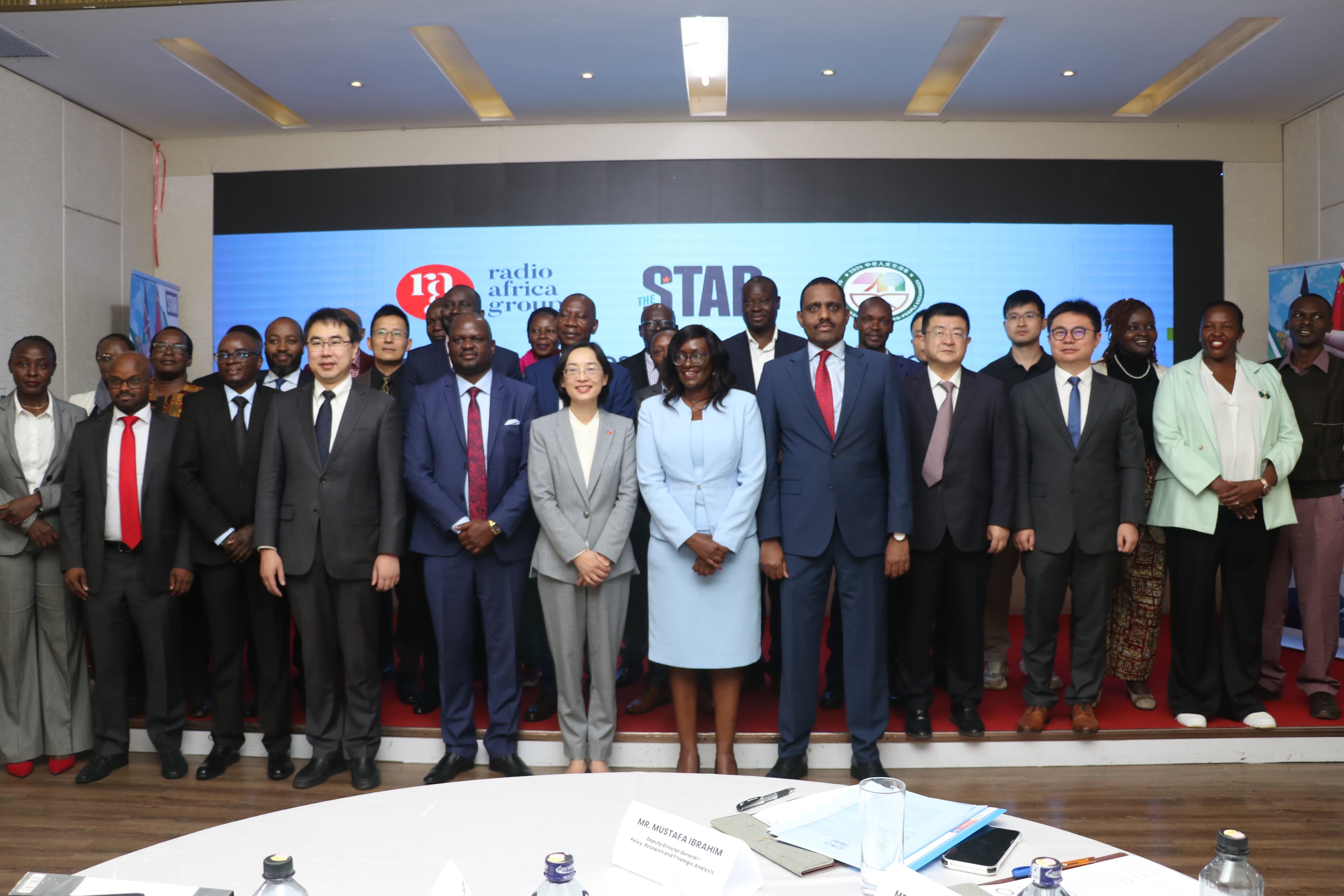
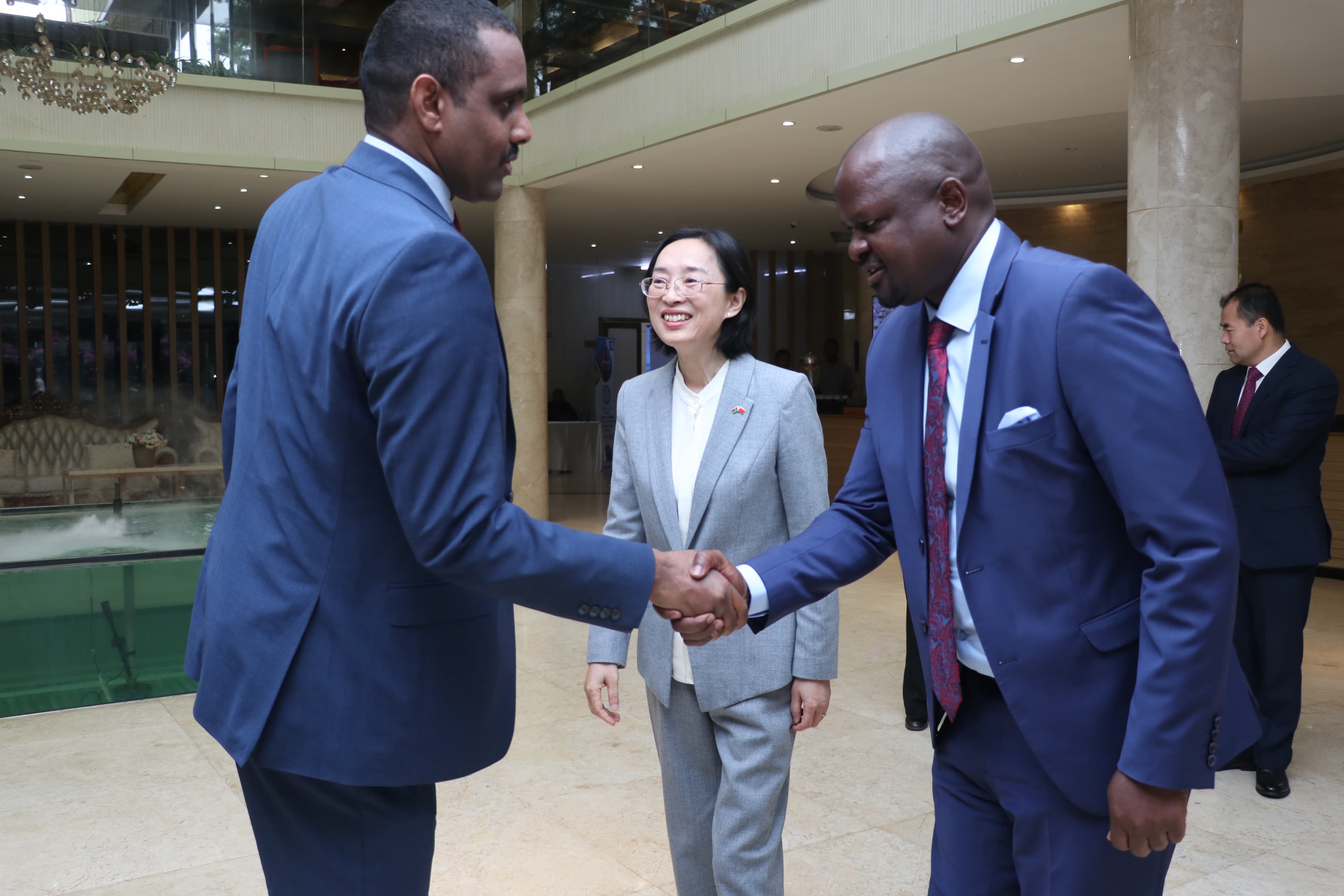
The seminar, dubbed “Media's role in fostering people-to-people connectivity: The case of Kenya-China relations,” hosted by The Star newspaper in partnership with the Chinese Embassy in Kenya, brought together diplomats, government officials, editors, and journalists to discuss the media's role in fostering people-to-people connectivity in Kenya-China relations.
Speakers argued that while government agreements and diplomatic engagements remain important, the long-term success of bilateral relations depends largely on how ordinary citizens understand and relate to each other.
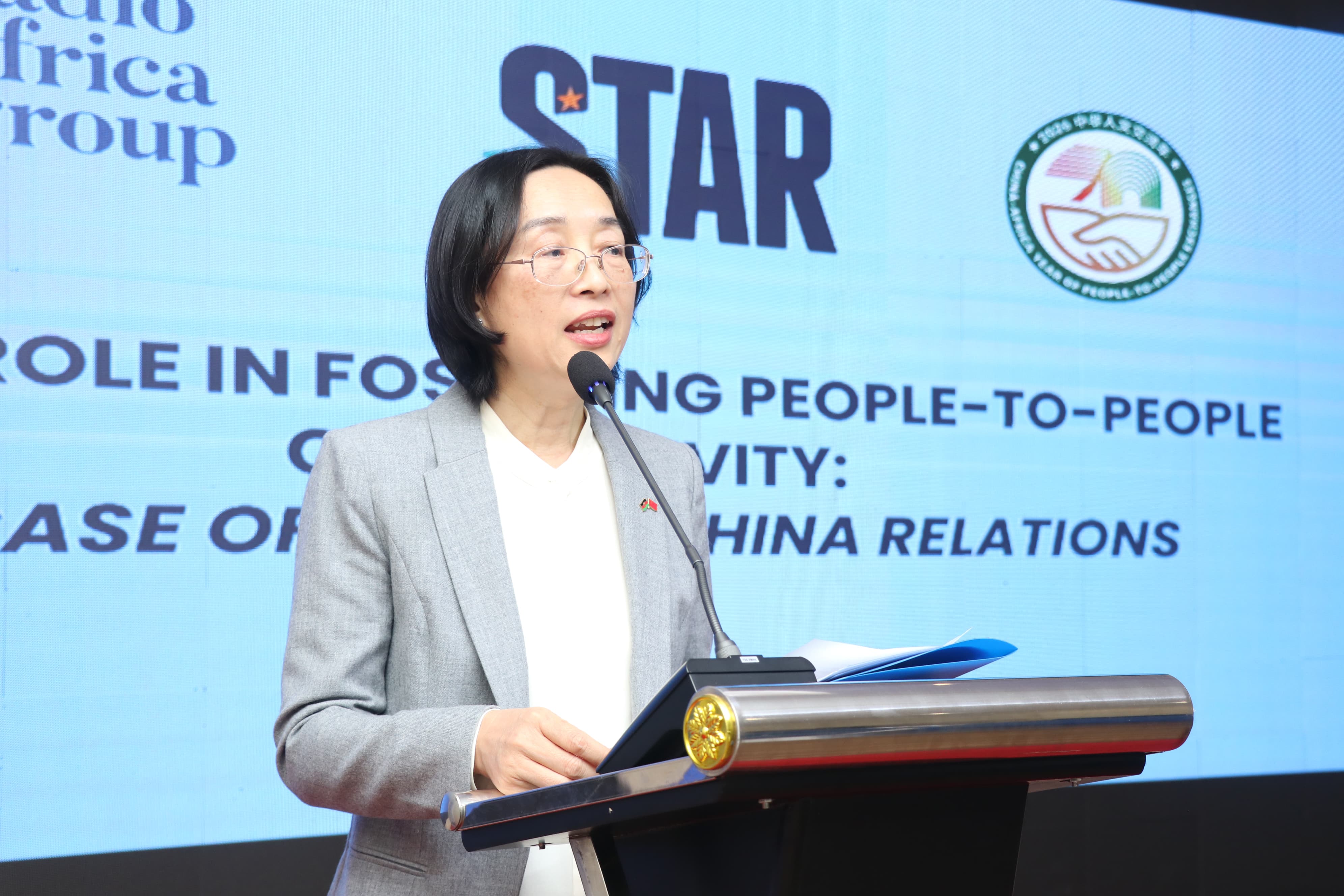
Chinese Ambassador Guo Haiyan said media organisations have become increasingly influential actors in international relations as globalisation and technological change reshape communication.
“Media is no longer merely a tool for information dissemination, but an important means to build the image of a country and enhance international cooperation,” she said.
Guo noted that 2026 marks the 70th anniversary of diplomatic relations between China and Africa and the China-Africa Year of People-to-People Exchanges.
She said nearly 600 exchange activities would be held under the initiative. The aim is to strengthen cooperation among youth, cultural institutions and media organisations across the continent.
“People-to-people exchanges have always been at the forefront of China-Kenya relations, serving as the popular foundation for the steady and sustained progress of bilateral relations,” she said.
The envoy said Kenya occupies a special place in China’s diplomacy as an important African partner and a gateway to East Africa.
She further noted that bilateral ties entered a new phase following President William Ruto’s state visit to Beijing in 2025.
Guo called on Chinese and Kenyan media to produce timely, accurate and objective reporting on bilateral relations, saying misinformation, perception biases and one-sided interpretations continue to hinder mutual understanding.
She urged journalists to become “honest record keepers” of Kenya-China friendship by highlighting stories that show how cooperation between the two countries improves the lives of ordinary citizens.
“The essence of China-Kenya cooperation is win-win and mutually beneficial outcomes which broadly lift the well-being of the two peoples,” she said.
The ambassador also encouraged media houses to promote cultural exchanges, embrace digital storytelling and strengthen cooperation through content sharing, professional exchanges and joint productions.
“The power of media lies in documenting our times, witnessing friendship, spreading goodwill and connecting people’s hearts,” she said.
Deputy Director for Policy, Research and Strategic Analysis at the Ministry of Foreign Affairs, Mustafa Ibrahim, who represented Principal Secretary Korir Sing’oei, described China as one of Kenya’s most important bilateral partners.
“This relationship has grown into one of the most consequential bilateral relationships for Kenya,” Ibrahim said.
He noted that ties were elevated during President William Ruto’s visit to China and that 2026 marks both the China-Africa Year of People-to-People Exchanges and the implementation of initiatives aimed at expanding economic cooperation.
“The relationship between Kenya and China is experienced by the great majority of people from both sides,” he said.
“Public understanding of our engagement is shaped by the media.”
Ibrahim said perceptions created through media coverage have a direct impact on tourism, investment and broader economic cooperation.
“How we are understood has a direct link to the investments we attract and the relationships we build,” he said.
He cited the China-Kenya Culture and Tourism Season as an example of successful media collaboration, noting that content-sharing initiatives brought Kenyan tourism attractions to Chinese audiences.
“The wildebeest migration was broadcast in Chinese homes,” he said.
According to Ibrahim, Chinese visitor arrivals to Kenya approached 105,000 in 2025, a grand sign of the growing impact of cultural and media exchanges.
He added that Nairobi has become a major regional media hub hosting organisations such as Xinhua, China Media Group and CGTN, while more than 100 Kenyan professionals in tourism, culture and the creative industries have benefited from training programmes under the partnership.
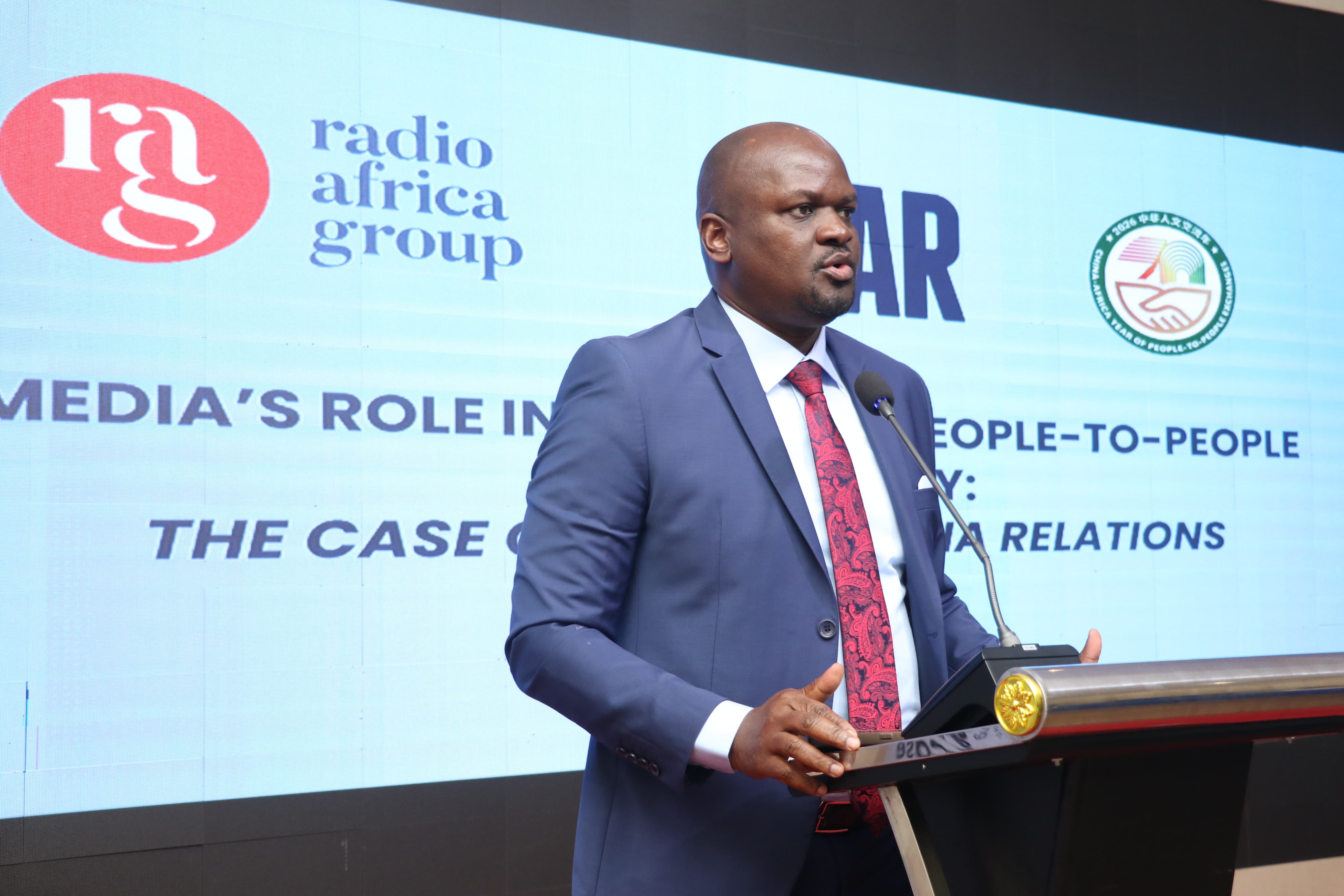
Radio Africa Group Editorial Director Paul Ilado said journalists have a responsibility that goes beyond reporting official events and statements.
“Today is about people-to-people exchanges,” Ilado said. “The people in this room believe that the media can do more than just report daily events. We can interpret technical issues and help people understand each other better.”
He said the media's role was to help Kenyans understand China and the Chinese people while also helping China understand Kenya.
“How can we make Kenyans understand themselves better, understand Chinese better, and how can we help China and the Chinese understand us better so that we are able to work together in the journey of life?” he posed.
Ilado said journalism should not stop at covering official functions and press releases.
“Our work doesn't stand and end with official functions nor press releases, but tell stories, giving voices to the less heard and the shy,” he said.
He noted that diplomacy cannot succeed without the support and understanding of ordinary citizens.
“Diplomacy is not just about governments, it is about the people. Governments can do what they want to do but as long as people are not buying what they are doing, it is a waste of time,” he said.
Ilado pointed to China’s growing footprint in Kenya through infrastructure, trade, technology and investment, saying journalists have a duty to explain both the opportunities and challenges arising from the relationship.
“The most important story is how China has become part of the Kenya journey towards development,” he said.
He added that accurate reporting can help bridge misunderstandings and unlock opportunities for businesses, farmers and entrepreneurs seeking access to Chinese markets.
“Our role is to connect people. Farmers who don't know how to get to the market in China can benefit,” he said.
“When accurate information circulates, business moves.”
The forum brought together journalists, editors, diplomats and media stakeholders who agreed that stronger collaboration between Kenyan and Chinese media institutions would be critical in deepening mutual understanding and supporting the next phase of relations between the two countries.