Senators summon IG Kanja, police bosses over alleged expulsion of pregnant recruits at Kiganjo
Human rights campaigners say the policy ignores progress made in advancing women’s rights.
by JULIUS OTIENO
Audio By Vocalize
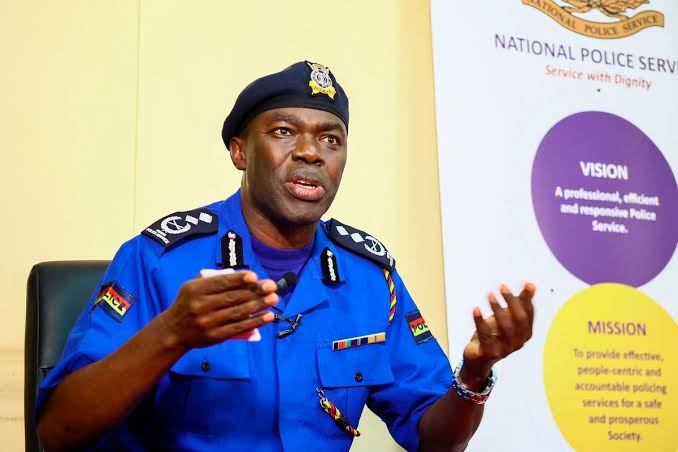
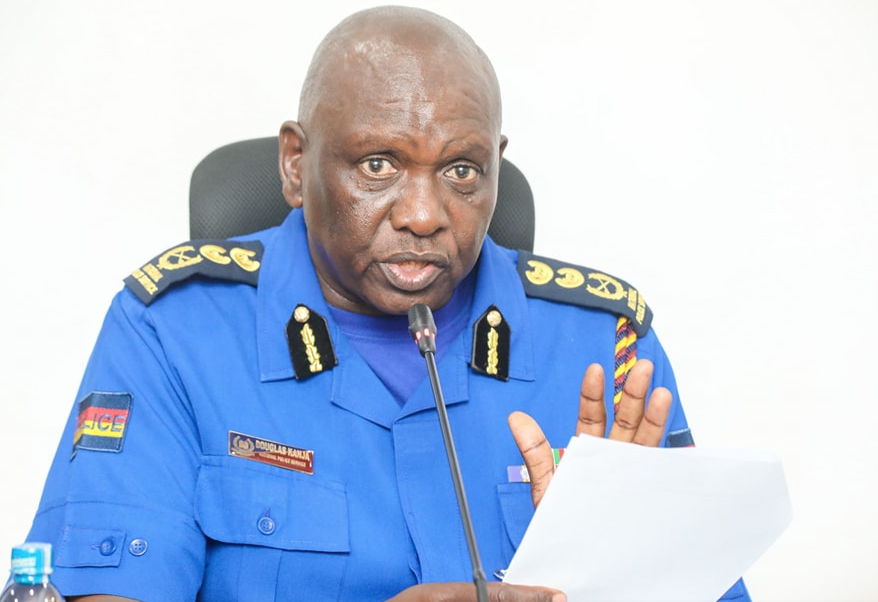
Police IG Doughlas Kanja /FILE
The Senate has summoned Police IG
Douglas Kanja and top National Police Service officials to explain the alleged
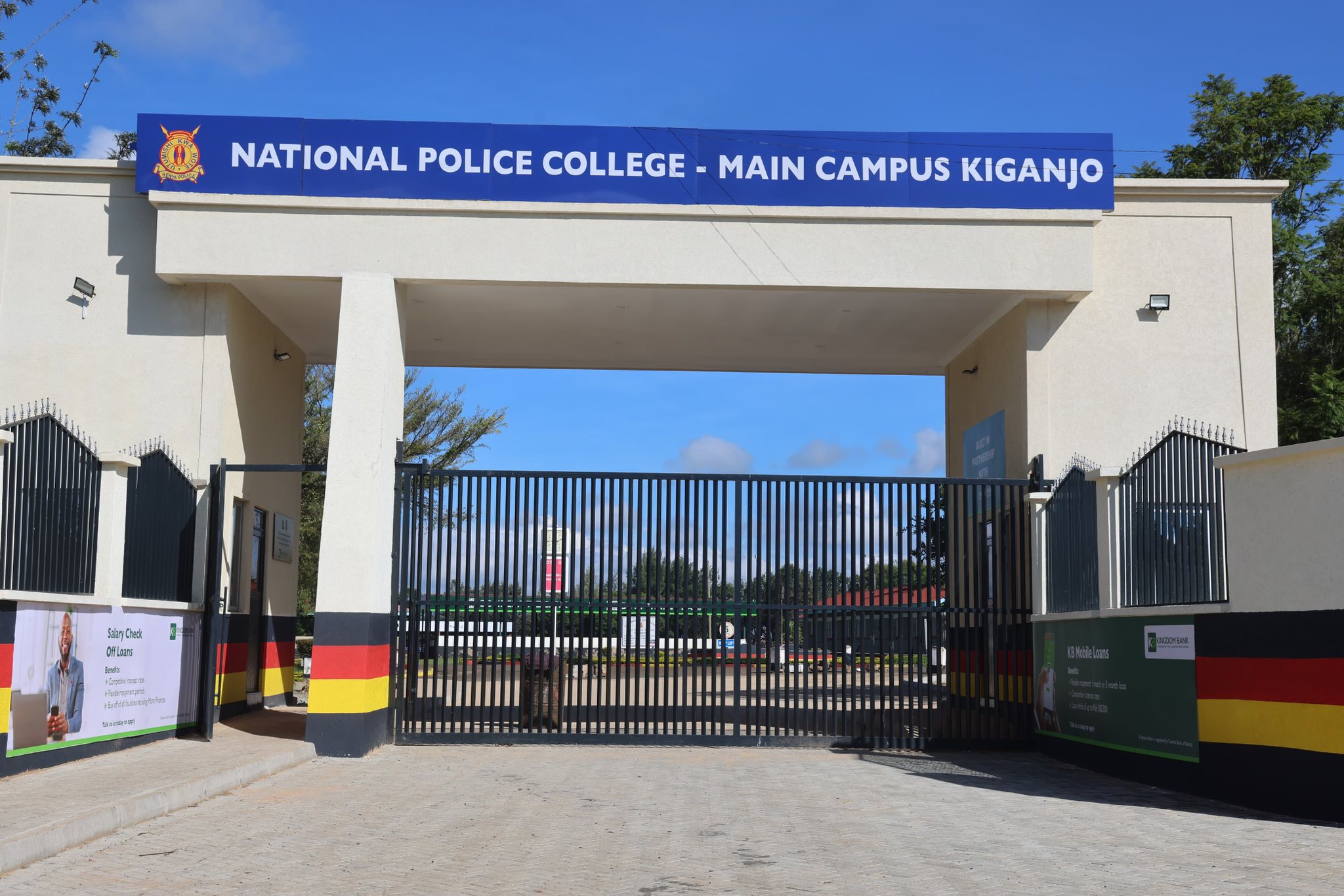
expulsion of 18 female recruits from the National Police College in Kiganjo.
The development follows
claims that the recruits were found to be pregnant during training.
The matter sparked outrage in the House after nominated Senator Veronica
Maina demanded answers from the Senate’s Security committee over what she
termed a discriminatory and unconstitutional decision.
Speaking in the Senate, Maina said the expulsions reflected “a deeply
concerning lack of gender sensitivity and institutional responsiveness towards
women, particularly expectant mothers seeking opportunities in public service
and professional advancement.”
“Pregnancy is neither misconduct nor incapacity and motherhood must never
be construed as a disqualification from service, leadership or employment,” she
said.
The senator, who chairs the Kenya Women Senators Association, argued that
the decision sends “a disturbing and regressive message that women are still
expected to choose between their biological realities and their aspirations to
serve this nation.”
The recruits were reportedly removed from training under existing NPS
regulations that classify pregnancy as incompatible with the physically
demanding police training programme.
However, the move has ignited a national debate on discrimination against
women in public institutions.
The lawmakers and women leaders are questioning whether the regulations
violate constitutional protections on equality and labour rights.
Maina cited Articles 27, 28 and 41, which guarantee equality, human
dignity and fair labour practices, saying the police service must align its
policies with modern constitutional standards.
“The continued implementation of such policies and practices that
disproportionately disadvantage women demonstrates the urgent need for stronger
gender-sensitive reforms within the National Police Service and across the
public service,” she told the House.
The Senate committee has now been tasked with assessing the legality of
the regulations used to expel the recruits.
The panel, chaired by Isiolo Senator Fatuma Dullo, will also determine
whether the regulations are consistent with the constitution and Kenya’s
international obligations on women’s rights and gender equality.
Senators also want the police service to explain whether it has
considered adopting gender-responsive recruitment and training policies that
can reasonably accommodate pregnant recruits without locking them out of
careers in law enforcement.
The committee is further expected to investigate safeguards in place to
prevent discrimination against women in public institutions based on pregnancy
or maternal status.
Kewosa has also demanded that the affected recruits be allowed to resume
training after giving birth.
The expulsions have drawn criticism from women's rights groups and leaders
who argue that the policy unfairly punishes women for pregnancy while ignoring
the broader issue of equality in employment opportunities.
Some lawmakers have compared the situation to reforms in other
disciplined forces and institutions where maternity protections and deferred
training programmes have been introduced to support women employees.
Human rights campaigners say the policy reflects outdated institutional
practices that fail to appreciate the constitutional gains made in advancing
women’s rights since the promulgation of the 2010 Constitution.
The controversy now places pressure on the NPS leadership, including IG
Kanja and commanders at Kiganjo, to justify why the recruits could not be
deferred instead of being expelled altogether.
Critics say the decision risks discouraging women from joining the police
service at a time when the government has been pushing for greater gender
balance in security agencies.
The Senate intervention also comes amid growing scrutiny of conditions
facing female officers and recruits within the security sector, including
concerns over workplace discrimination, harassment and unequal opportunities
for promotion and advancement.
INSTANT ANALYSIS
The expulsion of 18 pregnant police recruits from the National Police Service
exposes the clash between outdated institutional regulations and constitutional
protections on equality and labour rights. By summoning IG Douglas Kanja and
senior police bosses, senators have elevated the matter into a national debate
on gender discrimination in public service. The controversy could force reforms
within the police service, especially on maternity accommodation, recruitment
policies and treatment of women officers, while testing Kenya’s commitment to
gender equality and inclusivity.
This is premium content
Subscribe to Continue Reading
Help us continue bringing you unbiased news, in-depth investigations, and diverse perspectives. Your subscription keeps our mission alive and empowers us to provide high-quality, trustworthy journalism. Join us today to make a difference!

 Police IG Doughlas Kanja /FILE


![[PHOTOS] The new Ngong –Naivasha Road viaduct](https://cdn.radioafrica.digital/image/2026/06/64d4f771-4432-4aee-ba3c-2f304c4436ec.jpg)



![[PHOTOS] 'Mr Speaker Sir' Gen Z protester in court](https://cdn.radioafrica.digital/image/2026/06/b3e62d8e-25c3-4780-90f9-4eb48b1ce8a7.jpg)