Ruto tough options: Reduce fuel taxes, slow development
Reducing fuel taxes will cause a budget deficit but economists say some development priorities can be put on hold.
by LUKE AWICH
Audio By Vocalize
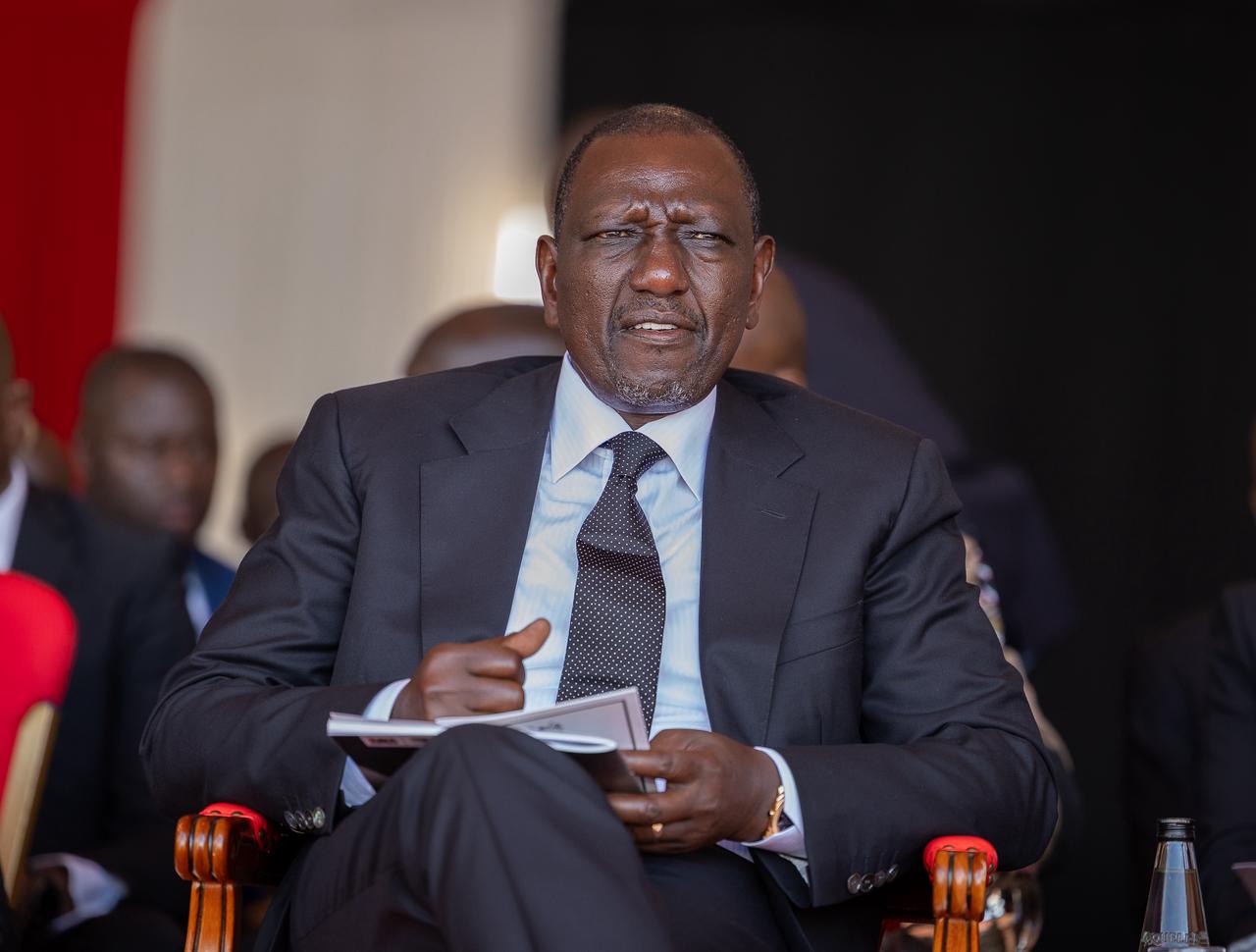
President William Ruto/FILE
President William Ruto’s
administration faces a delicate balancing act as pressure mounts on the state to reduce fuel
taxes amid worsening economic strain and growing public anger.
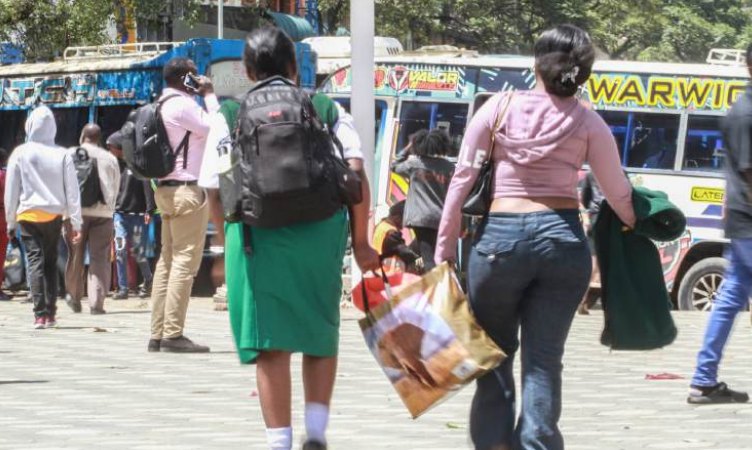
Soaring petroleum prices and the rising cost of living have seen public anger grow, especially after matatu owners pulled their vehicles off the roads, forcing many commuters to walk to work.
The countrywide strike that paralysed the country for nearly two
days was called off on Tuesday with a rider that it will resume in a week if no deal is
reached between the government and transport operators.
While the move has given Ruto some breathing space, pressure remains on the government to further slash fuel-related taxes.
On Tuesday, Kenya Association of Manufacturers Chief Executive
Officer Tobias Alando said the only way out is to cut down the taxes.
“Fuel-related taxes and
levies must be reviewed to ease economic pressure, protect local manufacturers’
competitiveness, lower commodity prices, stabilise supply chains, and support
economic recovery,” he stated.
However, some economists warn that cutting down taxes will widen
the budget deficit and force the government to suspend development projects.
Even with the
current taxes, Kenya’s 2026/2027 national budget projects a fiscal deficit of Sh1.1 trillion
This now leaves the administration walking a tightrope as
cutting fuel taxes could cripple key development programmes that
heavily rely on revenues collected from the sector.
The government earns hundreds of billions of shillings every
year from taxes and levies imposed on petrol, diesel and other petroleum
products.
Treasury Cabinet Secretary John Mbadi told the Star the recent
reduction of VAT has resulted into a Sh12 billion loss in revenue for the month
of April.
“From April, we have reduced VAT on petrol and petroleum
products from 16 to eight per cent, that is a loss of Sh12 billion per month,” Mbadi
said.
“For the two months, April and May, is Sh24 billion.”
During the 2024/2025 financial year alone, Kenya Revenue
Authority (KRA) collected over Sh338 billion in oil-related taxes and levies.
Among those under sharp public scrutiny is the Road
Maintenance Levy – the largest component – which is charged at Sh25 per litre.
During the 2024/2025 financial year, the taxman collected
Sh119.7 billion from RML after it was increased from Sh18 to Sh25.
The government uses the levy to finance the rehabilitation and
expansion of road networks across the country.
Other fuel-related taxes include Value Added tax (VAT) at
Sh17.81 (petrol) and Sh17.85 (diesel), it was halved to eight per cent from the
initial 16 per cent.
The government also imposes excise duty at Sh21.95 (petrol) and
Sh11.37 (diesel), the levy goes towards debt servicing and public services.
Also charged on petroleum products is the
Anti-Adulterations Levy of Sh18 per litre, import declaration levy (Sh3.50), railway development levy (Sh2.10), petroleum regulatory levy (Sh0.75) and
Merchant Shipping Levy (Sh0.3).
In total, the taxes and levies on petrol and petroleum products
account for 52 per cent of the pump prices.
Foregoing the taxes, as being pushed by some quarters, will mean
a huge revenue gap for the administration and may cripple key sectors.
The government also reduced the cost of diesel by Sh10 on
Monday, a move Energy Cabinet Secretary Opiyo Wandayi said will cause another
Sh2.7 billion loss.
“The reduction by Sh10 on diesel took some Sh2.7 billion,” Wandayi said.
The push to reduce the taxes and levies thus presents Ruto’s
administration with tough options amid demanding national development
priorities.
Economic analysts warn that any major reduction in fuel taxes
could leave the state with a huge budget gap, forcing it to borrow more to
sustain ongoing projects, a move likely to pile pressure on the country’s
already ballooning public debt.
Economist and Kitui Central MP Makali Mulu has urged the
government to reduce public expenditure and review fuel levies to shield
Kenyans from the rising cost of living following the latest increase in fuel
prices.
Mulu called on the government to reconsider some of the levies
imposed on fuel, arguing that easing the tax burden would help stabilise the
economy and cushion households from further hardship.
He further noted that some expenditure lines in the current
budget can wait to allow the government to bridge
revenue gaps without heavily relying on fuel taxes.
“We need to look at the budget from the expenditure side not revenue
side, we need to see which areas can we push to next year,” Makali said.
“Reducing taxes and then borrowing more will be putting more pressure
on the economy. We can reduce some of the levies, fuel is cheaper in Uganda
and Tanzania than Kenya because we have more taxes and levies.”
According Mbadi, the state is observing the situation with a
possibility of reducing VAT further and reviewing the expenditure.
“If we reduce VAT we will have to look at what we can cut in
terms of government spending,” he said.
The government is currently rolling out several infrastructural
and development activities across the country.
Kesses MP Julius Rutto cautioned that reducing fuel taxes may
offer temporary relief to wananchi, but it could also slow down development and
widen the fiscal deficit.
“We are on a lean and tight rope financially such that we will
make fuel cheap and stop development,” Rutto said.
But Kitutu Masaba MP Clive Gisairo said many taxes on petroleum products is to blame for the hiked prices calling on
the government to reconsider some of the taxes.
“Petroleum products are subjected to multiple levies,
significantly increasing their cost,” Gisairo said.
“Prices can be managed by removing the VAT imposed on these
products and scrapping the Sh7 Road Maintenance Levy Fund (RMLF), which was
quietly sneaked into the pricing formula in 2024 and has since been securitised
by the government.”
The crisis is already taking a heavy toll on the transport
sector, with Matatu Owners Association estimating losses of up to Sh500 million
on the first day of disruptions linked to the fuel standoff.
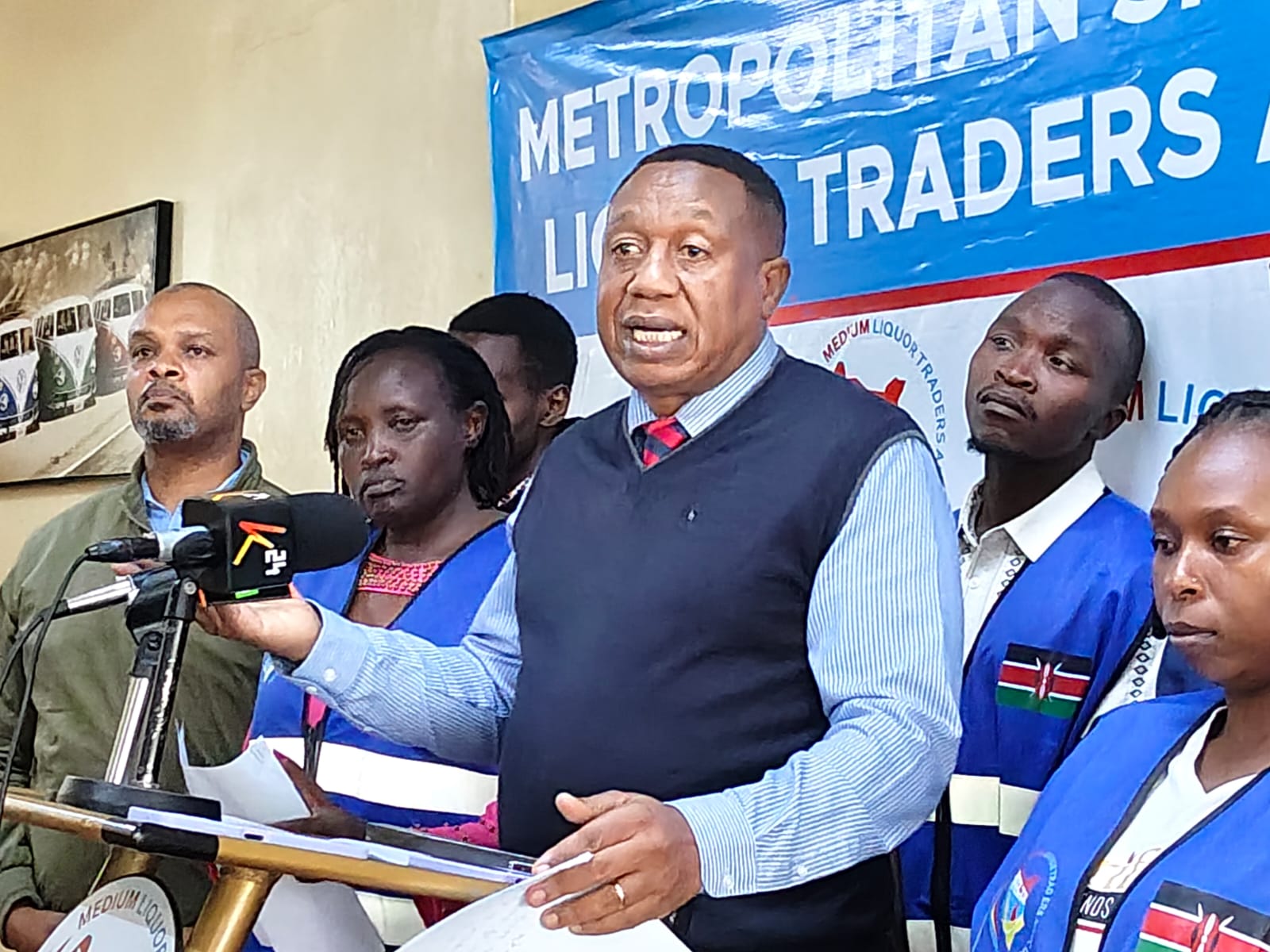
The associations' chairman Albert Karakacha in justifying the
industrial action said operators across the country are struggling to cope with
the sharp increase in fuel costs, which he described as unsustainable for both
operators and ordinary Kenyans.
He said the sector has been forced into drastic measures after
recent fuel price adjustments pushed diesel and petrol prices to record highs.
He claimed the government has failed to cushion
transport operators despite repeated appeals for dialogue and intervention.
“We have already lost more than Sh500 million as a sector, and
we are ready to continue bearing those losses until the government addresses
the issue of high fuel prices,” Karakacha said during a media briefing on
Monday.
The protests and partial transport paralysis witnessed in
several towns followed the latest fuel price review by the Energy and Petroleum
Regulatory Authority, which saw diesel prices rise to Sh242.
The increase has sparked outrage among matatu operators, boda
boda riders, logistics companies, and private motorists who say operating costs
have become unbearable.
INSTANT ANALYSIS
The protests and partial transport paralysis witnessed in several towns
followed the latest fuel price review by the Energy and Petroleum Regulatory
Authority (Epra), which saw diesel prices rise significantly.
This is premium content
Subscribe to Continue Reading
Help us continue bringing you unbiased news, in-depth investigations, and diverse perspectives. Your subscription keeps our mission alive and empowers us to provide high-quality, trustworthy journalism. Join us today to make a difference!




![[PHOTOS] The new Ngong –Naivasha Road viaduct](https://cdn.radioafrica.digital/image/2026/06/64d4f771-4432-4aee-ba3c-2f304c4436ec.jpg)







![[PHOTOS] 'Mr Speaker Sir' Gen Z protester in court](https://cdn.radioafrica.digital/image/2026/06/b3e62d8e-25c3-4780-90f9-4eb48b1ce8a7.jpg)