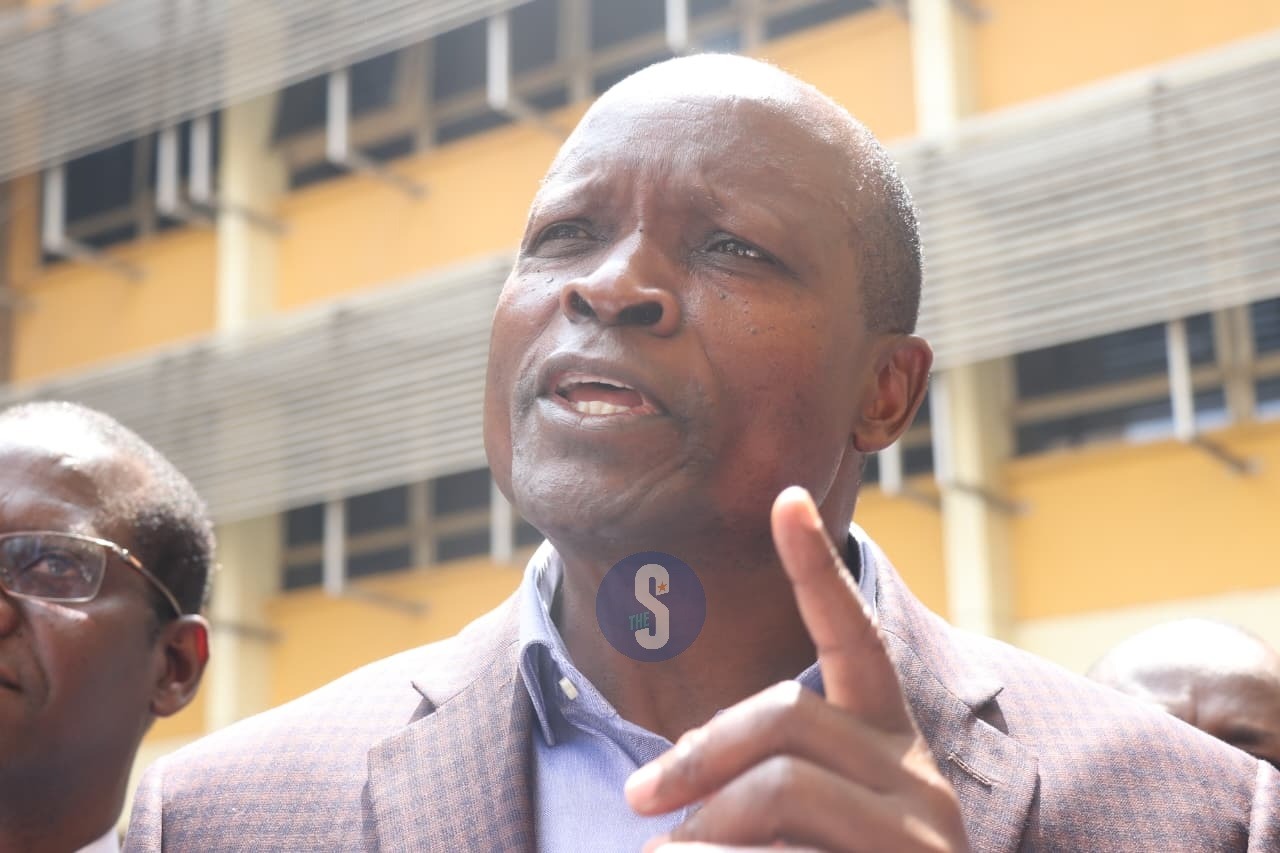
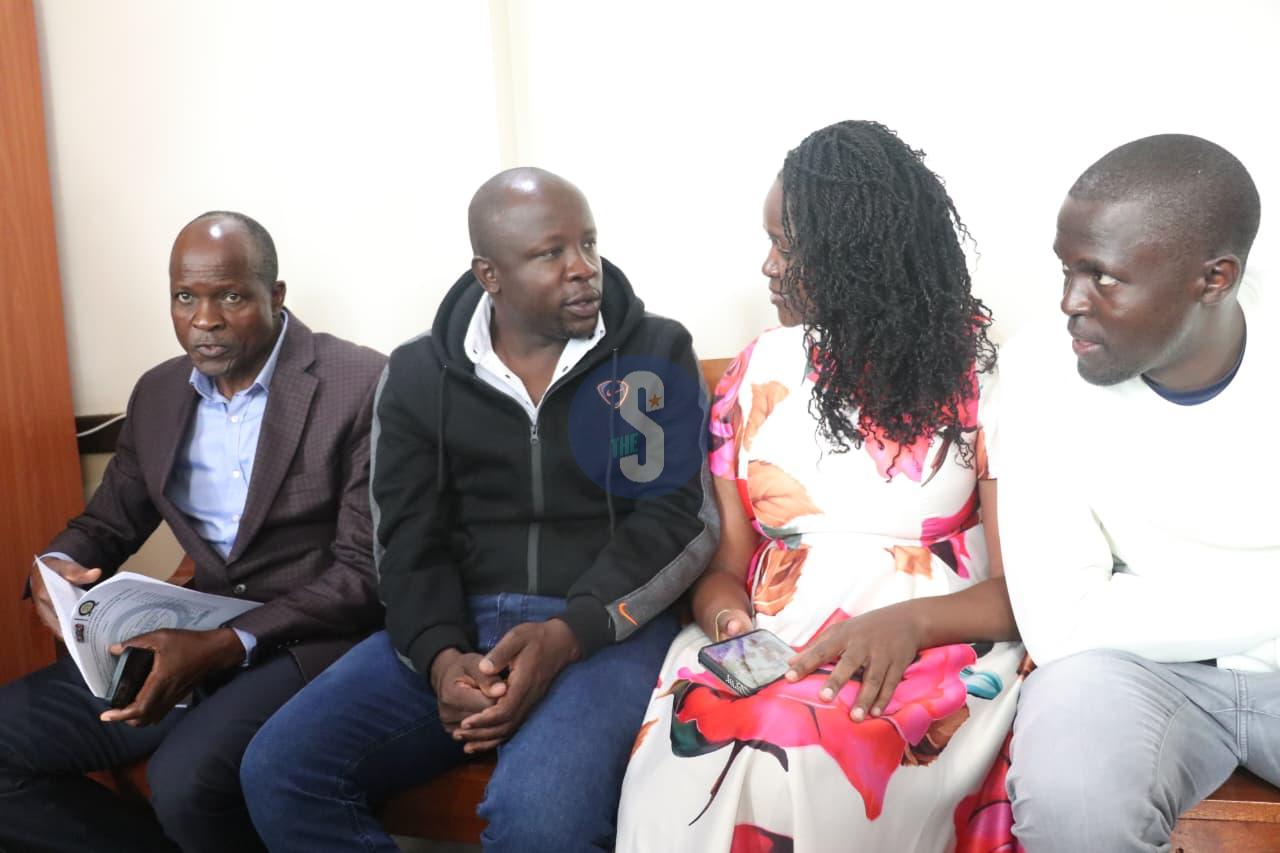
The National Integrity Alliance (NIA) has criticised the use of plea bargain arrangements in major corruption-related cases following a court decision to uphold a settlement involving former Migori Governor Okoth Obado and others linked to the Sh73.4 million matter.
In a statement issued on Friday, the anti-corruption coalition said allowing individuals associated with alleged misuse of public resources to pursue negotiated settlements could weaken efforts to combat corruption and entrench perceptions of impunity in public office.
“Recover the money. Prosecute the offenders...,” the coalition declared in its statement released after the Milimani Anti-Corruption Court upheld the plea bargain agreement entered into between the Office of the Director of Public Prosecutions and the persons involved.
The court on Thursday, May 14, permitted the DPP to withdraw the case involving Obado.
The alliance said that although plea bargaining and Alternative Dispute Resolution (ADR) mechanisms are recognised under Kenyan law, cases involving substantial public funds should not be resolved solely through negotiated settlements without full accountability.
“Corruption is not a victimless crime,” the statement read.
“The money from public coffers belongs to ordinary Kenyans, the child studying in a dilapidated classroom, the patient denied medicine in a public hospital, the youth without employment opportunities, and communities deprived of roads, water and essential services.”
The coalition questioned the precedent being created where individuals linked to serious graft allegations could surrender part of their assets and avoid full prosecution.
“The public must ask: if a person linked to allegations of stealing hundreds of millions of shillings can walk free after surrendering part of their assets, what message does this send to future public officers entrusted with public funds?” the alliance posed.
“Does it not risk normalising corruption as a low-risk, high-reward enterprise?”
NIA further argued that economic crimes often cause long-term effects on citizens and should not be treated more leniently than other serious offences.
“Serious offences such as murder do not ordinarily attract such lenient negotiated outcomes,” the statement noted.
“Why then should economic crimes, which affect the lives of citizens and derail national development, be treated with greater flexibility?”
The coalition warned that heavy reliance on plea bargains in major corruption cases could reduce public confidence in the justice system and create perceptions of unequal justice between ordinary citizens and politically connected individuals.
According to the alliance, negotiated settlements in graft-related cases could also weaken deterrence against corruption and reinforce the perception that misuse of public funds can later be settled through asset surrender agreements.
“We maintain that true justice in corruption cases must go beyond negotiated settlements and partial restitution,” the statement said.
“Public funds must be fully recovered, and all individuals found culpable must face the full force of the law, including custodial sentences where appropriate.”
The organisation further stressed that returning assets after years of benefit should not erase responsibility.
“Restitution alone cannot substitute criminal responsibility,” the coalition stated.
NIA now wants Parliament and the National Council on the Administration of Justice (NCAJ) to review the scope and limits of plea bargaining in major corruption and economic crimes.
The coalition also called on the Judiciary and the ODPP to ensure that public interest and victims’ rights remain central in negotiated agreements involving such matters.
Additionally, the alliance urged the Ethics and Anti-Corruption Commission (EACC) to strengthen safeguards against abuse of plea bargain arrangements.
“Kenyans deserve a justice system that does not create the impression that corruption can simply be settled as a commercial transaction,” the statement added.
NIA is a coalition comprising Transparency International Kenya (TI-K), Kenya Human Rights Commission (KHRC), Inuka Kenya Ni Sisi and The Institute of Social Accountability.
The group focuses on promoting integrity, accountability and anti-corruption reforms in Kenya.

![[PHOTOS] The new Ngong –Naivasha Road viaduct](https://cdn.radioafrica.digital/image/2026/06/64d4f771-4432-4aee-ba3c-2f304c4436ec.jpg)






![[PHOTOS] 'Mr Speaker Sir' Gen Z protester in court](https://cdn.radioafrica.digital/image/2026/06/b3e62d8e-25c3-4780-90f9-4eb48b1ce8a7.jpg)