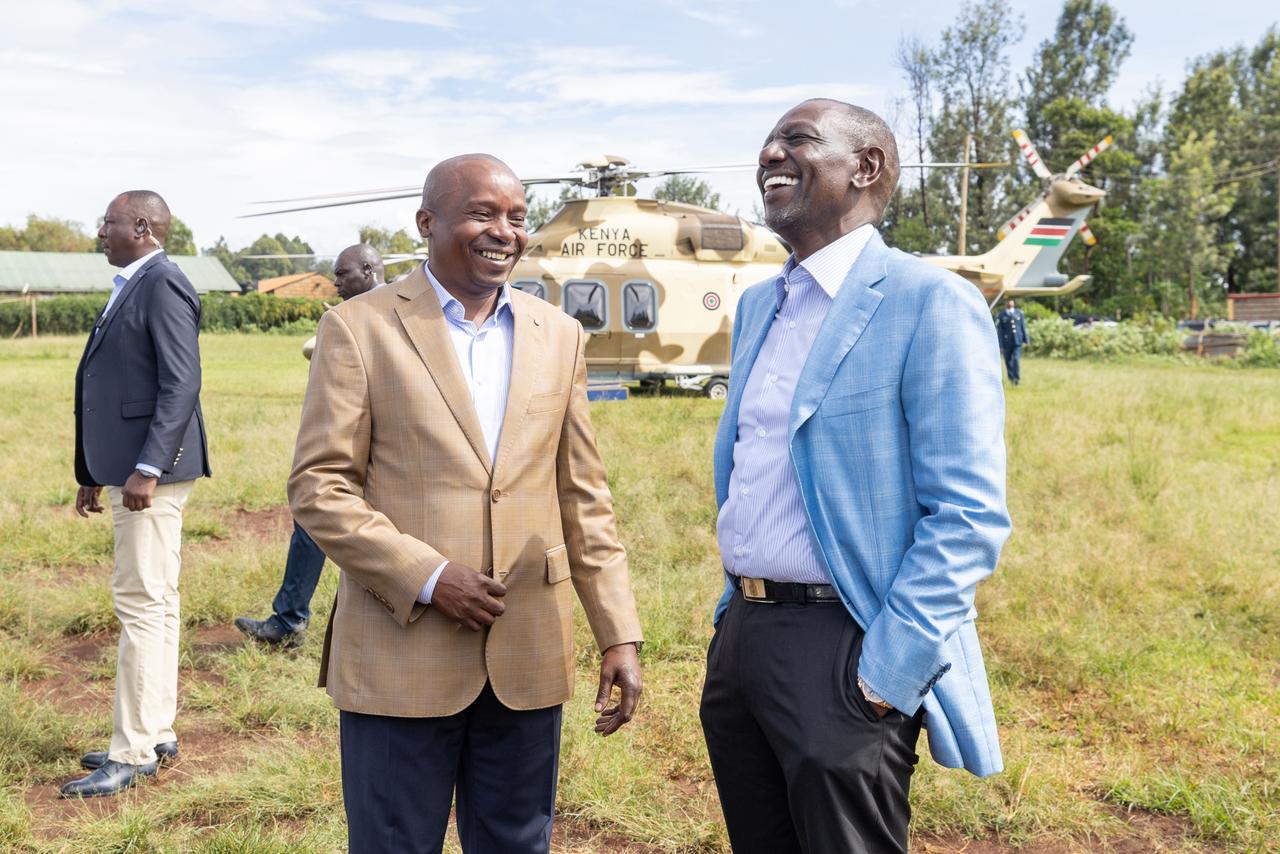
President
William Ruto on Sunday signalled,
more clearly than before, that he is inclined to retain his deputy Kithure
Kindiki as his running mate in the 2027 general election.
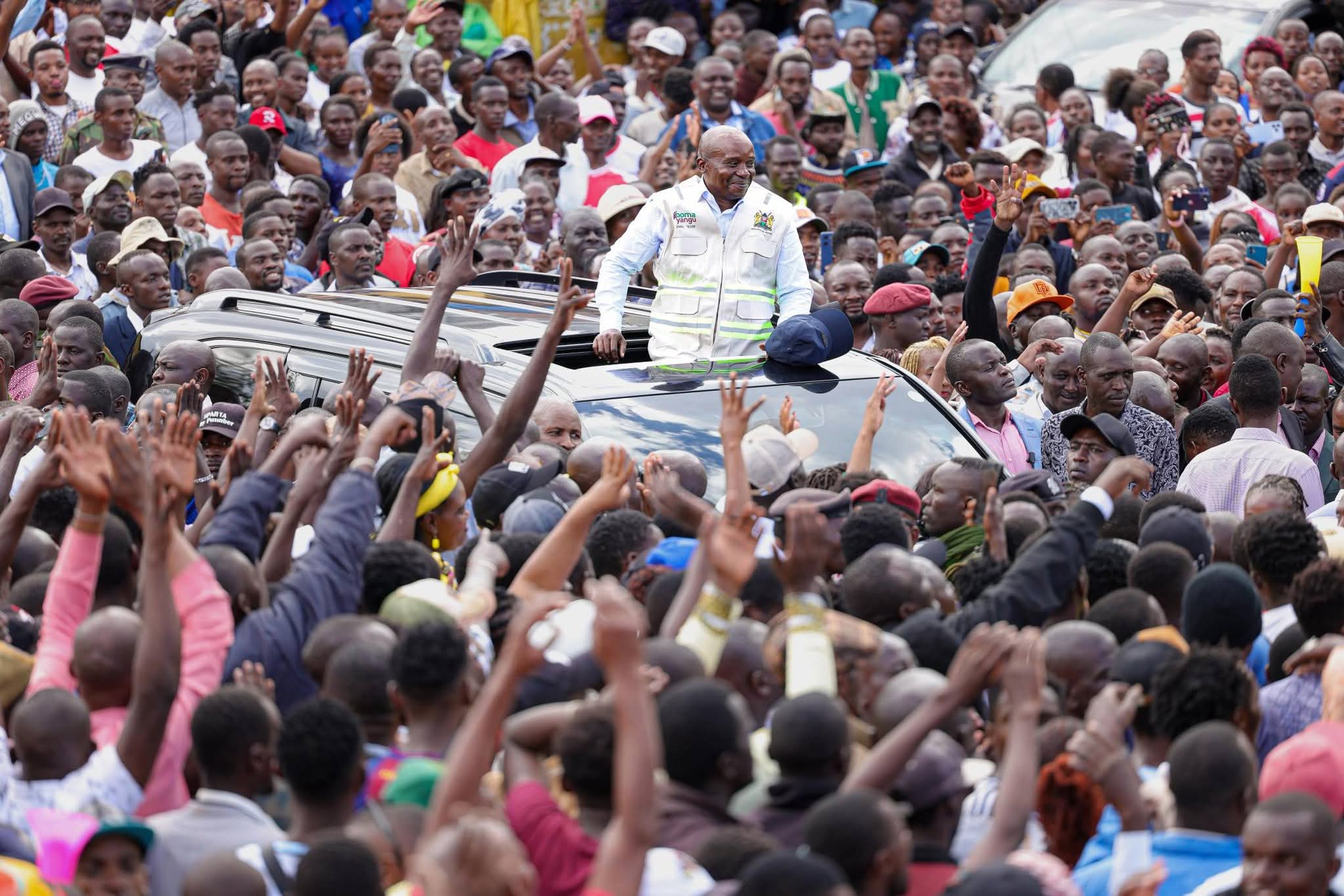
Speaking
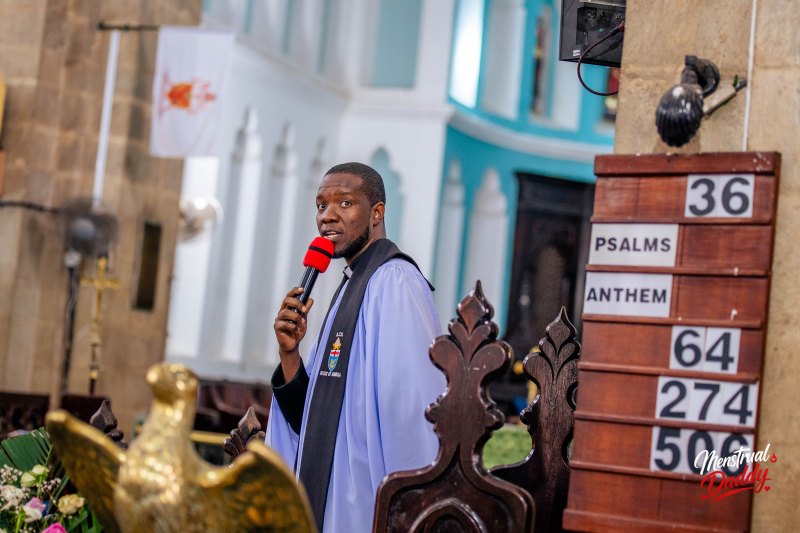
during a thanksgiving service at Presbyterian Teachers College, Rubate, in Tharaka Nithi county, Ruto offered an emphatic
endorsement of Kindiki’s performance.
Amid the
mounting succession intrigue within Kenya Kwanza and quiet lobbying from
rivals, the President framed his deputy as a dependable partner who has
outpaced expectations in executing government programs.
“We couldn’t
have gotten a better deputy president for the republic of Kenya. This man, Kindiki, is a man of a moment like this one.
He is self-driven, reliable and humble,” Ruto said, in remarks that appeared
calibrated to settle growing speculation over his 2027 ticket.
The head of state went further, drawing a comparison with his own
tenure as deputy under Uhuru Kenyatta, suggesting Kindiki had been more active
in supporting the administration’s agenda.
“The way I
worked under Uhuru and understood the workings of government, he has done
better than I. He has been to many places, three times more places than his
predecessor,” Ruto added.
The comments
mark the strongest public backing yet for the former Tharaka Nithi senator at a time when the deputy presidency has emerged
as a focal point of political contestation.
Multiple
figures within Kenya Kwanza are understood to be quietly angling for the slot,
with overtures from ODM adding another layer of complexity.
Within
government ranks, allies from the Mt Kenya region and beyond have been
positioning themselves as potential alternatives.
The push has
been amplified by the political aftershocks following the fallout between Ruto
and his former deputy Rigathi Gachagua, which reshaped alliances in the
vote-rich region.
At the same
time, ODM figures, in the face of navigating a delicate transition as the party
redefines itself in the post-Raila Odinga era, have also been linked to
behind-the-scenes efforts for bigger stakes.
Yesterday’s remarks, therefore, were widely interpreted by
political observers as an attempt to steady the ground within Kenya Kwanza by
publicly affirming loyalty to Kindiki.
This is even
as negotiations and alignments continue beneath the surface.
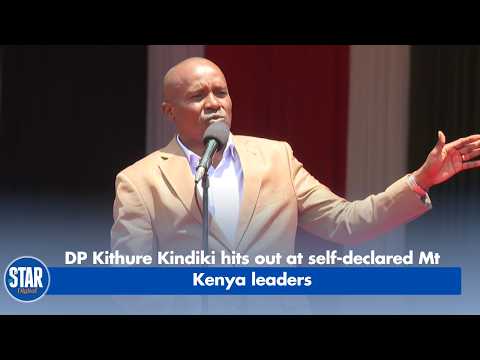
For his part,
Kindiki largely steered clear of direct political confrontation, instead
projecting a technocratic and development-focused profile.
Speaking at
the same event, he vouched for a leadership philosophy rooted in performance
rather than rhetoric.
“You must not
shout that you are a leader. The work you do speaks for itself,” Kindiki said,
invoking past presidents including Mwai Kibaki, Uhuru Kenyatta and Jomo
Kenyatta as examples of leaders whose authority stemmed from delivery rather
than self-declaration.
His approach
has earned him backing from sections of elected leaders, particularly in Mt
Kenya East, who argue that continuity would provide stability heading into the
next electoral cycle.
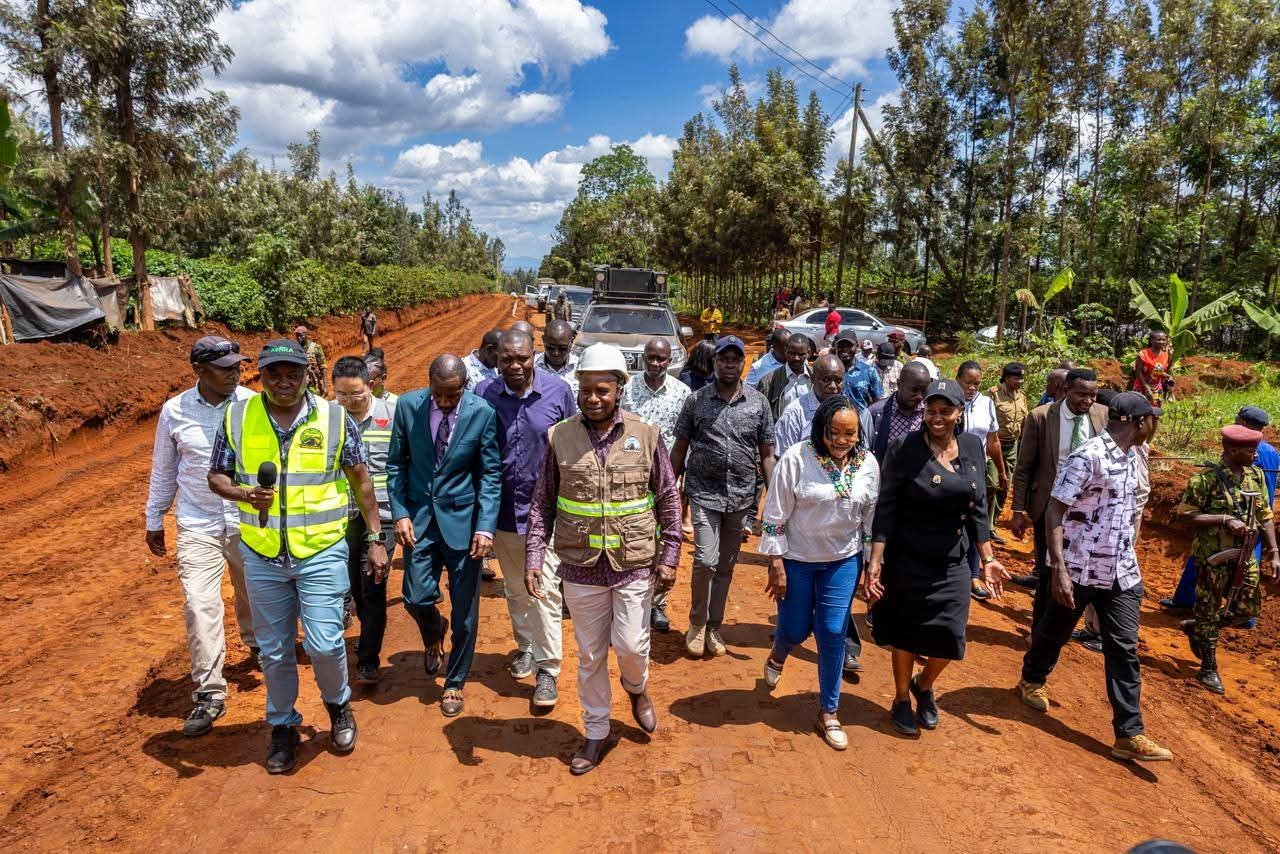
Tharaka Nithi
Governor Muthomi Njuki led local leaders in endorsing Ruto’s reelection bid,
pledging unconditional support based on the administration’s development
record.
“We will vote
for you unconditionally. As long as we can see your fingerprints, we are okay,”
Njuki said.
Kirinyaga
Governor Anne Waiguru echoed similar sentiments, framing the 2027 contest as a
referendum on performance
“The question
is, did we elect the President to talk or to work? With the work he has done,
why not give him two terms?” she said, dismissing
opposition criticism.
The leaders
also pushed back against Gachagua’s recent claims that the administration was
isolated internationally, citing Ruto’s global engagements—including
invitations to high-level forums—as evidence of Kenya’s standing.
The President expressed confidence in securing a second term,
arguing that his administration has laid a foundation that voters will evaluate
on merit.
“We have laid
the groundwork, and Kenyans will assess us. Where there are challenges, we will
correct them,” he said, while defending flagship programmes such as the Social
Health Authority, which he
described as transformative.
ODM’s
recalibration, internal Kenya Kwanza rivalries and shifting regional loyalties
suggest that the deputy presidency will remain a contested prize in the run-up
to 2027.
By strongly
backing Kindiki in Tharaka Nithi, Ruto may have sought to project decisiveness
on the critical question, especially in the face of pressure from Mt Kenya
East.
Whether that
endorsement holds amid intensifying political bargaining and whether it
reshapes calculations within both Kenya Kwanza and ODM will become clearer as
the race toward 2027 gathers momentum.




![[PHOTOS] The new Ngong –Naivasha Road viaduct](https://cdn.radioafrica.digital/image/2026/06/64d4f771-4432-4aee-ba3c-2f304c4436ec.jpg)


![[PHOTOS] 'Mr Speaker Sir' Gen Z protester in court](https://cdn.radioafrica.digital/image/2026/06/b3e62d8e-25c3-4780-90f9-4eb48b1ce8a7.jpg)