For many observers, he was a surprise pick, but not to
President William Ruto, who appears to have had a much bigger political design
in the move.
Ruku was the only member of the National Assembly elected on
Muturi’s Democratic Party ticket, a nomination that came at the height of
Ruto’s falling out with the former Speaker.
The by-election to replace him was widely seen as a
barometer of UDA’s popularity in Mt Kenya, with the ruling party securing a
resounding win, taking away the seat from Muturi's party.
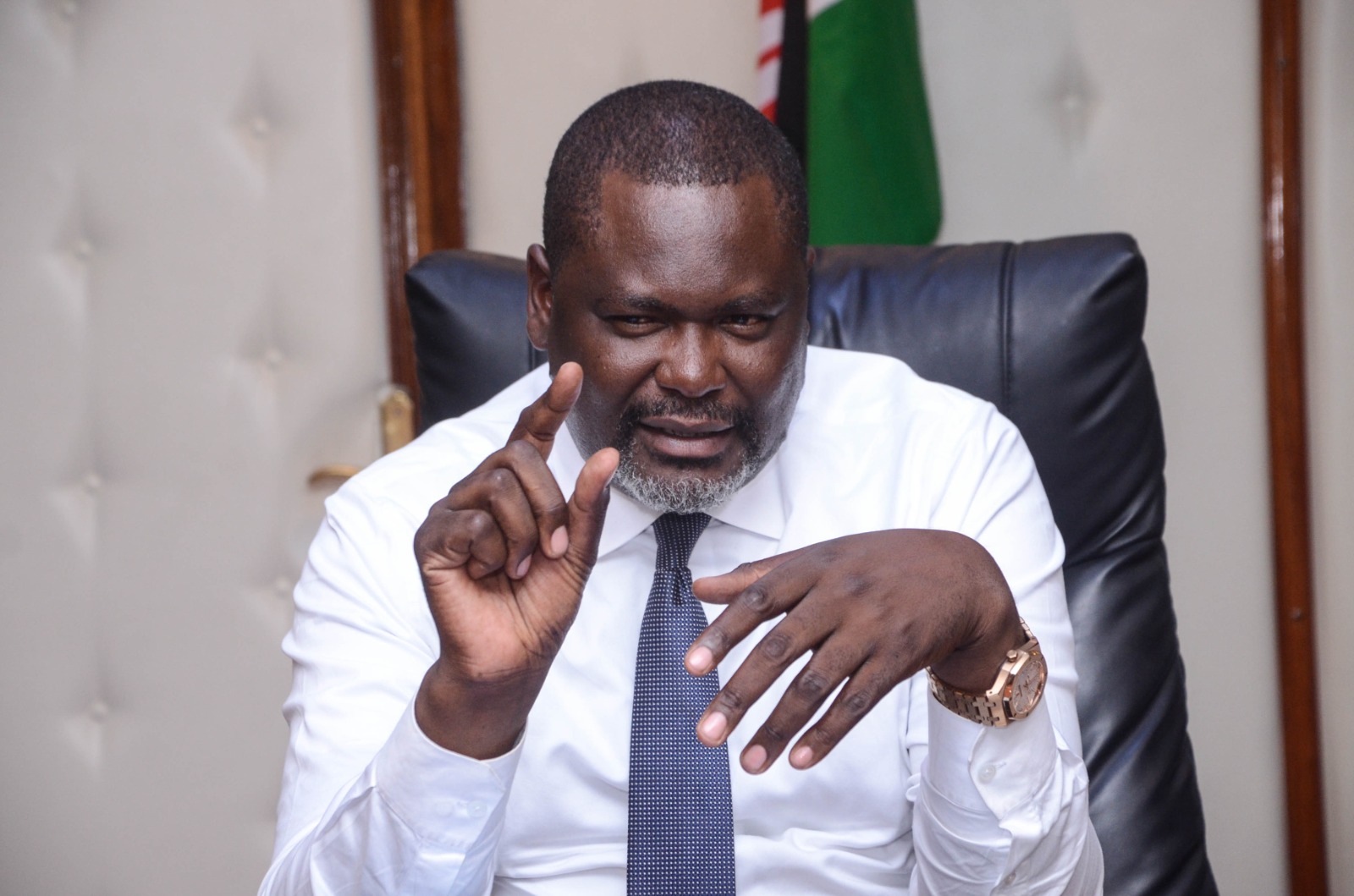
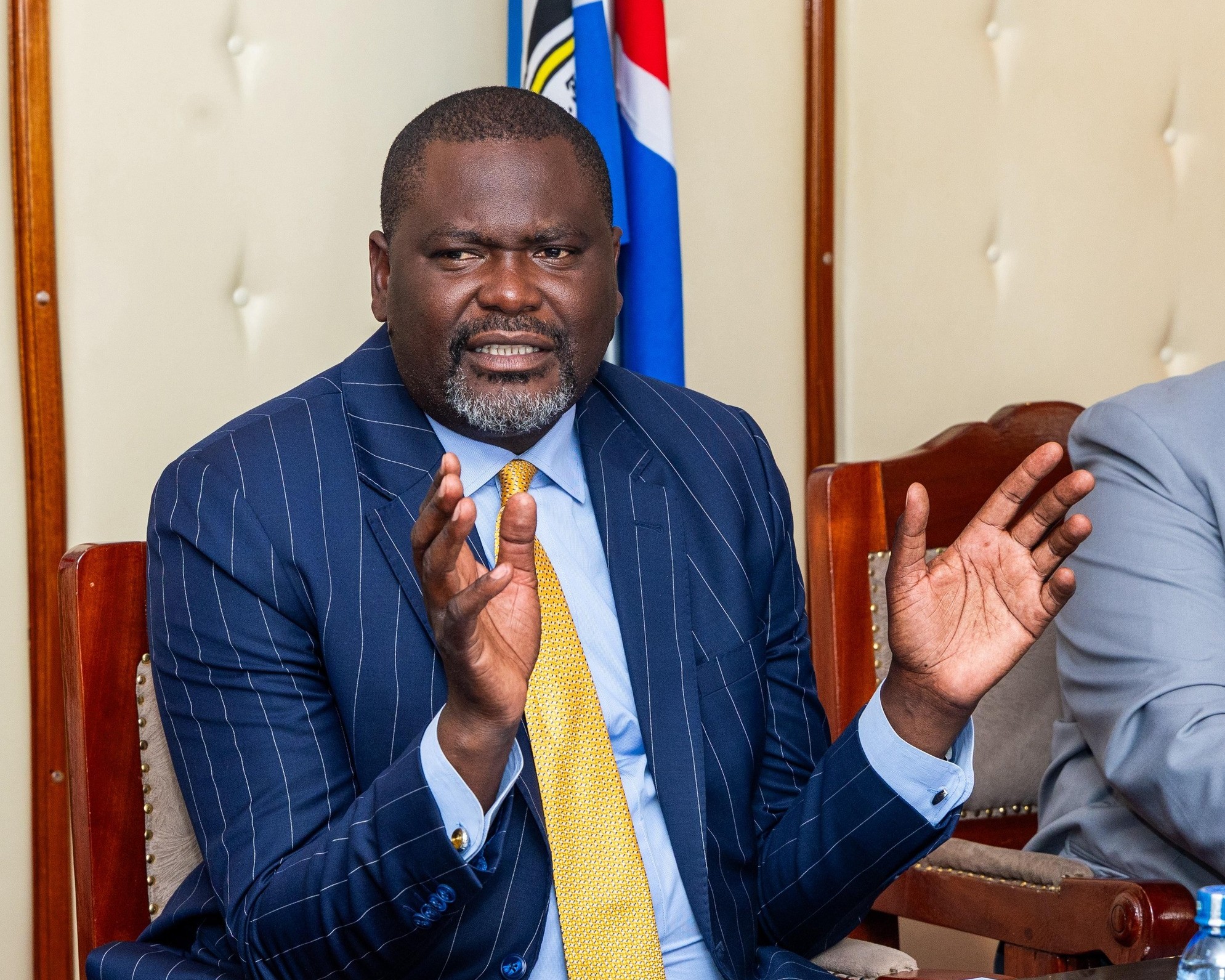
In an exclusive interview, the Cabinet Secretary insists the
President still has a firm grip on the region, dismissing rivals as ‘noisy’.
He speaks about his journey, reforms in public service, and
the political direction of Mt Kenya as the country heads toward the 2027
elections. Excerpts.
How has the journey
been so far? What has changed and what is the state of the public service
today?
My journey from being an MP to serving as Cabinet Secretary
has been transformative and fulfilling. It is a great honour and privilege to
serve Kenyans in this capacity.
Public service is about delivering to all Kenyans without
fear or favour and without political, tribal or religious obligations. The
ministry ensures public servants have what they need for effective service
delivery. This includes a good working environment, better pay and psychosocial
support, especially for those working in difficult conditions.
One of the significant reforms has been digitising over
20,000 government services to improve efficiency, transparency and
accountability. We are also focusing on the well-being of civil servants and
improving human resource efficiency.
We have developed a Human Resource Management Information
System with multiple modules, not just payroll. It will handle training,
motivation, leave management, performance appraisal, promotions, retirements
and workforce planning. It will also identify staffing gaps for the Public
Service Commission to address and support internship programmes, career
development, insurance and work injury compensation.
While challenges remain, we have finalised a transformation
policy that will guide reforms and programmes aimed at overhauling the public
service.
You have proposed
moving public servants from permanent and pensionable terms to contracts. How
has that been received?
The transition to contract-based employment has faced
resistance. However, under the Public Sector Transformation Policy, there are
actionable outcomes that will define the shift.
We will determine which job groups to begin with. From where
I sit, the process is on course and will soon be presented to Cabinet. Once
approved, implementation will begin in full.
I believe top public servants should be on contract. We need
a disciplined service where performance determines retention. If you fail to
meet targets, you exit. If you stagnate in one job group beyond a defined
period, you exit. This model works in the military, but it must be carefully
calibrated.
Public servants have
long complained about low pay. Is there room for salary adjustments?
When I came in, I found the public service underpaid. In
January, we implemented salary increments across the board—covering gross pay,
housing and commuter allowances—backdated to July 2025.
We are in a good place regarding salaries and we will
continue working towards further improvements. The President is committed to
this.
You had promised to
eliminate cartels at NYS within 100 days. Has that been achieved?
Yes. Individuals suspected of corruption at the National
Youth Service were removed. Four officers were sent home. NYS is now in good
shape and performing well. No one should treat public institutions as personal
territory. We will not hesitate to act against anyone involved in
wrongdoing—whether at NYS, the Kenya School of Government, or any agency under
this ministry.
Recently, I also disbanded the board of Institute Of Human
Resource Management due to irregularities in its formation and
integrity concerns. Proper procedures must always be followed.
How are you
addressing ethnic imbalance in public service without compromising merit?
Ethnic balance is a constitutional requirement under Article
10, emphasising principles and values of governance. Under that article, the
protection of minority communities is one of the key things. The Public Service
Commission is an independent body. It is also good to make it clear that the
Minister of Public Service does not employ. We do not employ. The business of
hiring is with the commission. I will be having a meeting with them very soon.
They must ensure all the communities of the Republic of Kenya are well
represented by a formula in the public service. The population of every
community is known. The last time I checked, the communities were fairly
represented.
There was confusion
over a memo shifting Special Programmes. What exactly happened?
The Special Programmes state department was not moved. What
was transferred is the disaster response function. In emergency situations—such
as bombings or floods, there must be clarity on which ministry coordinates
response, communication and logistics, including casualty management and public
updates.
However, relief functions remain under this ministry. This
includes food distribution and maintaining strategic food reserves to ensure
Kenyans have adequate supplies during crises.
What is your
assessment of your political standing in Mt Kenya?
We answered that question decisively in the Mbeere North
parliamentary by-election and two ward by-elections. We won both at the
National Assembly and ward levels. Our competitors make a lot of noise, which
can create the illusion of popularity. But it is the same noise they made
before the by-elections, and we defeated them.
They had claimed they would send us home, but we sent them
home instead. So we are not worried about the rhetoric. They have little to
show beyond that. We remain firmly in charge of Mt Kenya politics. As we
approach the general election, that position will become even clearer. We are
not worried about the outbursts, about the chest thumping, about what they are
saying, or how tough they are, as they have nothing to show.
And truly, they are making a lot of noise to the extent you
may think they are very popular because of the noise they make on a day-to-day basis.
But it's the same noise they were making even before we went for the Mbeere
North polls; the kind of chest thumping which was there, that we are coming to
close all the kiosks opened by Kasongo, by Soprano, by Karinda.
I don't know why I'm the only one who has not been given a
nickname. They also need to find a nickname for me. It's the same noise which
they are making and chest thumping.
What needs to be done
to clean up the hiring of university vice chancellors?
University councils must stop interfering with the
recruitment process. The Public Service Commission has the legal mandate,
expertise and tools to conduct fair and thorough recruitment.
All qualified candidates should be given a fair chance, but
they must demonstrate their ability to lead institutions effectively. All these
professors are qualified to do a good job if appointed, but they need to
demonstrate to the Public Service Commission that they are capable of steering
our universities forward.
A country without credible universities is a failed nation.
We cannot allow mismanagement in higher education. The Education Ministry is
already making strong progress, and we must support that effort by ensuring
integrity in leadership appointments. The Public Service Commission is doing a
good job in terms of conducting the interviews and making recommendations on
the best content. As a government, our interest is to ensure our institutions
are well managed.






![[PHOTOS] The new Ngong –Naivasha Road viaduct](https://cdn.radioafrica.digital/image/2026/06/64d4f771-4432-4aee-ba3c-2f304c4436ec.jpg)







![[PHOTOS] 'Mr Speaker Sir' Gen Z protester in court](https://cdn.radioafrica.digital/image/2026/06/b3e62d8e-25c3-4780-90f9-4eb48b1ce8a7.jpg)