President William Ruto has said the cement industry is central to his administration’s economic freedom agenda.
He noted that nearly every aspect of national development depends on a reliable, competitive and sustainable cement value chain.
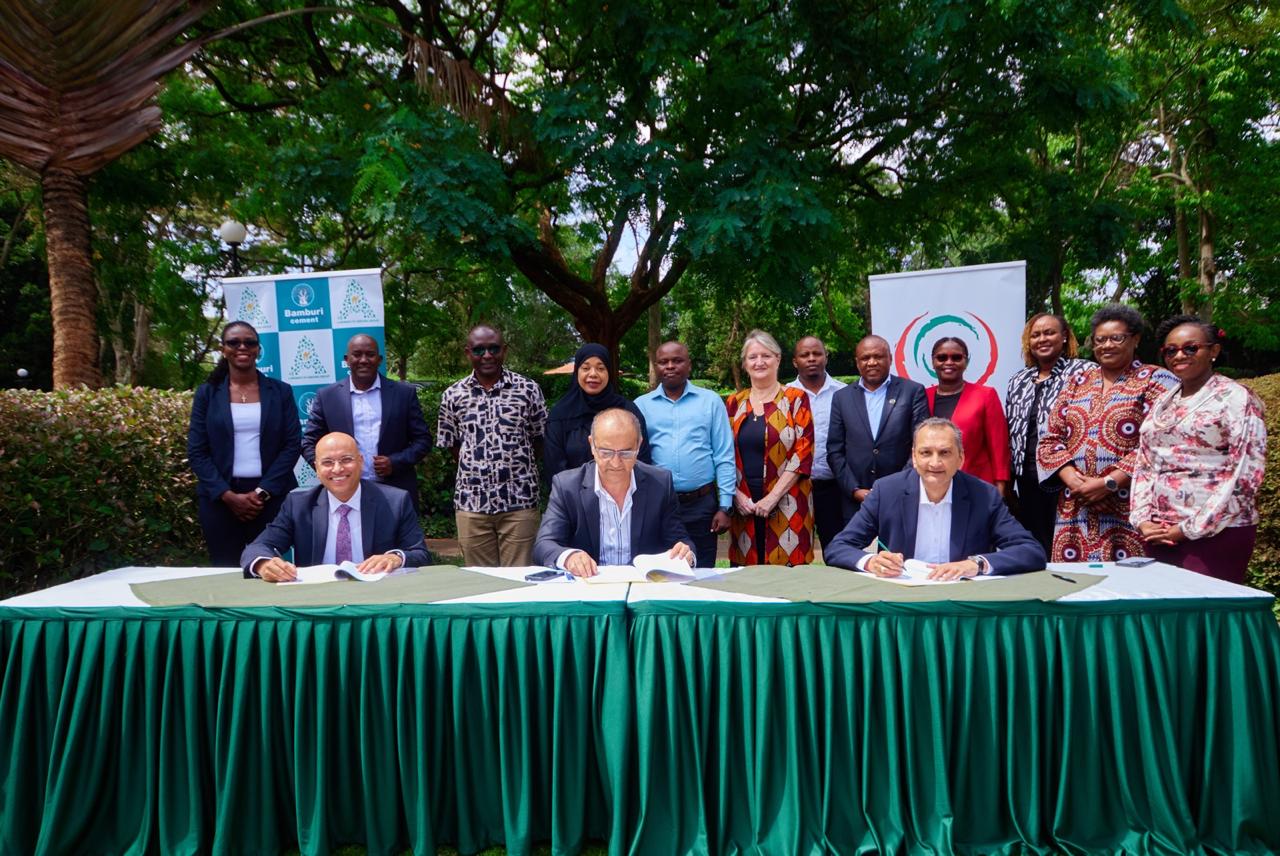
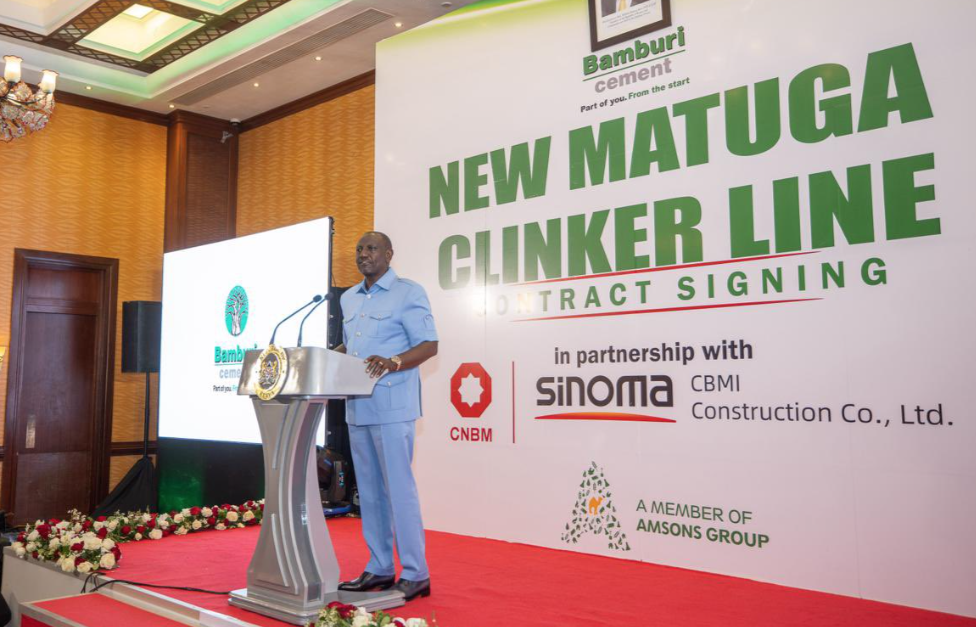
The President made the remarks in Nairobi when he witnessed the signing of a contract for the development of Bamburi Cement’s new clinker line in Matuga, Kwale County.
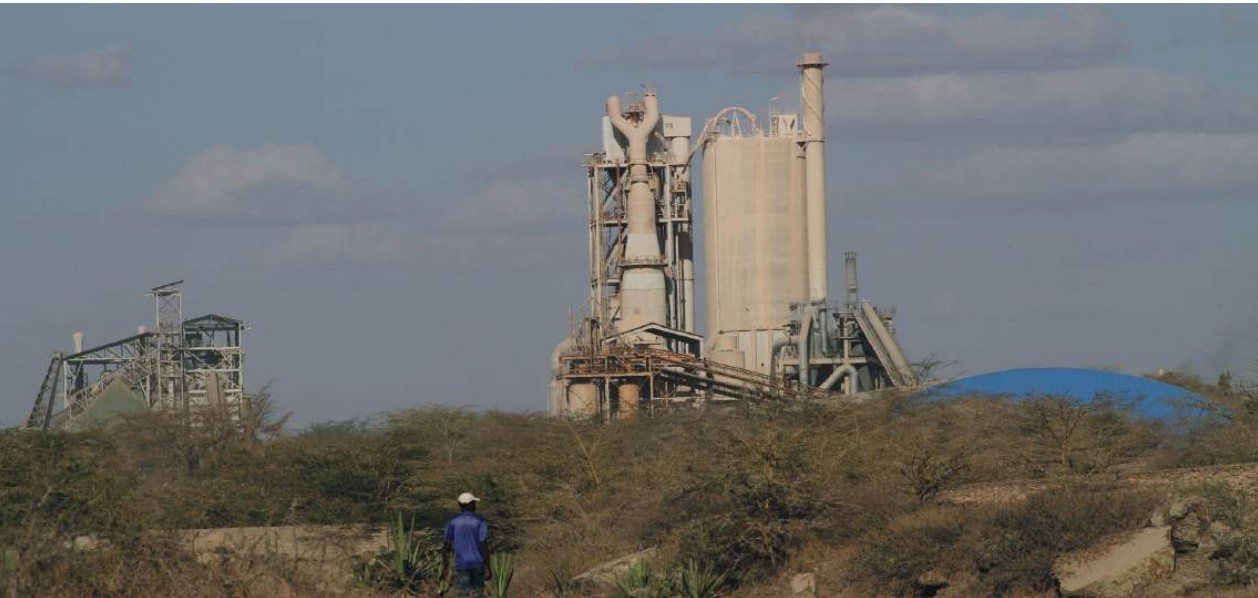
The project will be undertaken in partnership with SINOMA–CBMI Construction Co. Ltd, a global leader in cement engineering and construction.
Ruto said the cement industry underpins key sectors of the economy, observing that roads, power plants, dams, irrigation canals and factories all rely heavily on cement.
He described investments in clinker production as foundational to Kenya’s broader transformation agenda.
“Projects such as the Bamburi clinker line are therefore not isolated investments; they are foundational catalysts of our national transformation,” the President said.
He noted that the signing of the contract marks the start of a strategic industrial investment in Kenya’s cement sector, which remains a critical pillar of economic growth and infrastructure development.
According to Ruto, the sector supports major investments in housing, transport, energy and industrialisation.
“As Government, we recognise that strengthening clinker production capacity is fundamental to securing the cement value chain and safeguarding the long-term competitiveness of the sector,” he said.
The President said the partnership between Bamburi Cement and SINOMA–CBMI Construction Co. Ltd is expected to significantly boost domestic clinker production, reduce reliance on costly imports and enhance the competitiveness and resilience of Kenya’s cement industry.
He reiterated that industrialisation remains a cornerstone of Kenya’s economic transformation, adding that targeted investments such as the Matuga clinker line are essential to achieving sustained, inclusive and resilient growth.
Ruto also linked the investment to the government’s Affordable Housing Programme, describing it as one of the most ambitious social and economic interventions in the country’s history.
He said the programme has already created strong demand for construction materials, providing a boost to local industries.
“Currently, over 240,000 affordable housing units are under construction across the country, from urban centres to emerging towns, transforming skylines and livelihoods alike,” he said.
The President noted that the demand for cement, steel, fittings and other building materials generated by the housing programme is revitalising domestic supply chains, keeping value within the local economy and supporting job creation.
However, Ruto acknowledged that the cement sector is among
the most energy-intensive industries and a significant source of greenhouse gas
emissions.
He said the government views the Matuga clinker investment not only as a capacity expansion project but also as an opportunity to promote cleaner and more efficient production.
“We are encouraging improved energy efficiency in clinker production, adoption of cleaner fuels and modern technologies, and strict adherence to environmental, health and safety standards across operations,” he said.
Ruto added that balancing industrial growth with environmental sustainability will remain a key priority as Kenya accelerates its infrastructure and manufacturing agenda.