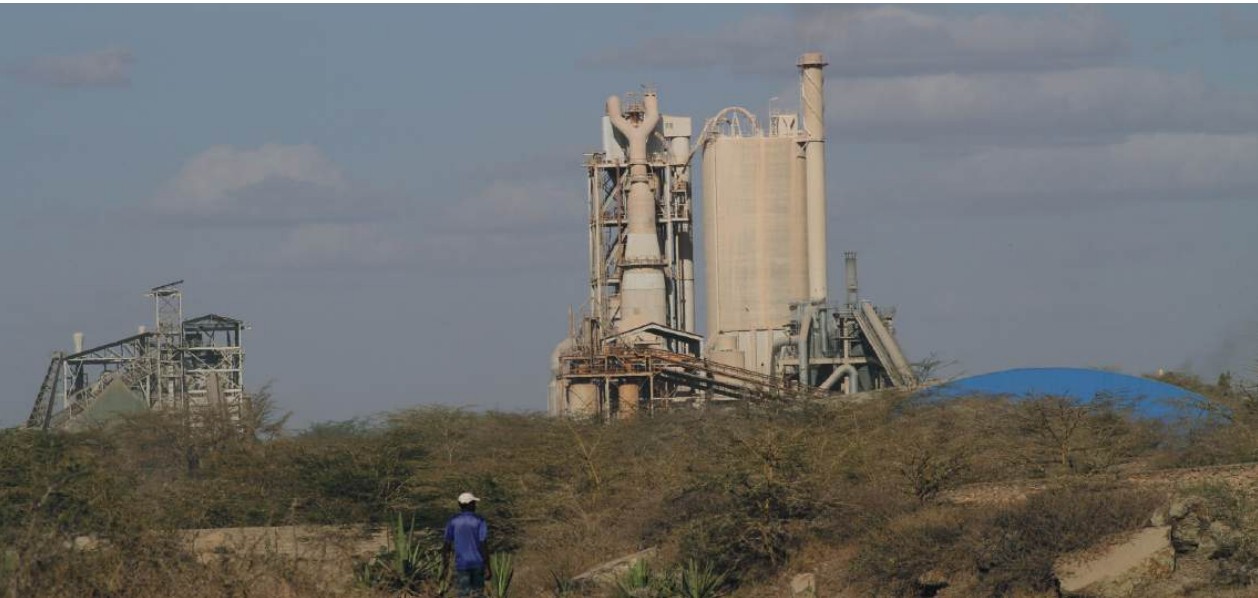
They have termed the deal a ‘rip-off’ that undervalues a
company sitting on thousands of acres of prime land.
They warn that the deal, brokered without a clear plan from
the buyer, could create a cement monopoly and cost jobs.
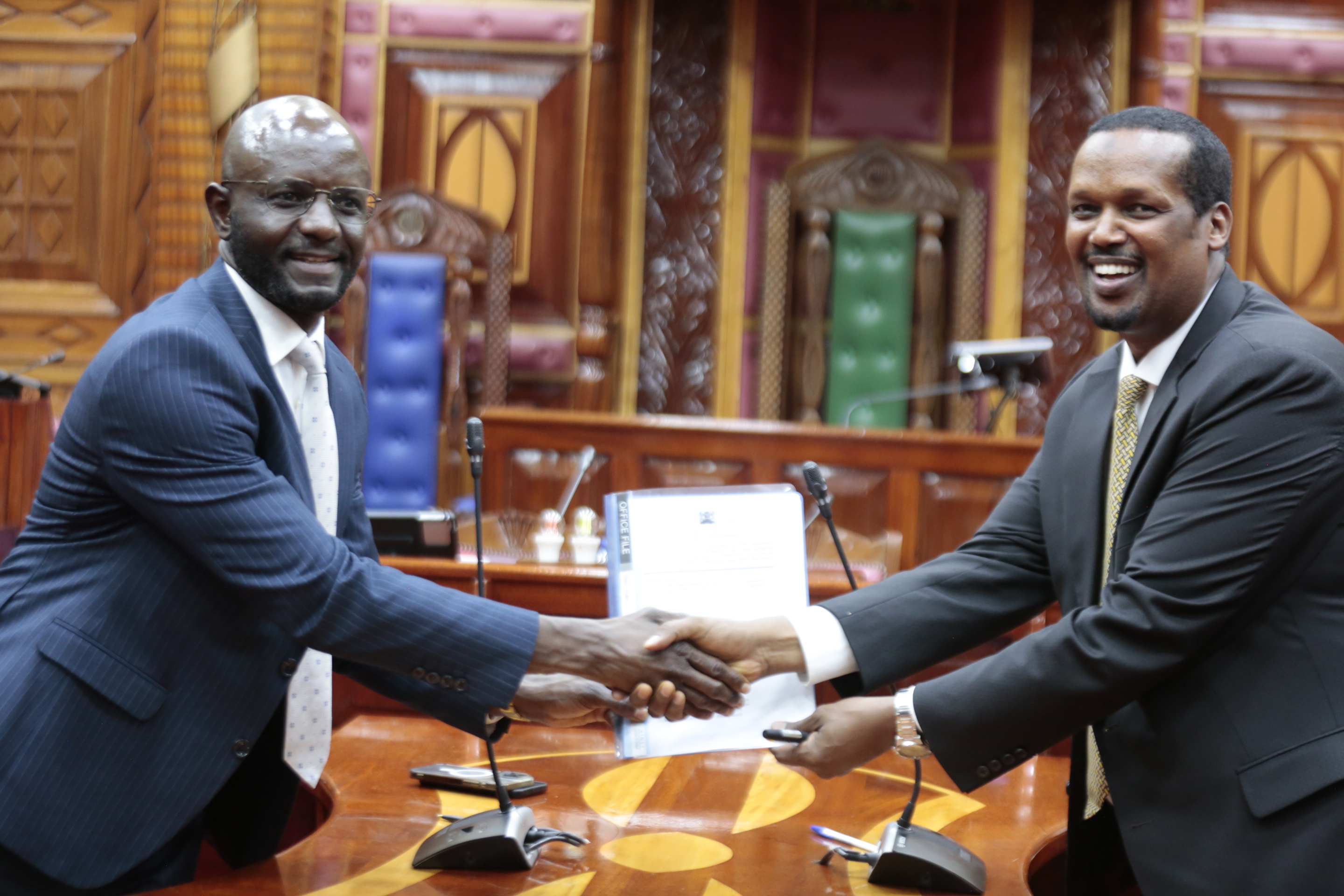
In a report, MPs at the Ikolomani MP Bernard Shinali-led
Trade Committee have flagged regulatory gaps, controversial exemptions and
worrying omissions in the proposed sale.
The lawmakers are sounding the alarm over hidden
clauses, silent assumptions and lack of due diligence in the sale process.
They hold that the gaps could hand absolute control of a
national strategic asset to a single private entity at a throwaway price.
The transaction involves a Swiss multinational, Holcim
Group, which is selling its 29.2 per cent stake in EAPC, a publicly listed
cement company.
It is selling it to Kalahari Cement Limited at Sh27.3
per share, totalling about Sh718.7 million. MPs are concerned about the price discrepancy.
They argued that there is no independent valuation
provided to justify the price, saying the shares would have traded at Sh58.7.
The top concern is that Kalahari’s ultimate
beneficial owner, Edhah Munif, already controls Bamburi Cement, which
holds 12.5 per cent of EAPC.
This would see Kalahari control 41.7 per cent, which includes
the direct acquisition and 12.5 per cent held by Bamburi, which Kalahari
controls.
If successful, Kalahari would be the largest shareholder, surpassing NSSF (27 per cent), National Treasury (25.3 per cent), and minority
shareholders (6 per cent).
Among the controversies cited by MPs is that the Competition
Authority of Kenya (CAK) declared the transaction ‘not a merger’, hence there was no
competition.
Crucially, the market authority exempted the sale from
normal takeover rules, and the competition watchdog refused to review it.
MPs also argue that there was no public interest review or
assessment conducted despite EAPC’s strategic importance.
They also point out that the Attorney General was not consulted
and that there is no communication by Kalahari about post-acquisition plans.
MPs also hold that there are no shareholder agreements
in place to protect minority interests, and no strategic plan disclosed by
Kalahari.
The lawmakers are also concerned that there is no due
diligence information available to EAPC or the government.
Kalahari Cement successfully applied for exemption from
making a mandatory takeover offer to all EAPC shareholders.
The rule applies when an entity acquires effective
control of 25 per cent or more of a listed company. It is what shields minority
shareholders.
MPs hold that CMA did not objectively verify Kalahari’s
technical capacity, track record or strategic plans.
“A determination by CMA… must go beyond the applicant’s
declaration,” the report states.
"CMA must objectively test the investor’s intention, technical competence, strategic capacity and track record."
MPs argue that the exemption created a backdoor for a de
facto takeover without the scrutiny, cost or shareholder protections of a
formal one.
They warn that Kalahari’s current declaration that it
does not intend to take over EAPC does not preclude future acquisitions.
CAK’s analysis focused narrowly on whether the 41.7 per
cent shareholding conferred veto rights or ‘decisive influence’ as strictly
defined in the Competition Act.
Since it did not cross the 50 per cent threshold or guarantee
specific veto powers, CAK concluded there was ‘no change of control’.
Consequently, CAK conducted no competition or public
interest assessment, a move the committee calls a ‘regulatory vacuum’ for a
strategic sector.
“The substance of the transaction, the aggregation of a
41.7 per cent stake under a single beneficial owner, raises significant
questions,” the EAPC board itself noted.
MPs on December 4 resolved to shelve the report, saying
it had weighty matters that could not be rushed.
In the ensuing debate, members said the report spoke to various
risks and cited a lack of transparency in the dealings.
“The assets of this nation must be protected by this
House,” Kitutu Masaba MP
Clive Gisairo said.
"There are shadowy figures that are buying government entities, and this House cannot turn a blind eye to that. We are not going to sell our assets at a throwaway price. What will we leave behind for our children?"
Both EAPC’s management and the Trade ministry said they have received zero communication from
Kalahari regarding its plans for the company.
The Industry PS confirmed the ministry has ‘no
visibility’ into the buyer’s strategy, meaning there is no information of employment
guarantees for the current EAPC workers.
There is no clarity on investment commitments and
safeguards against asset stripping, either.
“The buyer’s long-term plans, employment levels, wages,
benefits, capital investment and its approach to valuation and corporate
governance remain unclear and unknown,” the committee observed.
Kalahari is poised to become the dominant force in the
boardroom, potentially nominating two directors without having to disclose a
single page of its business plan to the government or the pensioners of NSSF.
“I am aware that the East African Portland sits on about
5,000 acres of land in the Athi River and Kitengela areas,” Wajir East MP Aden
Mohammed said.
"Land in that area is about Sh5 million per acre. The company's value should be at least Sh25 billion. Therefore, selling Sh27 per share is a rip-off."
Aldai MP Marianne Kitany added her warning: “If that
happens, EAPC will be about 80 per cent owned by Kalahari. That will bring out
the issue of dominance. Abuse of the dominance can then easily occur in the
cement industry.”
The Office of the Attorney General said it was not consulted on the transaction.
“The office has not been provided with the terms of the transaction,” it stated, and, therefore, could not advise on whether it protected citizens from “exploitation
or loss of strategic assets”.
The committee, however, endorsed a buyback of Hoclim’s share, saying
it aligns with the privatisation programme and would promote economic
participation and local ownership.
Machakos MP Joyce Kamene vouched for the Kenya-first
approach.
“It has come out clearly that Kalahari Cement Ltd is owned
by individuals from Tanzania,” she said.
"How do you give foreigners the first preference to buy shares belonging to a company in Kenya, whereas Kenya Portland was ready to buy these shares?"