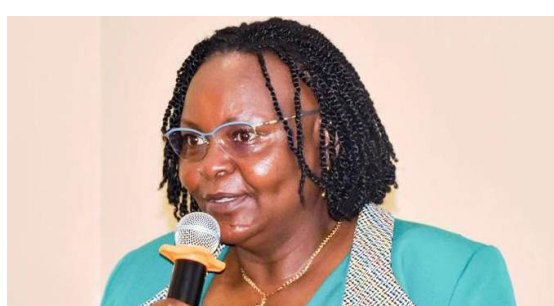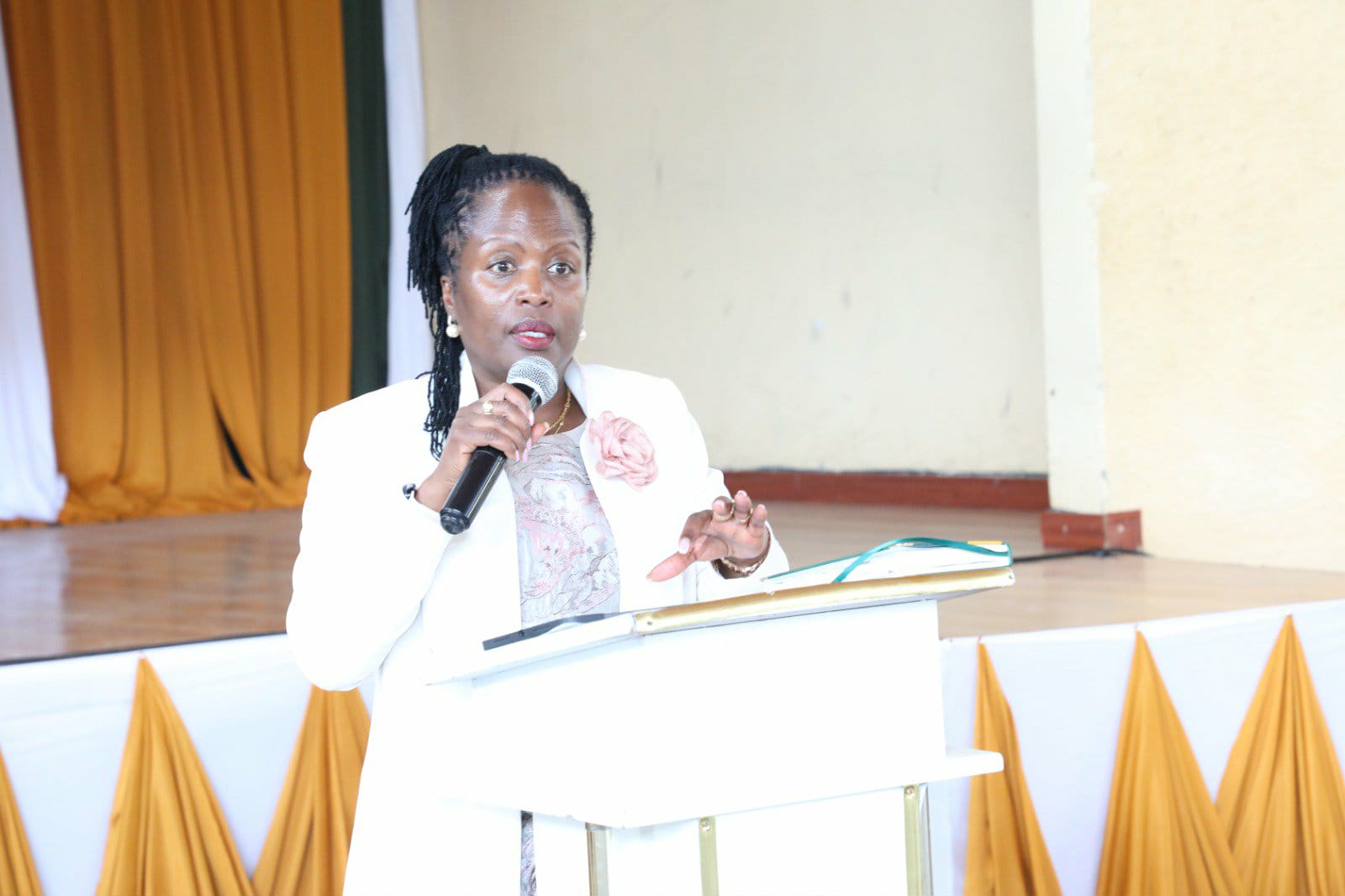
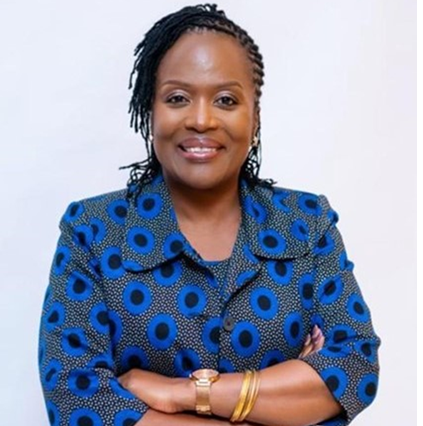
 Chief Registrar Winfridah Mokaya / HANDOUT
Chief Registrar Winfridah Mokaya says the country is facing a national ethical crisis that needs urgent fixing
Kenya is experiencing a national ethics crisis with a rapidly declining national perception of unethical conduct among key institutions, Chief Registrar of the Judiciary Winfridah Mokaya has said.
Mokaya said it was alarming that 56 per cent of Kenyans believe the Judiciary is corrupt and that 20 per cent of wananchi have actually been asked for a bribe.
“We must acknowledge the reality of a national ethical crisis,” Mokaya said when she addressed a gathering of judges of the High Court and partners in the justice sector in Nairobi on Monday.
She cited the National Ethics and Corruption Survey report of 2024,
which showed that the perception of unethical conduct had risen from 57 per
cent to 67 per cent in just a year.
“This should alarm all of us. Our constitution elevates ethics to an entire chapter and that is not accidental. It is a clear instruction from the people of Kenya that integrity, accountability and moral clarity must define public service,” she said.
The High Court’s annual human rights summit was convened under the theme of ‘Upholding Human Dignity: Ethical Leadership as a pillar of Constitutionalism’. It is intended for judges of the High Court to interrogate their own ethical foundations.
“By doing this, the High Court has chosen honesty over comfort, introspection over self-preservation and continues to remind the nation that despite our imperfections, the judiciary remains self-examining, self-critical and willing to confront difficult conversations,” Mokaya said.
She said the Judiciary has made tremendous gains in the fight against corruption with judges making courageous and purposive interpretations of the law on asset recovery, economic crimes, conflict of interest and accountability.
“When our courts speak with moral clarity, the nation finds its footing.”
She said the Judiciary remains a corruption-free zone with major administrative reforms that have made cash bail refunds faster and predictable and with continuous payroll audits to seal loopholes for leakages to ensure accountability.
Mokaya urged judges to be courageous in confronting uncomfortable truths so as to raise the judiciary’s ethical standards.
“Our benchmark cannot be the conduct of others because our calling is higher, higher in discipline and higher in accountability.”
International Commission of Jurists chairperson Christine Alai told the judges to always uphold human rights to safeguard against abuse of power.
“Across our continent, courts remain both the last refuge of the people and the first casualty of authoritarian drift,” Alai said.