The Judiciary is seeking a budget
allocation of at least Sh49 billion in the next financial year to ensure
efficient deployment of officers, automation of its services and for
infrastructure expansion.
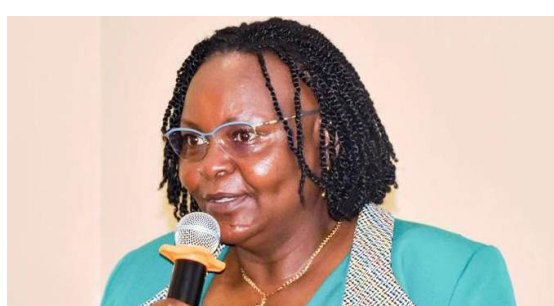
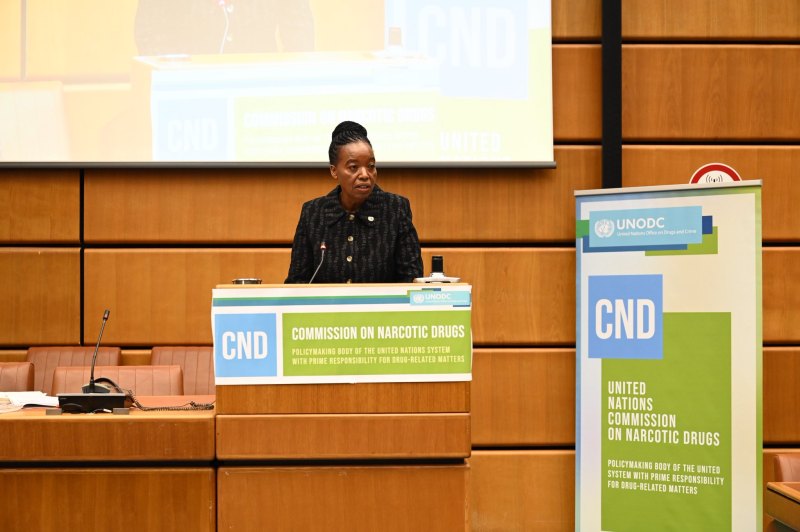
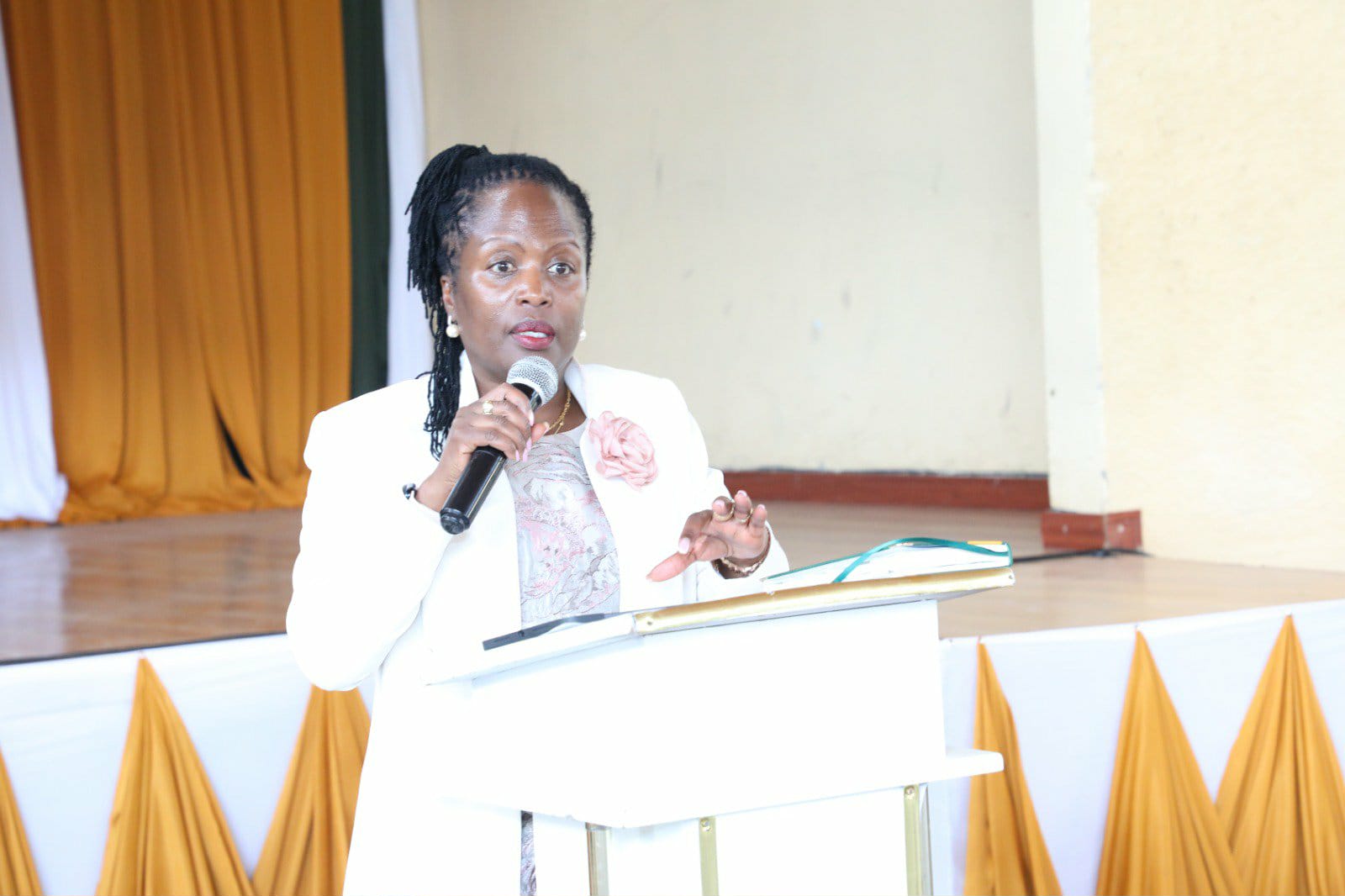
Chief Registrar Winfrdah Mokaya on Monday told a public
participation hearing in Nairobi that budget gaps continue to hinder its
expansion programmes and suffocate its service delivery in the Judiciary.
Mokaya said, for instance, that there is a pressing need to
decongest urban courts, particularly in Nairobi, which handles nearly a
quarter of Kenya’s total caseload.
With a resident population of 5.4 million people and another 2.5
million daily commuters, Nairobi’s courts face heavy workloads, ranging from
commercial disputes and traffic cases to family, children and constitutional
matters.
To ease these pressures, Mokaya said the Judiciary has
prioritised completion of new court buildings in Kasarani, Mihango, Huruma
and continues to invest in specialised courts, including the Gender Justice,
Anti-Corruption, Children’s and Small Claims Courts.
“The Judiciary has proposed a budget of Sh46 billion for the
financial year 2026-27, equivalent to 0.7 per cent of the national budget.
However, the indicative allocation of Sh29 billion leaves a shortfall of Sh17
billion,” Mokaya said.
She spoke during the conclusion of the Judiciary’s nationwide
public budget hearings for the 2026-27 financial year at Jericho Hall in
Makadara constituency, Nairobi.
She said there was urgent appeal for increased funding to
strengthen justice delivery systems across the country.
Mokaya said public participation is not merely a constitutional
requirement but a partnership between the people and the institution that
exercise judicial authority on their behalf.
“Judicial authority is delegated by the people, and with that
delegation comes an unqualified obligation to account for how resources
entrusted to us are deployed. We therefore appear before you as stewards of a
public trust ready to present our performance for the last financial year and
the investment proposals for the year ahead,” she said.
Mokaya singled out security as a foundational pillar of judicial
independence, warning that unsafe court environments hinder judges, staff,
litigants, survivors of crime, children and the general public from fully
engaging in justice processes.
She reaffirmed the Judiciary’s commitment to digital
transformation through expansion of e-filing, digitised registries and the
Case Tracking System (CTS).
Investments in alternative justice systems, mobile courts, and
alternative dispute resolution (ADR) also remain top priorities.
“Our proposals are geared towards building a future-ready
justice system,” Mokaya said, noting that improved funding would translate to
faster case resolution, reduced backlogs, strengthened security and better
protection for vulnerable users.
Finance Directors from the Judiciary and the Judicial Service
Commission briefed the forum on key performance highlights and the proposed
budget.
Deputy Chief Registrar Paul Ndemo, along with registrars and
directors, were also present at the forum.
Other representatives included officers from the county
commissioners office, the Nairobi county assembly, the Law Society of Kenya, Office
of the Director of Public Prosecutions, National Police Service, Prisons
Service, Probation, People with Disabilities, children from borstal institution
and religious institutions shared views on enhancing access to justice.
The Judiciary had conducted similar public participation hearings in Lodwar, Ol Kalou, Migori and Chuka towns.