



Kenya witnessed some of the worst human rights violations in its recent history in 2025, even as pockets of progress were recorded during the year, according to two major reports released by monitoring organisations.
The Kenya National Commission on Human Rights (KNCHR) and
the CIVICUS Monitor both noted that a combination of unmet social and economic
rights, rising economic hardship, and aggressive state responses to public
dissent fuelled a surge in abuses that cut across civil, political, and group
rights.
The KNCHR’s State of Human Rights in Kenya (December 2024–December 2025) report observes that prolonged economic distress played a central role in driving frustrations, insecurity, and pockets of civil unrest across the country.
These conditions, the commission said, had direct impacts on the rights to life, assembly, expression, and association as more Kenyans—especially young people—took to the streets to demand greater accountability and relief.
According to the report, KNCHR received and processed 2,848 complaints of alleged human rights violations in the period under review. Violations of Economic, Social and Cultural (ECOSOC) rights topped the list with 1,381 complaints, followed by 1,173 cases linked to civil and political rights.
A further 299 complaints involved violations of group rights. These trends, the Commission noted, reflected a society grappling with the rising cost of living, unemployment, and inadequate access to essential services.
Under Article 43 of Kenya’s Constitution, Economic and Social Rights include the right to the highest attainable standards of health, water, food, education, social security, and housing—areas in which many Kenyans reported increasing hardship.
The CIVICUS Monitor, in its People Power Under Attack 2025 report, echoed these concerns, pointing to a pattern of youth-led demonstrations against economic hardship that were met with brutal state repression across the East African region.
“Youth-led movements and demonstrations against economic hardship in the East African region have frequently been met with brutal repression, including mass arrests and fatalities,” the report noted.
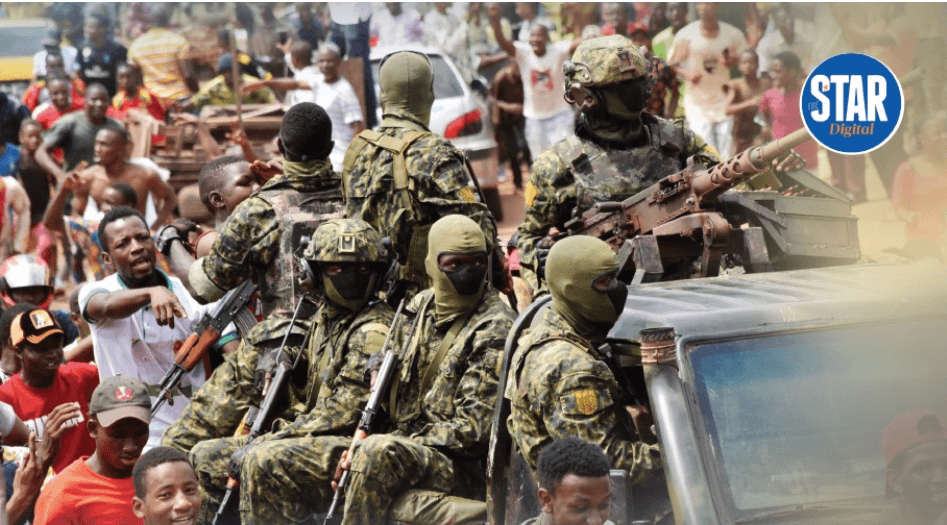
In Kenya, demonstrations held in June and July 2025 to commemorate the 2024 anti-tax protests were met with lethal force by authorities.
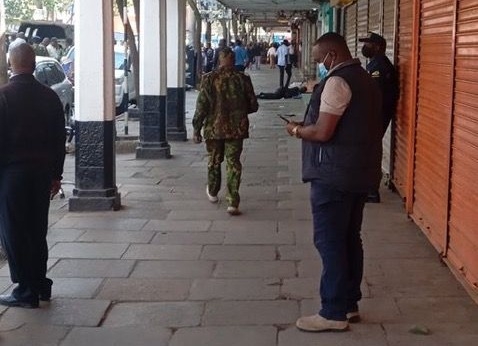
The CIVICUS report documented at least 65 deaths and more than 600 injuries linked to these protests. It further indicated that more than 1,500 people were arrested, with some facing terrorism-related charges. In one incident on June 17, 2025, a bystander was killed and 25 others hospitalised after police allegedly used live ammunition to disperse crowds.
According to CIVICUS, state responses were not limited to the deployment of police.
Authorities were accused of deploying armed gangs alongside security officers to attack protesters.
The report additionally argued that Kenya, Uganda, and Tanzania had “forged an authoritarian alliance” aimed at suppressing civic freedoms in the region.
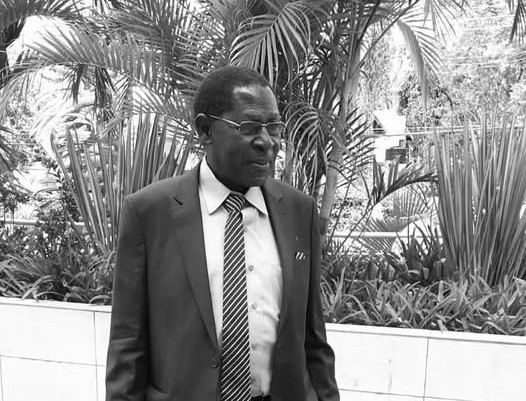
One of the most disturbing incidents cited was the abduction of prominent Ugandan opposition leader Kizza Besigye from Nairobi in what the report described as a coordinated operation between Kenyan and Ugandan authorities.
“He was illegally rendered to Uganda to face charges in a military court, a move that circumvents civilian legal protections and demonstrates the misuse of state security apparatus to neutralise political opponents,” the report said.
The CIVICUS Monitor also highlighted alleged abuses involving Tanzanian military agents, who reportedly abducted, tortured, and sexually assaulted Kenyan activist Boniface Mwangi and Ugandan journalist Agather Atuhaire while they were in Dar es Salaam to observe the trial of opposition figure Tundu Lissu.
These cases, the report argued, illustrated “a shocking display
of regional impunity.”
Kenyan authorities were further criticised for the unlawful deportation of Martin Mavenjina, a senior legal advisor at the Kenya Human Rights Commission, an action widely viewed as politically motivated.
“These events collectively paint a picture of an alarming authoritarian alliance,” the report added.
The KNCHR report also documented a rise in abductions and enforced disappearances during the protests.
It cited instances of heavy police deployment in Mombasa, Uasin Gishu, Embu, and Nairobi counties, where officers violently disrupted peaceful demonstrations.
As a result, 661 demonstrators sustained injuries, and 149 people were arbitrarily arrested and detained in various police stations.
The Commission acknowledged the Judiciary for ensuring timely release on bail and bond for most of those arrested and commended the Office of the Director of Public Prosecutions for dropping charges against many of the suspects.
However, it expressed concern that numerous police officers deployed during the operations were hooded, and several police vehicles had concealed or missing registration plates.
“This is in contravention of the Malindi High Court Ruling prohibiting police from concealing their identity while on duty,” KNCHR noted.
The report further observed the presence of masked hired perpetrators of violence riding on motorbikes, who it said had been deployed to brutalise protesters and innocent bystanders.
The Commission called for “thorough and expeditious investigations into individuals responsible for mobilising and deploying perpetrators of violence against peaceful demonstrators, and for them to be held fully accountable under the law.”
Beyond the protests, KNCHR highlighted a significant rise in attacks against journalists.
The Media Council of Kenya’s 2025 press-freedom review recorded numerous cases of assaults, threats, denial of access to information, and temporary shutdowns of media operations, particularly during public demonstrations and major national events.
“Throughout the year, journalists covering demonstrations in
places like Majengo, Molo, and Nyeri, as well as national events such as the
Madaraka Day celebrations in Homa Bay, were subjected to violence and
intimidation from both police officers and hostile groups,” the report stated.
Children were not spared from the year’s human rights violations. The Commission cited security attacks against students of Butere Girls’ High School during the Kenya National Drama Festivals, where their play Echoes of War—which explored themes of governance, national values, and the after-effects of conflict—was violently disrupted.
Despite a High Court order granting permission for the performance, law enforcement officers dispersed the audience using tear gas and live ammunition, effectively stopping the play and shutting out both the public and media.
The events of June 25 (Maandamano) and July 7 (Saba Saba) 2025 were particularly emblematic of the year’s broader human rights challenges
The KNCHR noted serious concerns including the disproportionate use of force by security agencies, indiscriminate dispersal tactics, profiling of young protesters, and increased digital surveillance and online suppression of dissent.
Taken together, the two reports portray a troubling portrait of Kenya’s human rights landscape in 2025—one marked by widespread violations, shrinking civic space, and rising risks for activists, journalists, and ordinary citizens.
Yet they also highlight areas where institutions, particularly the Judiciary, attempted to uphold constitutional protections.