

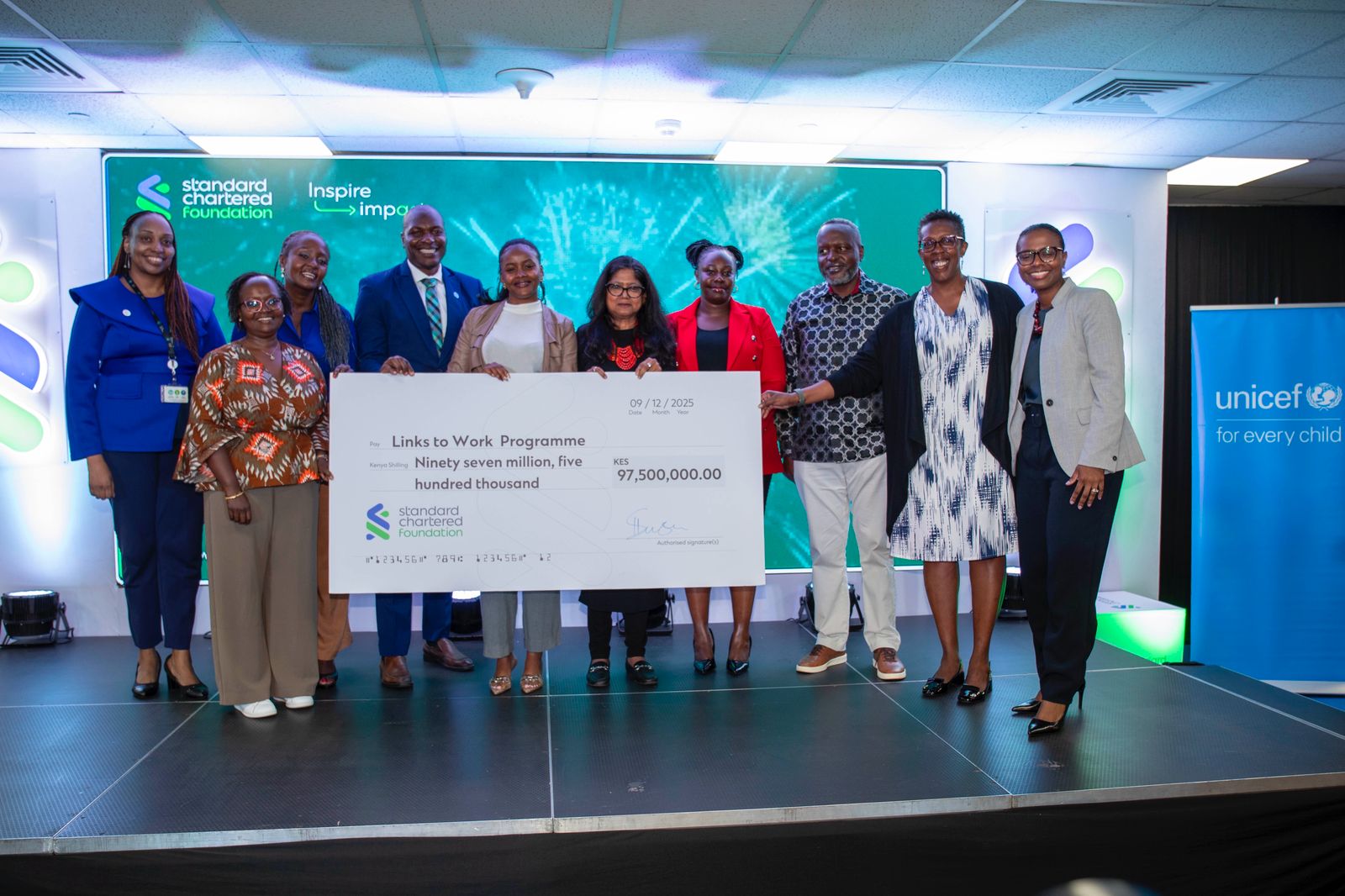
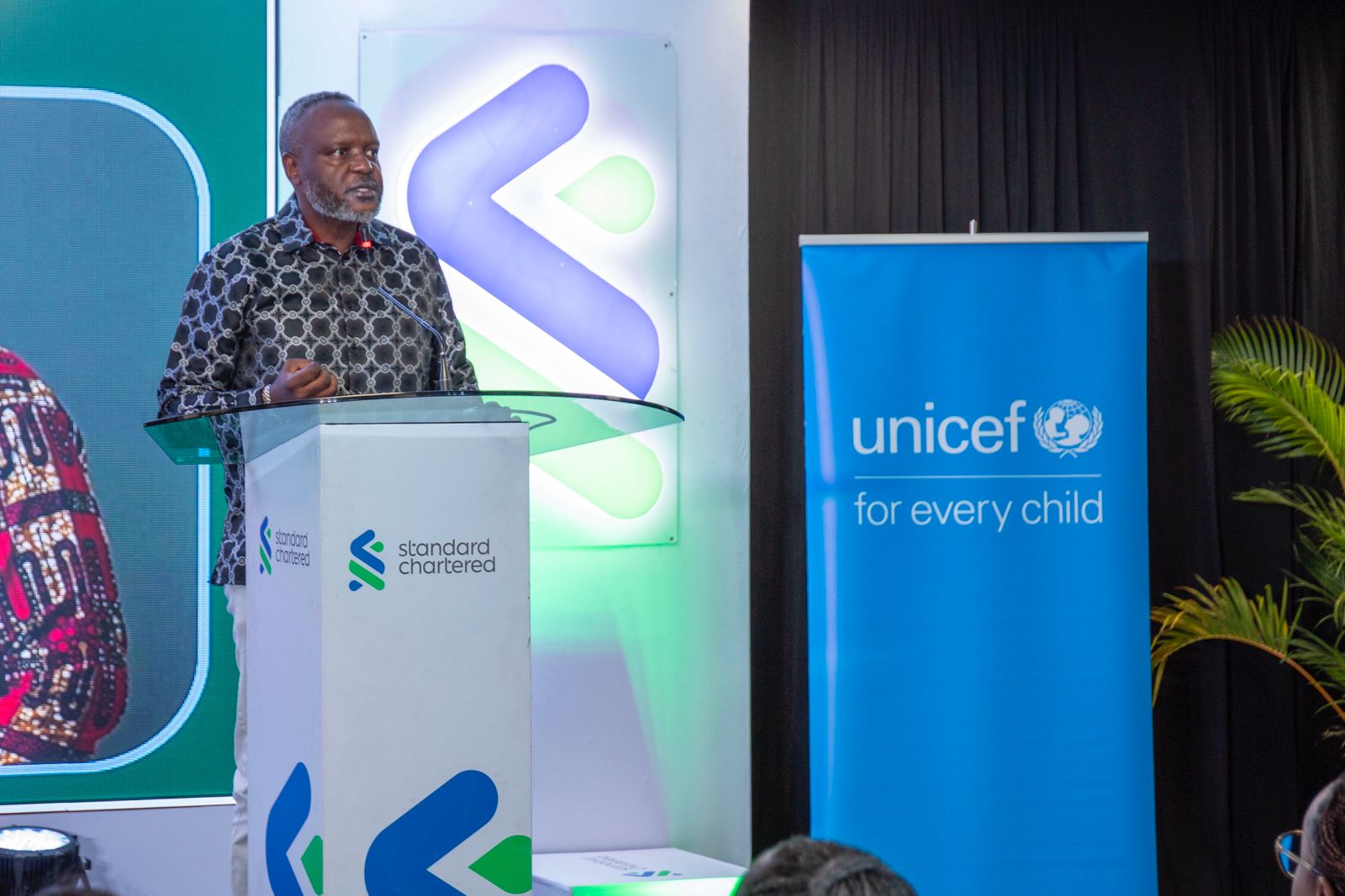
 Standard Chartered Bank CEO Kariuki Ngari, UNICEF Kenya Representative Dr Shaheen Nilofer with other officials during the official
launch of the partnership between Standard Chartered Foundation and
UNICEF to secure jobs for 750 youth, at STANCHART HQs, Nairobi on
December 9, 2025/HANDOUT
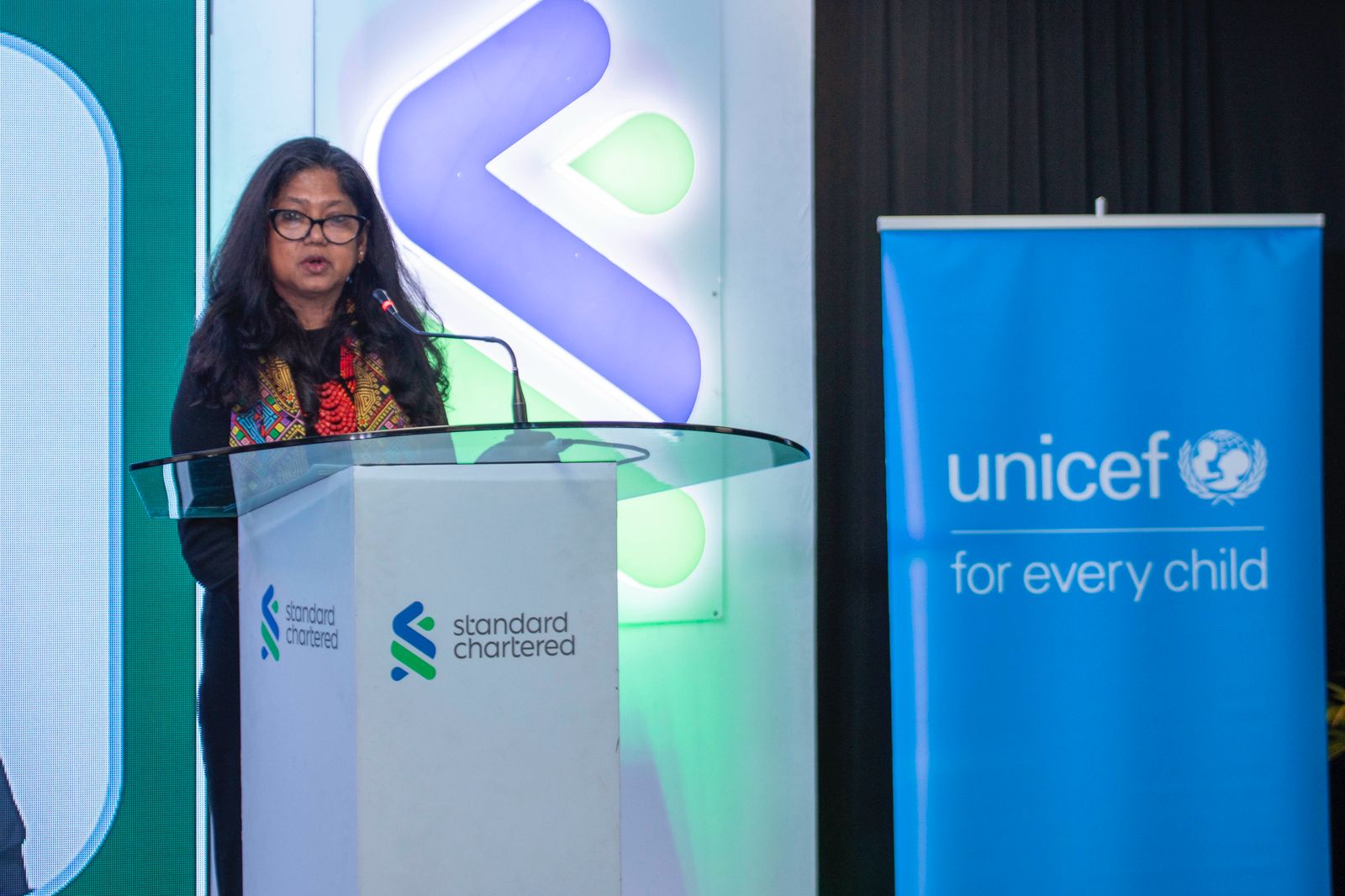
Standard Chartered Bank CEO Kariuki Ngari, UNICEF Kenya Representative Dr Shaheen Nilofer with other officials during the official
launch of the partnership between Standard Chartered Foundation and
UNICEF to secure jobs for 750 youth, at STANCHART HQs, Nairobi on
December 9, 2025/HANDOUTThe Standard Chartered Foundation and UNICEF’s Generation Unlimited on
Tuesday announced a three-year partnership aimed at securing 750 decent jobs
for young women in Kenya.
The initiative is targeting the country’s persistently high youth
unemployment rates.
The programme, supported through a Sh97.5 million investment by the Standard
Chartered Foundation, will focus on women aged 18 to 24 from underserved
backgrounds.
The initiative will build on UNICEF GenU’s existing skilling ecosystem and
linking trained youth directly to employment opportunities.
Announcing the initiative, Standard Chartered Kenya CEO Kariuki Ngari said
the collaboration brings together UNICEF’s training infrastructure and the
bank’s long-standing focus on employability.
“This partnership reflects our strategic commitment to unlocking economic
opportunity for young people through decent employment,” he said. The programme
is known as Links to Work.
“By combining UNICEF’s extensive skilling ecosystem with our work readiness
and vocational training, we are building a model that connects talent and
training to real jobs.”
UNICEF will work with local job-matching agencies and county-level partners
to identify private sector openings while also exploring placements through
government initiatives based on local labour needs.
The programme will select its beneficiaries from young women who have
already undergone skills training under UNICEF GenU’s various platforms.
Ngari said the bank’s commitment to young women is backed by clear economic
evidence.
“When women have access to employment and income, communities stabilise. We
are passionate about helping move the needle on women’s access to
opportunities,” he said.
“We want to ensure that when young women walk into an interview, the panel
sees potential and opens the door.”
UNICEF Kenya Representative Shaheen Nilofer said the initiative complements
national efforts to tackle youth unemployment, including the recently launched
National Youth Opportunities Towards Advancement (NYOTA) programme supported by
the World Bank.
“UNICEF Kenya is proud to partner with the Standard Chartered Foundation to
support young women gain access to skilling and decent work opportunities,” she
said.
Speaking during the launch, Nilofer said most young women in Kenya continue
to face structural barriers to employment, including limited networks, mobility
challenges and hiring biases.
She noted that two-thirds of youth globally who are neither in education,
employment nor training are young women.
“Two-thirds of young people globally who are not in education, employment or
training are young women,” she said.
“Their only demand is to be heard, and that we design programmes that
resonate with their ambitions.”
“This is a challenge for the entire nation,” she said. “When we invest in
the skills and potential of youth, we shape thriving communities.”
She noted that young women continue to face the biggest barriers in Kenya’s
labour market.
Nilofer said Kenya’s demographic realities make the programme urgent.
“Seventy-five per cent of Kenya’s population is under 35. Over one million
young people enter the job market every year, many without the skills employers
need,” she said.
“The GDP means nothing unless we see results for young people.”
UNICEF’s Innovation Manager, Charles Otine, said the programme is designed
to address both sides of the job market, supporting young women to build
critical job readiness skills and working directly with employers to secure
placement opportunities.
“Many young people graduate without ever facing an employer, without knowing
how to communicate their strengths,” he said.
“Links to Work will close this gap
by providing mentorship, career guidance and clear pathways to actual jobs.”
Otine said the initiative will target 1,500 job placements across Kenya and
Nigeria. In Kenya, the goal is to secure at least 750 decent jobs.
He added that 3,000 young women are expected to benefit from mentorship,
career development and job preparation support.
Standard Chartered’s Head of Corporate Affairs, Brand and Marketing for
Kenya and Africa, Joyce Kibe, said the partnership builds on the bank’s
Futuremakers initiative, which has so far supported more than 55,000 youth in
the region, 89 percent of whom are women.
She cited programmes such as Women in Tech and business acumen training
under the RISE initiative.
“If we back young women with the right skills, the right networks and
finance, we will transform their lives and the economy,” she said.
The partners said the new initiative aims to leverage Kenya’s high mobile
penetration, over 90 percent, to deliver scalable digital skills,
entrepreneurship training and job-matching tools.
The programme will draw beneficiaries from UNICEF GenU’s existing training
initiatives, including digital skills, green skills and girl-centred pathways,
and will also work with local job-matching organisations to identify
demand-driven opportunities in the private sector.
The partnership builds on a network of ongoing
UNICEF programmes such as BGRE (Building Green, Resilient Enterprises), which
supports youth entrepreneurship, and YOMA, a digital platform offering
verifiable skills and livelihoods opportunities.
UNICEF and the Standard Chartered
Foundation said the new partnership is designed to create sustainable,
employer-driven pathways for women who remain disproportionately excluded from
job opportunities due to limited networks, mobility challenges and structural
hiring biases.
“This partnership will go a long way,” Nilofer said. “When we invest in the skills and potential of young people, especially young women, we shape thriving communities and a stronger future for Kenya.”






.jpg&w=3840&q=100)