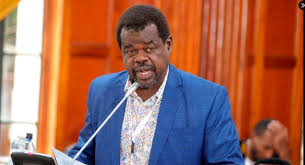
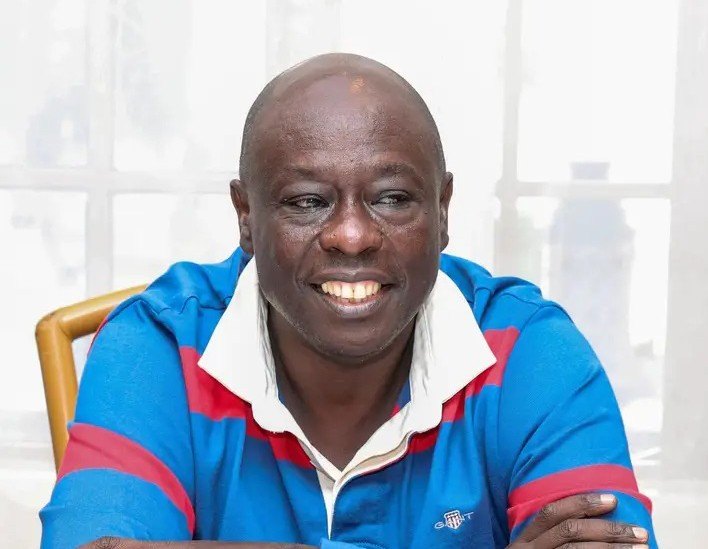
Busia Senator Okiya Omtatah
has filed a petition at the High Court seeking to nullify the Kenya–United
States Health Cooperation Framework, warning that the deal threatens Kenya’s
sovereignty, fiscal integrity, data security and citizens’ right to health.
Filed on Monday
at the Constitutional and Human Rights Division in Nairobi, the petition asks
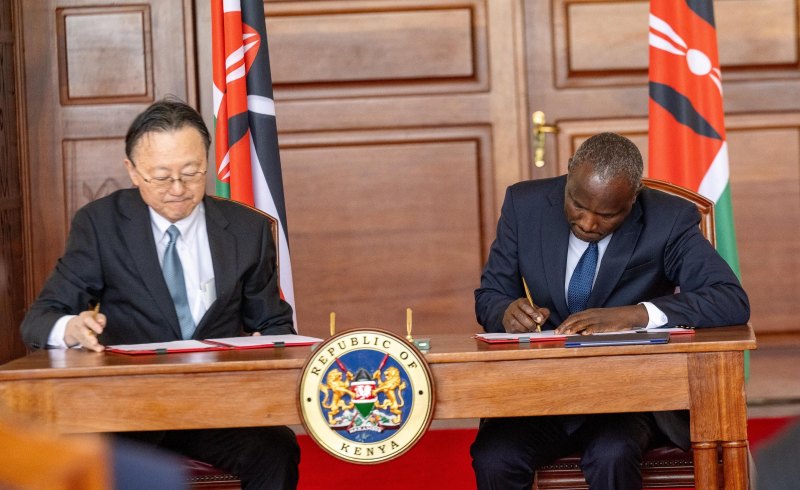
the court to suspend and ultimately void the framework, signed on December 4 in Washington DC by Prime
Cabinet Secretary Musalia Mudavadi for Kenya and US Secretary of State Marco
Rubio.
The government has described
the agreement as a transformative boost for Kenya’s health sector, bringing $1.6
billion (Sh212 billion) over five years to support medical equipment supply,
expanded insurance coverage, workforce expansion and essential commodities.
President William Ruto
hailed it as a major step toward strengthening health services.
But Omtatah paints a starkly
different picture. He argues the framework was “executed unilaterally by the
Executive, without parliamentary oversight, public consultation, or transparent
fiscal assessment,” bypassing constitutional safeguards and exposing Kenya to
long-term policy and financial risks.
“The framework was
negotiated in secret. Kenyans were denied a voice in decisions directly
affecting their right to the highest attainable standard of health under
Article 43(1)(a),” Omtatah says, stressing that no details on conditionalities,
budgetary implications, or national policy impacts have been disclosed.
Central to his case is the
claim that the agreement constitutes a treaty under Article 2(6) of the
Constitution and the Treaty Making and Ratification Act, 2012, and therefore
required parliamentary approval.
“By signing it without
Parliament, the Executive has usurped legislative authority and undermined the
sovereignty of the people,” he asserts.
The petition highlights
multiple financial red flags. The framework channels funds directly through
government institutions, creating “extra-budgetary streams” that evade
parliamentary oversight.
It also obligates Kenya to
progressively increase domestic health spending by Sh10 billion, Sh20 billion,
Sh35 billion, and Sh50 billion annually—binding future governments to
potentially unsustainable commitments.
Adding to the concern, the
agreement allows the US to reduce its contribution “on a 1:1 basis” if Kenya
misses spending targets, a mechanism Omtatah calls “foreign-controlled fiscal
discipline,” contrary to Articles 201 and 221.
The senator also raises
sovereignty and regulatory issues.
He notes clauses requiring
Kenya to accept US Food and Drug Administration approvals as “sufficient” for
local use, undermining the Pharmacy and Poisons Board.
The deal grants US
authorities broad audit rights over health facilities, supply chains, and
financial accounts, and mandates that Kenya notifies the US of epidemics within
24 hours and consult on response measures—blurring the line between cooperation
and foreign control over domestic health policy.
Data privacy is another
flashpoint. The petition cites provisions granting the US access to sensitive
health data from up to five per cent of facilities, including HIV, TB,
reproductive health, and genomic information.
Omtatah argues this violates
Article 31 of the Constitution and the Data Protection Act, warning that vague
oversight by the Data Protection Commissioner is insufficient to safeguard
privacy.
The framework also
interferes with labour and devolution frameworks, requiring absorption of over
28,000 donor-funded health workers by 2028, prescribing numbers and salaries,
and overriding county government authority.
On procurement, the deal imposes
transition deadlines and US oversight of Kemsa, overriding statutory procedures
and creating unfunded liabilities without parliamentary approval.
Omtatah calls “phoney and
deceptive” a key clause—stating the framework “is not an international
agreement and does not give rise to rights or obligations under international
or domestic law”— arguing it attempts to evade constitutional accountability
while creating binding financial and operational commitments.
He seeks several court
orders declaring the framework unconstitutional and void, prohibiting
implementation or disbursement of funds, compelling publication of the full
text, and requiring meaningful public participation for future health-sector
agreements. The petition also requests costs against the government and
temporary conservatory orders suspending the framework pending determination.
“This case is part of the
struggle to implement the Constitution of Kenya, 2010,” Omtatah says, framing
it as a defense of constitutional integrity, separation of powers, sovereignty,
and public finance law. He warns that failing to halt the framework could inflict
“great loss and damage” on Kenyans by implementing obligations without proper
legal oversight.
The respondents are Prime
Cabinet Secretary Musalia Mudavadi, Health CS Aden Duale, the National
Treasury, and the Attorney General, with Katiba Institute listed as an
interested party.
The High Court is yet to
give directions on hearing the urgent application and the main petition.

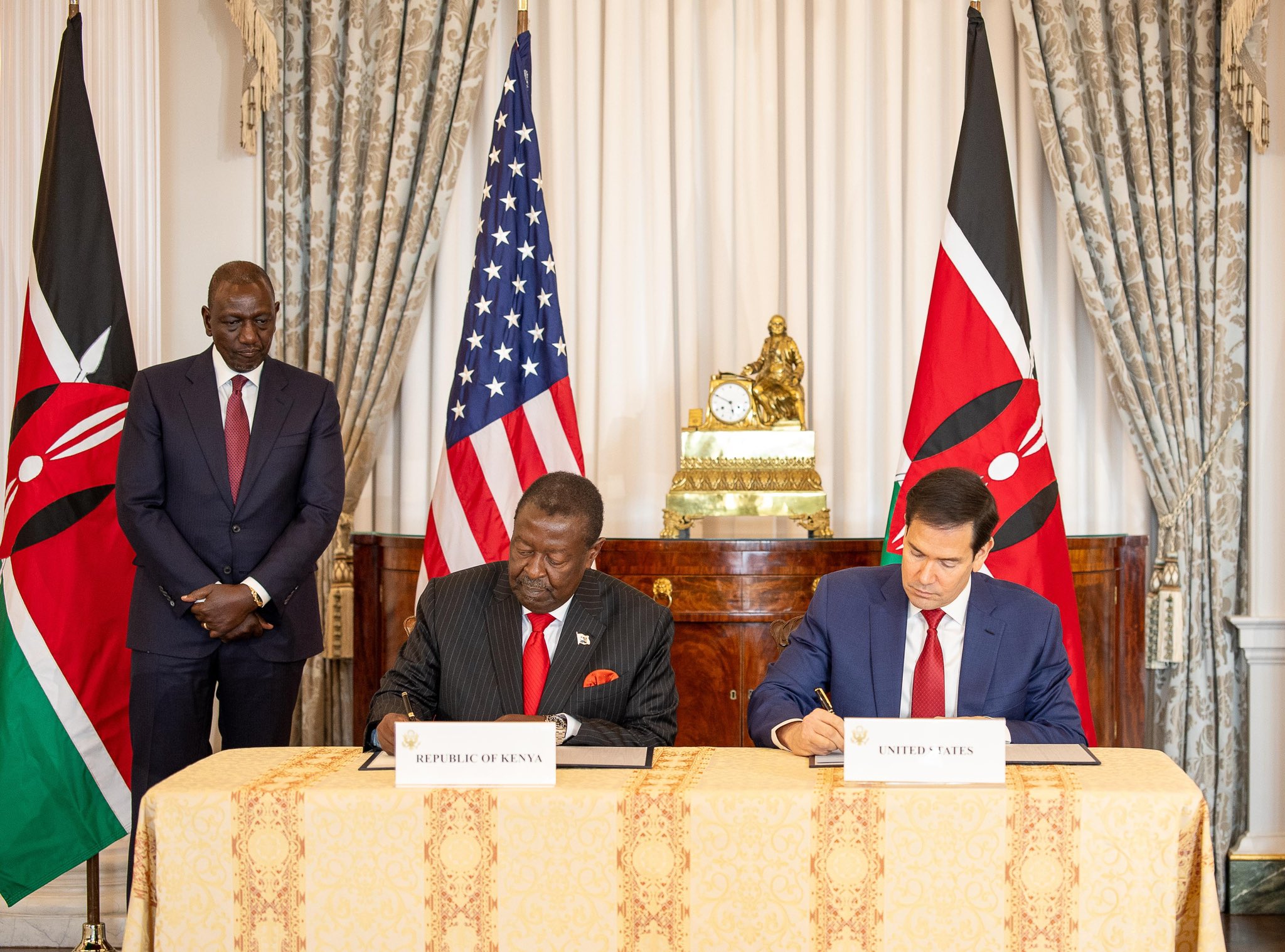 President
William Ruto
witnesses
the signing
the Kenya–
US Health
Cooperation
Framework by
Foreign Affairs
CS Musalia
Mudavadi and
Secretary of
State Marco
Rubio in
Washington DC,
United States,
on December
4 /PCS
President
William Ruto
witnesses
the signing
the Kenya–
US Health
Cooperation
Framework by
Foreign Affairs
CS Musalia
Mudavadi and
Secretary of
State Marco
Rubio in
Washington DC,
United States,
on December
4 /PCS