Kenya has emerged central to Washington’s new National Security Strategy in Africa amidst the geopolitical rivalry on the continent.
The strategy released in November adopts a shift from a blanket approach to Africa to an individual state's focus in Washington’s foreign policy on the continent, with Kenya among the top allies selected.
“The US should instead look to partner with select countries to ameliorate conflict, foster mutually beneficial trade relationships and transition from a foreign aid paradigm to an investment and growth paradigm capable of harnessing Africa’s abundant natural resources and latent economic potential,” the strategy says.
Among the opportunities Washington highlights for engagement include negotiating settlements to ongoing conflicts such as the DRC-Rwanda conflict and Sudan and preventing new ones such as between Ethiopia, Eritrea and Somalia.
The document also says the US will seek to amend its approach to aid and investment such as through the Africa Growth and Opportunity Act.
“The United States should transition from an aid-focused relationship with Africa to a trade- and investment-focused relationship, favouring partnerships with capable, reliable states committed to opening their markets to US goods and services,” it adds, further noting that critical mineral development would be an immediate area for US investment in Africa.
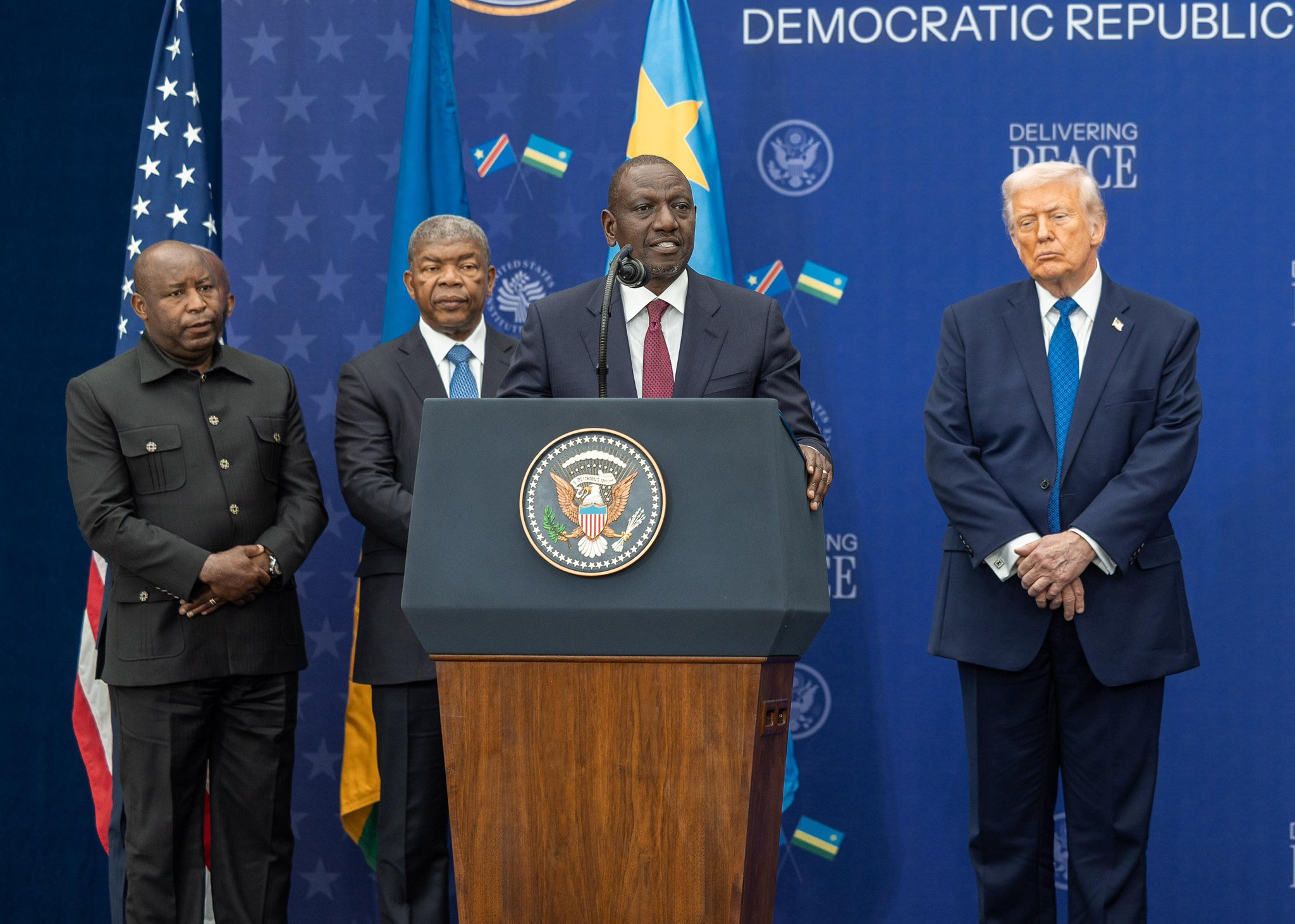
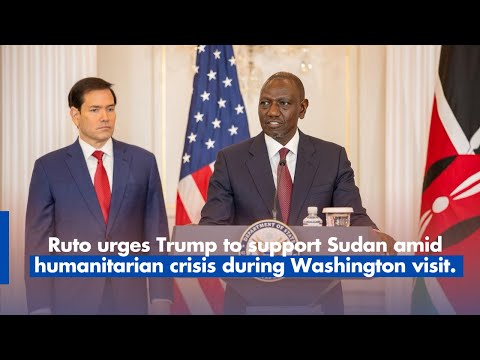
The new approach was evident during President William Ruto’s visit to Washington last week, where he acted as a guarantor of the DRC-Rwanda peace accord.
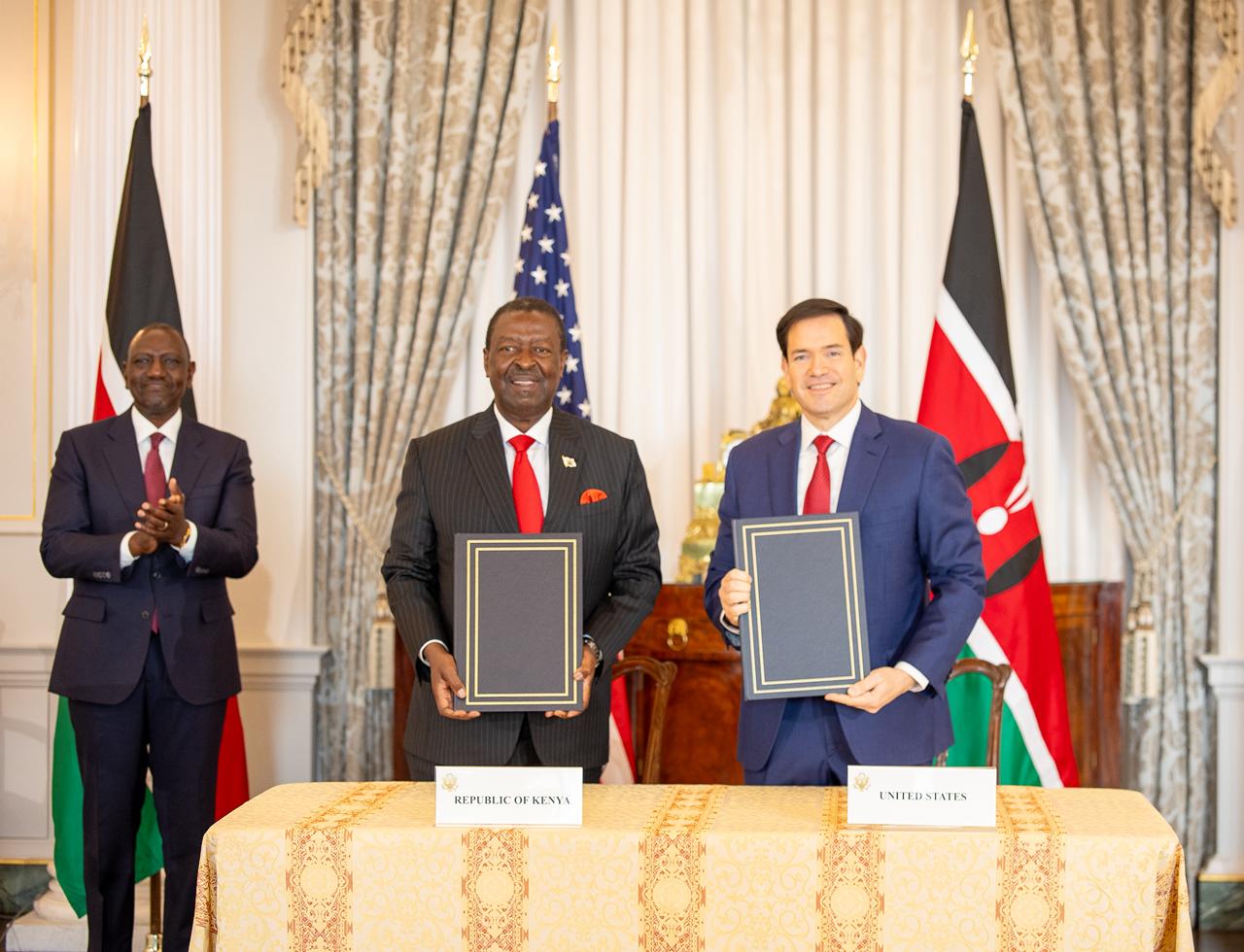
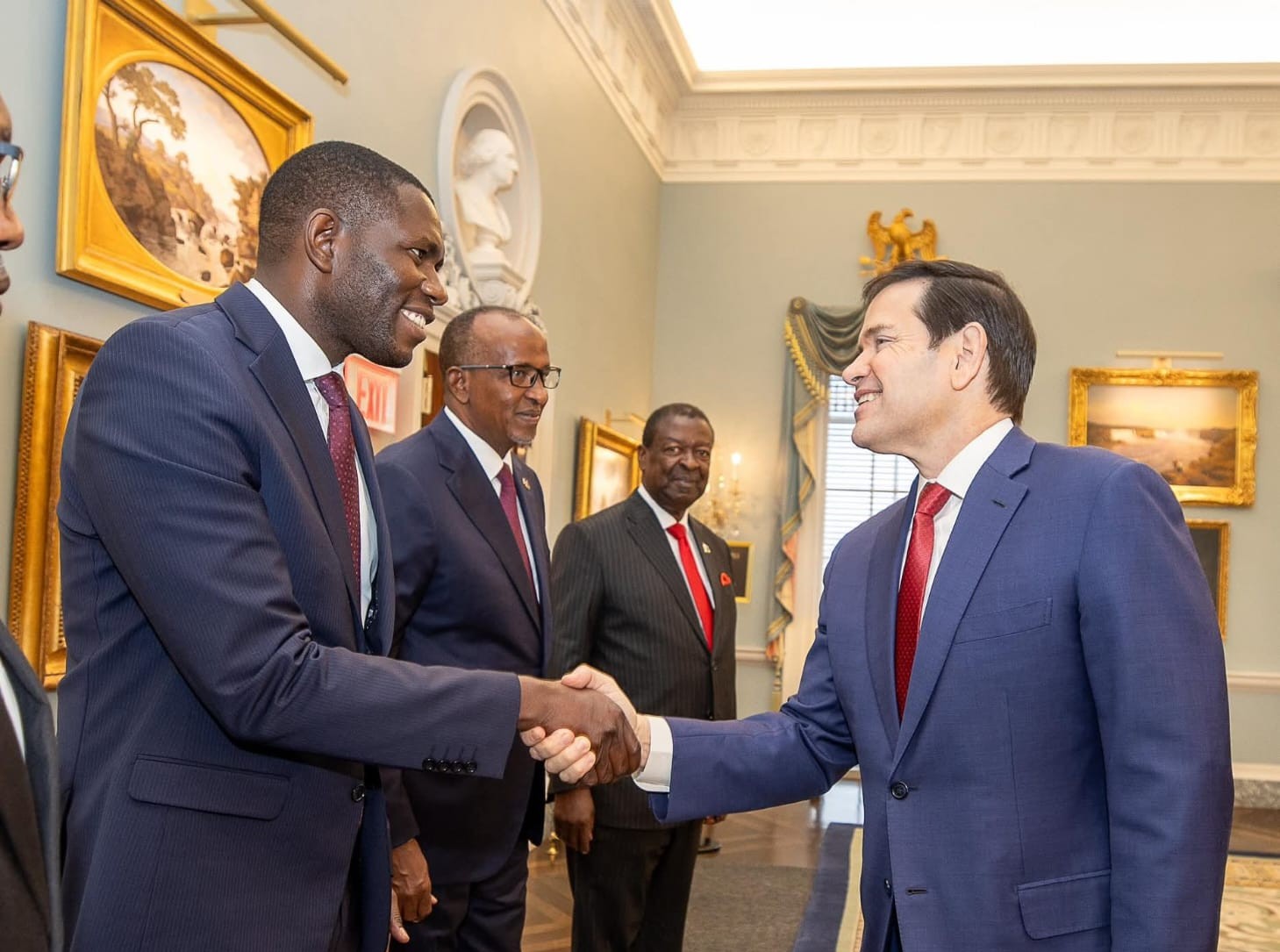
During the visit, key bilateral deals were signed all reflecting the new US stance on Africa.
Among the deals was the $1.6 billion (Sh208 billion) five-year strategic Health Cooperation Framework, the first of its kind between the US administration and an African nation.
Secretary of State Marco Rubio announced that the deal was the first of the America First Global Health Strategy, in which the US is shifting funding from aid and NGO channelling to a government-to-government framework.
“We are not going to spend billions of dollars funding the NGO industrial complex while close and important partners like Kenya are—either have no role to play or have very little influence over how health care money is being spent. Bottom line is if you want to help a country, work with that country, not work with a third party that imposes things on that country,” Rubio said.
Kenya also secured a proposal to extend Agoa in full for one more year following a meeting between Ruto and US trade representative Amb Jamieson Greer.
Discussions also focused on the development of a new bilateral trade arrangement that will elevate Kenya–US economic cooperation.
Additionally, Nairobi secured a deal in which the US International Development Finance Corporation agreed to proceed with a $1 billion (Sh129 billion) debt-for-food security swap with Kenya to replace costly debt with lower-cost financing.
The debt-for-food swaps is an arrangement where a country’s debt is forgiven in exchange for a commitment to invest in food programmes such as school meals.
The savings are to be redirected toward agricultural infrastructure, climate-smart farming, nutrition and hunger reduction programmes.
In peace and security, Rubio described Kenya as “one of our strongest partners in so many different fields” such as in the fight against terrorism and gang violence in Haiti.
“Had it not been for the role they [Kenya] played, what we are hoping to do next in Haiti would have been impossible, which is to transition to a gang suppression force. And we know there's a transition period and we're going to be very involved in being helpful in bridging that. And we want them, and we hope to encourage them to continue to be engaged moving forward as we move into this new phase of trying to bring stability to Haiti,” he added.
While Beijing’s influence on the continent remains formidable, the deals place Kenya at the centre of US National Security Strategy in Africa.
Kenya became the first sub-Saharan African Major Non-NATO Ally in June 2024 in recognition of Kenya's strategic importance as a US partner in counterterrorism, peacekeeping operations and other security-related issues.
For Washington, Kenya has become a reliable gateway into Africa, offering both stability and alignment with US geopolitical interests, while for Nairobi, the deals provide the much-needed fiscal relief and health sector support, both drawing mutual benefits.
This deepening engagement comes despite calls from some US senators to review diplomatic relations with Kenya over concerns of close geopolitical and economic ties with China.
Senator Risch, chairman of the US Senate Foreign Relations Committee, had in May called for the review of the status over remarks by Ruto to the effect that Kenya and China are 'co-architects of a new world order'.
Yet Washington’s decision to proceed with such sizeable agreements underscore its long-term confidence in Nairobi as an ally.