Through a motion moved in
the National Assembly by then Ol Kalou MP Muriuki Karue, the National Government Constituencies Development Fund was
established in 2003 through the enactment of the Constituencies Development Fund Act. The
fund's goal was to provide development funding at the local level to address
disparities and empower communities.
The initial CDF Act of 2003
was later reviewed, with the current NG-CDF Act being enacted in 2015 and
subsequently amended. It came in to redress what was considered skewed and
reduced allocation of development funds to areas perceived to be unfriendly to
the ruling party.
This worrying trend was much more prevalent during the first
decade of multiparty reign in Kenya under then President Daniel Moi. Out of
fear of being marginalised by the imperial presidency under Narc’s Mwai Kibaki,
the MPs rallied to enact this legislation. This was also to help them entrench
themselves as the benevolent development providers.
A formula of revenue
sharing was embedded in the Act to protect it from the vagaries of political
expediency during the budget process. Therefore, every MP was able to predict
the amount of CDF allocation in the next budget cycle and make project
proposals as appropriate.
The MPs became demigods in their constituencies as
they designed, launched and executed development projects, with little regard
to the Executive.
They became the patrons of the CDF committees. But in truth
they determined what every shilling did in the constituency. In time they
devolved the very malpractice of the Executive that they sought to cure in the
first place. There were glaring disparities in the allocation and distribution
of the funds across the constituencies and people cried out against
inequalities and favouritism.
In August 2010, the new
Constitution was promulgated. Among the key features was the devolution
chapter. This was a vital plank in the new legal framework as it sought to
entrench fair administration and sharing of resources. It established the two
levels of government at national and county tiers.
It defined their
relationship and how they were to share revenue generated every financial year.
To some extent the formula for shared revenue closely mirrored that of the CDF,
except that the county in addition had its internally generated funds.
The county governments and
the National Treasury proceeded to implement the legal requirements of
devolution. Resources began to flow to the people without the previous
necessity of sycophancy to the Executive. As the nation continued to implement
and breathe life into the new laws, questions began to be asked about the
constitutionality of the CDF.
The laws clearly delineated what each of the
three arms of government was meant to undertake. Parliament, both the National
Assembly and Senate, was tasked with the noble role of legislation and
oversight. The CDF, on the other hand, gave the Legislature powers to implement
development projects, a role that belongs to the Executive.
The matter
eventually found itself in the judiciary for arbitration. The High Court ruled
that the CDF with its many amendments was unconstitutional. Parliament was then
given some months to wind it up and complete the ongoing projects within six
months. However, Parliament instead chose to try
to entrench it in the constitution through an amendment that was to
be taken through people. It hasn’t
happened yet.
What the MPs have refused
to address is the question of duplication of roles by the Executive and
Legislature and duplication in oversight responsibility. How would the MPs provide
oversight to themselves in project implementation and why should they establish
executive arms in the constituencies to execute the projects?
This conflict of
interest has since been exposed graphically by the recent report of the Office
of the Auditor General. The report has revealed existing systemic mismanagement
of the CDF funds. A whopping Sh1.3 billion have been lost through shoddy work
and stalled projects. There are cases of irregularities in project
implementation and instances of outright theft of public funds.
These twin malpractices
arise because of vested interests and the inability of the MPs to undertake
project superintendent work and oversight assessment.
One person cannot
effectively be the initiator, implementer, supervisor and auditor of the same
project. Gaps will naturally occur and create loopholes for pilferage and poor
workmanship. In turn and taking the
cue from their big brothers, the MCAs have variously demanded creation of a
Ward Development Fund (WDF).
Many assemblies have proceeded to initiate
legislation on the same. Out of fear of impeachment, governors have assented to
such legislation without regard to their constitutionality.
In some instances,
the governors themselves have taken the initiative to forestall any backlash
from the assemblies by including such funds in their annual budgets. As with
the CDF, these funds are equally unconstitutional and create conflict of
interest on the part of the MCAs.
Addressing development gaps
with the CDF and similar funds are quite commendable. The relevance of the
initiatives cannot be gainsaid. However, they are established to address the
fear of the excesses of the Executive in resource allocation and distribution.
However, such policy of profound impact should address vision and hope instead
of fear of the past.
Within the purview of the
current constitution, the CDF and sister funds cannot stand the test of
constitutionality and, more so, the test of good governance. In appreciating
the positive objective for which they were established, lawmakers must find
ways to align them with constitution.
Initiating a referendum to firmly fix
them in the supreme law will be like trying to force square pegs into round
holes. They will never fit. The main objective of the CDF and later in some
counties, the WDF was to address and redress marginalisation.
It had been the
case that leaders with executive authority would deliberately and consistently
deny development funds to populations considered not supportive of the
government.
This is in spite of the fact that these citizens equally paid their
fair share of taxes to both the county and national governments. The allocation
was, therefore, not equitable and led to a lopsided development profile.
This can be addressed by
establishing similar law to guide the budgetary process. This law must ensure
that the National Treasury designs the annual budget that allocates and
distributes national resources equitably to the counties and the
constituencies.
The responsibility of every MP would thereafter be to ensure no
constituency is unjustly denied development resources. The senators would also
ensure every county is fairly treated during the division of revenue debate.
Similarly, the MCAs must
ensure the county budgets presented by the governors guarantee equity for every
ward. The budget process at both county and national levels should be
participatory.
It should be bottom up to ensure that development projects
undertaken in the constituency and wards are people-driven and address their
felt needs. At the same time, the process should allow both the National
Treasury and the governor to introduce projects that make interventions on
matters of national interests and regional importance, respectively.
This
approach would then allow the MPs and MCAs to focus on their primary roles of
legislation and oversight, respectively. It would also cure the duplication and
conflict of interest by both.

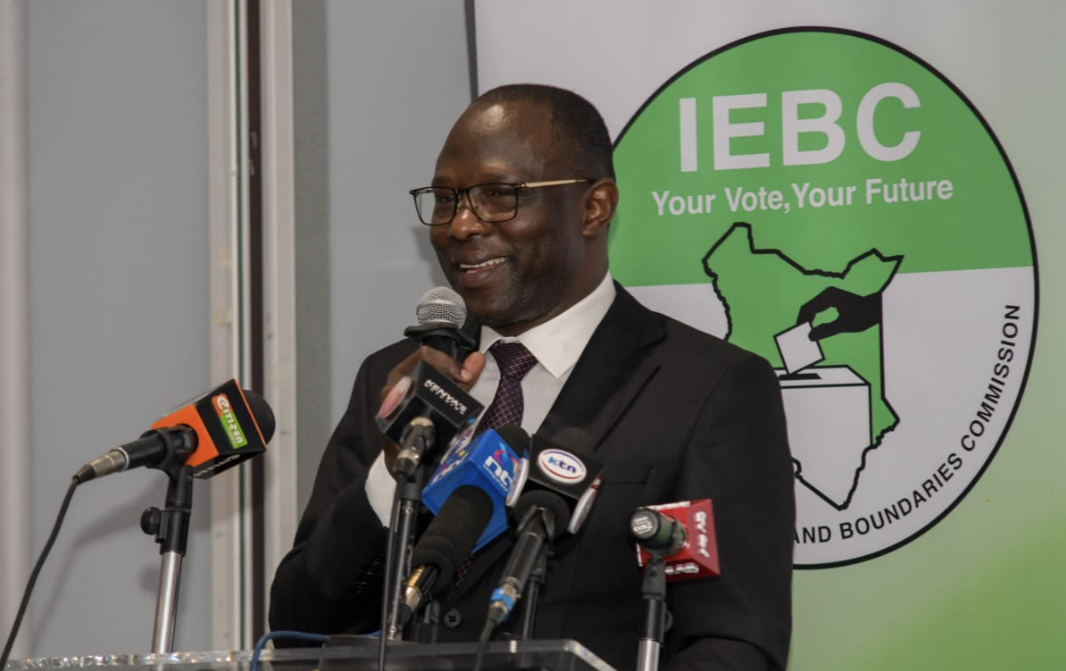


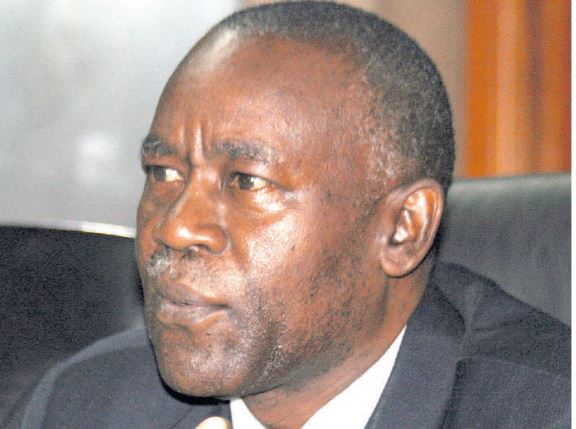 Former Ol Kalou MP Muriuki Karue /FILE