Kenya set to benefit as Gavi speeds up Ebola vaccine search
At least 1,094 cases have been confirmed and 277 deaths in eastern DRC
by JOHN MUCHANGI
Audio By Vocalize
Kenya will benefit from a global push to develop and make
available a vaccine against a deadly strain of Ebola currently causing
outbreaks in neighbouring Uganda and the Democratic Republic of Congo (DRC).
On Thursday, Unicef and Gavi announced a new call to vaccine
developers and manufacturers aimed at speeding up access to vaccines against
Bundibugyo Ebolavirus disease, a highly deadly form of Ebola for which no
approved vaccine currently exists.
The move comes as Kenya remains on high alert because of the
ongoing outbreaks in Uganda and DRC.
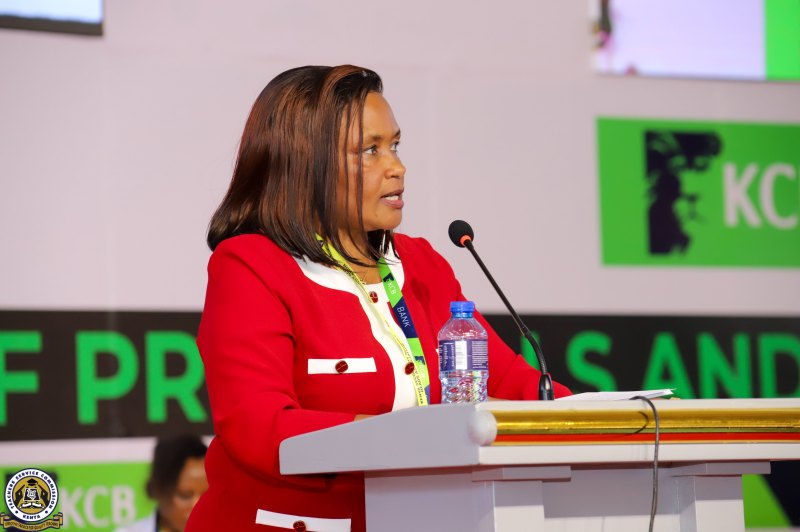
Health Cabinet Secretary Aden Duale said the country has not
recorded any Ebola cases despite the regional threat.
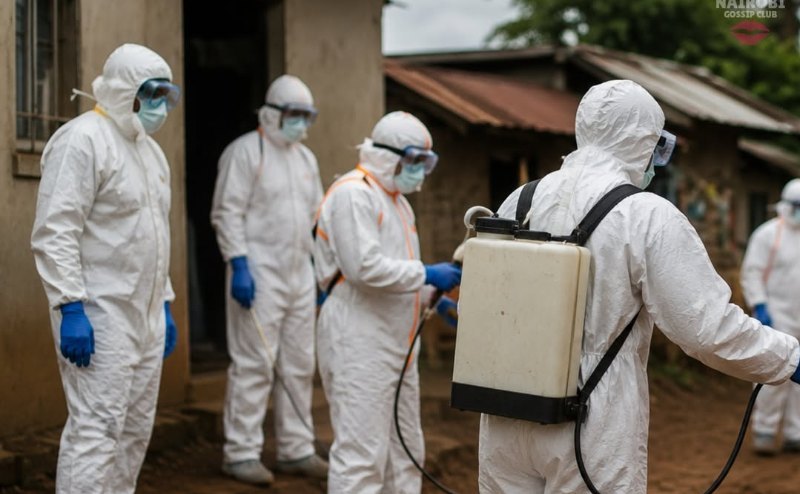
Duale said the Ministry of Health activated the national
Ebola Incident Management System on May 20 and has intensified preparedness
activities across the country.
"Experience from previous outbreaks in Africa has shown
that countries that prepare early are better able to protect lives, safeguard
their health systems and minimise disruption to their economies," he said.
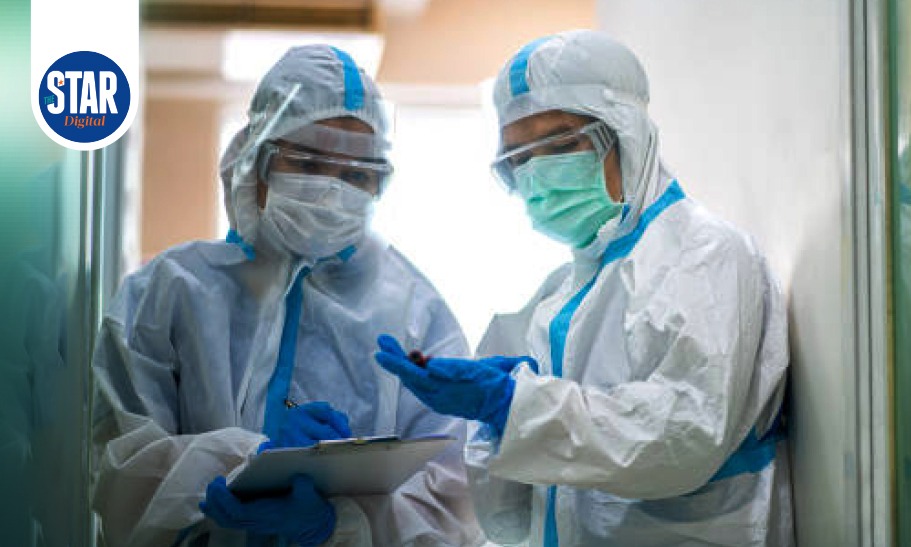
According to the ministry, preparedness measures include
enhanced screening of travellers arriving from affected countries through
airports and land border points, strengthened disease surveillance systems,
expansion of laboratory testing capacity, identification and preparation of
isolation facilities, training of healthcare workers, stockpiling of protective
equipment and public awareness campaigns.
Kenya has already screened more than 140,000 travellers
arriving from affected areas and investigated more than 100 Ebola alerts, all
of which have tested negative.
The CS also sought to reassure Kenyans about the
establishment of quarantine and isolation facilities.
"Just as a country prepares fire engines before a fire
occurs, public health authorities must prepare isolation and quarantine
facilities before an outbreak occurs," he said.
Duale stressed that preparing for an outbreak is far less
costly than dealing with one after it has spread.
"Previous Ebola outbreaks in Africa resulted in
billions of dollars in economic losses due to disruptions in travel, trade,
tourism and investment. Early preparedness helps protect lives, livelihoods and
the economy."
The new initiative by Unicef and Gavi seeks to accelerate
the development and production of vaccines against the Bundibugyo strain of
Ebola.
The two organisations announced the launch of a Request for
Expression of Interest, which will gather information from vaccine developers
and manufacturers on their plans to develop vaccines against the disease.
"Building on Gavi's recent commitment of US$40 million
to support accelerated vaccine access, this EOI will help inform how that
financing can best support manufacturing scale-up and rapid access to doses if
and when they become available," Unicef and Gavi said in a joint
statement.
The organisations said the Expression of Interest will help
identify the most promising vaccine candidates and determine how best to support
their production.
"The Expression of Interest, issued by Unicef today,
builds on ongoing engagement with manufacturers and partners including WHO and
the Coalition for Epidemic Preparedness Innovations (CEPI), and will support an
expedited assessment and prioritisation of the most promising vaccine
candidates," the statement said.
The Bundibugyo strain is responsible for the current
outbreaks in eastern DRC and Uganda.
At least 1,094 cases of Ebola have been confirmed and 277
deaths in eastern DRC. The organisations said some of the victims are children.
The organisations noted that while a global stockpile exists
for vaccines against the Ebola Zaire strain, there is currently no vaccine
available against the Bundibugyo species.
Gavi has committed up to $50 million through its First
Response Fund to support outbreak response efforts, including up to $40 million
to accelerate vaccine access.
The Expression of Interest will also give special
consideration to manufacturers planning to produce vaccines in Africa.
"In the call to developers and manufacturers to provide
information about their candidate vaccines, including projected development
timelines, product suitability, and alignment with public health priorities,
special consideration will be given to proposals where production will be based
in Africa," the statement said.
"Manufacturer responses will also inform future UNICEF
procurement of vaccines."
Health experts say a successful vaccine could provide a
critical tool for Kenya and other East African countries to contain future
Ebola outbreaks quickly, protect health workers and save lives.
This is premium content
Subscribe to Continue Reading
Help us continue bringing you unbiased news, in-depth investigations, and diverse perspectives. Your subscription keeps our mission alive and empowers us to provide high-quality, trustworthy journalism. Join us today to make a difference!