 A contractor works on one of the road projects funded by the World Bank in
Eldoret City /MATHEWS NDANYI
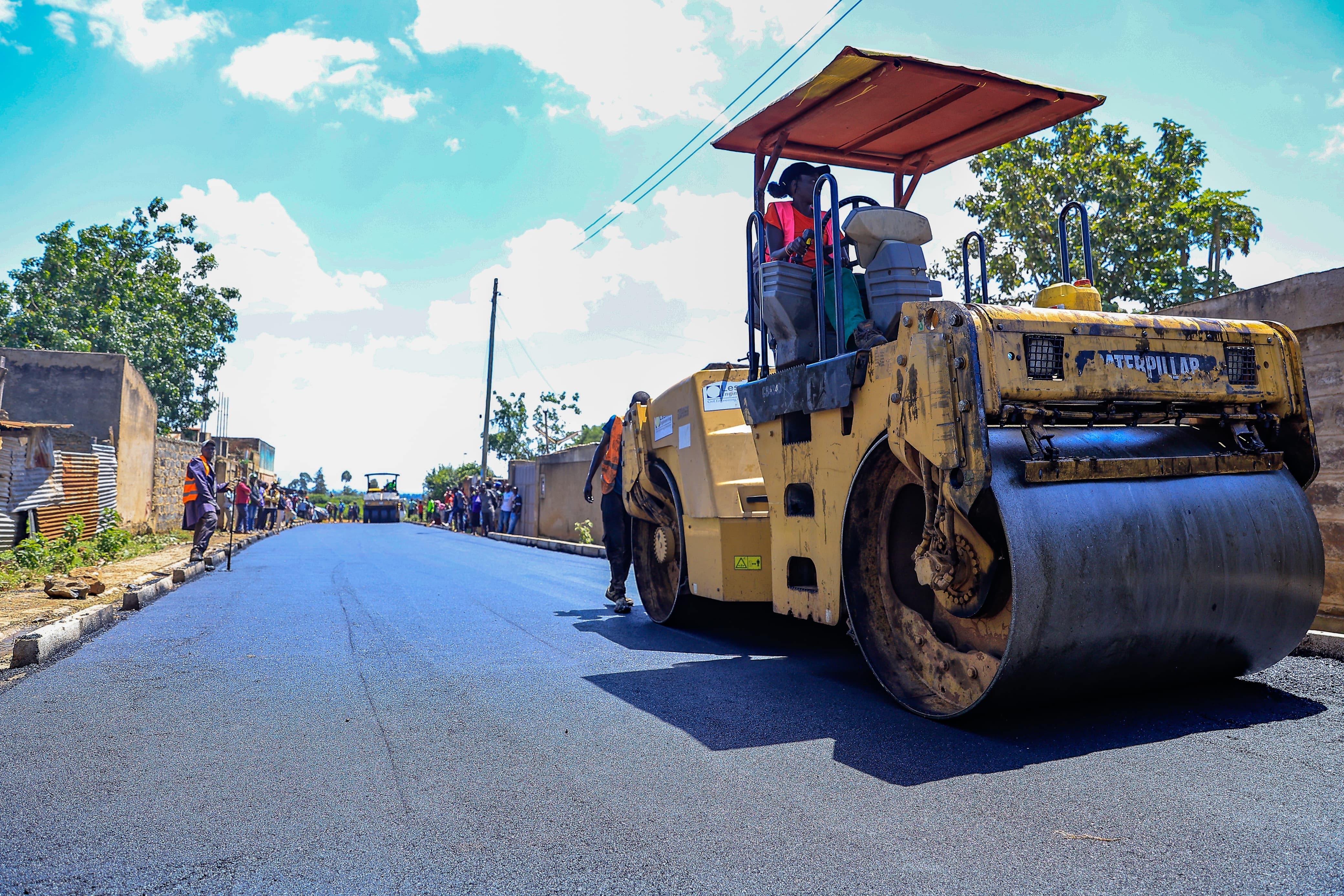
A contractor works on one of the road projects funded by the World Bank in
Eldoret City /MATHEWS NDANYI
The Sh1.2 billion World Bank-funded construction of roads in Eldoret City under the Second Kenya Informal Settlements Improvement Project has resumed after stalling in some areas for the last four months.
The road projects had stalled in Mwanzo and Shauri due to the delayed release of funds, but contractors are now back on site to complete the projects. The construction is almost complete in Maili Nne.
The initiative is part of the transformation of informal settlements in Eldoret, where it covers several areas. The initiative is part of the transformation of informal settlements in Eldoret where it covers several areas.
The initiative is part of transformation of informal settlements in Eldoret covering several areas.
A key highlight of the project is the tarmacking of the 4km Maili Nne road, proving to be a watershed moment for thousands of residents.
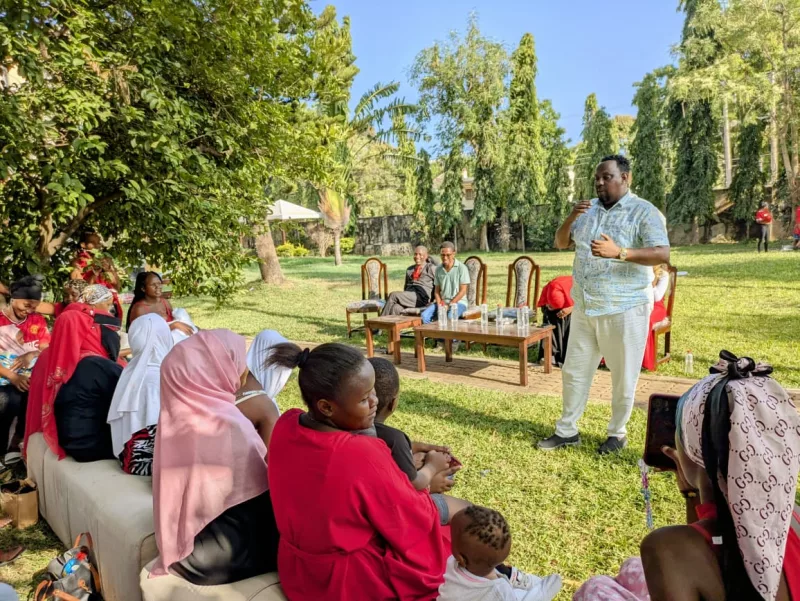
Uasin Gishu Governor Jonathan Bii visited the sites on to assess the progress of the project, which is being carried out jointly with both national and county governments.
Governor Bii said the roads in Maili Nne area will not only facilitate transportation but also create new opportunities for businesses and residents.
“This road is more than just tarmac and drainage—it represents a new chapter of social and economic revitalization for Maili Nne. It means mothers can reach hospitals faster, traders can transport their goods efficiently, children can attend school safely, and investors will be more inclined to establish businesses in this area.”
Governor Bii said they target to complete the work on most sites by December, so that residents of the city can enjoy benefits of better infrastructure.
“We urge our residents to bear with the situation of the roads in areas where work is ongoing but it will be completed in a short time,” he said.
In Maili Nne, businesses that once closed early due to insecurity are now thriving. Shops, kiosks, and small eateries are enjoying significant increases in clientele, while boda boda operators report a surge in customers due to the improved road conditions.
Residents led by Jose Kimaru, who is a taxi operator, said they are excited with the transformation of the area.
“The good roads are a boost to our business because we can now access areas that were no-go areas previously,” he said.
Traders at the Maili Nne market are also experiencing a revival of activities.
County executive for lands, physical planning, housing and urban development Edward Sawe said the projects align with Governor Bii’s Nguzo Kumi development agenda.
“By investing in settlements like Maili Nne, we are enhancing dignity, safety, and economic opportunity for all residents. This is the urban growth model we aim to replicate across Uasin Gishu,” he said.
Chief Officer for Housing and Urban Development Mary Kerich said infrastructure is foundational for inclusive growth.
“When we improve roads, drainage, and lighting in informal settlements, we are not just upgrading infrastructure—we are unlocking economic potential. Property owners are investing in better housing, new businesses are emerging, and young people are finding jobs in construction and services. This approach bridges the gap between marginalised settlements and the modern city.”
The infrastructure improvements underway across Eldoret’s informal settlements under KISIP2 includes Segero, KK, Kasarani, Shauri, Kipkaren, Mwanzo, and Huruma.
The programme focuses on rehabilitating infrastructure but also fosters community involvement in planning and oversight, ensuring that developments reflect local priorities.