L.B had imagined motherhood in careful detail long before she became pregnant. She planned it, timed it, and was certain about one thing, she only wanted one child.
“My pregnancy was planned,” she said with a laugh.
“You know when you sit down and calculate your days and you know you’ll get pregnant. But I didn’t want two children. I just wanted one.”
At 12 weeks, during her first scan, her plans changed completely. She was carrying twins. Although the pregnancy progressed without major medical complications, the reality of carrying two babies came with constant anxiety.
Her clinic visits became more frequent, and eventually, she had to put her studies on hold to focus on her health. She later delivered the twins through normal birth, despite having hoped for an elective caesarean section.
“Every time I was told it was colic,” she recalled.
“I used every medicine I was given, but the crying never stopped.”
Sleep deprivation took a toll on her mental health. Doctors prescribed sleeping pills to help her rest, but the exhaustion lingered.
“My first year was messy and chaotic,” she said.
“My children’s milestones were delayed, but because I was a first-time mother, I didn’t realise something was wrong.”
One twin was able to sit independently at six months, while the other could not sit without support until a year later. Paediatricians reassured her, advising patience and reminding her that children develop at different paces. But the gaps continued to widen.
One child began walking without support at one and a half years. The other started walking at two. By the time the twins turned three, they were not talking, did not respond to their names, were still using diapers and cried excessively.
As L B searched for a school that could accommodate their delayed development, she received an answer she had never anticipated: both children were autistic.
“I didn’t know what autism was,” she said. “I had never heard about it. You know, those things you think only happen far away — maybe in the US.”
Autism, also known as autism spectrum disorder, is a neurodevelopmental condition that affects how a person communicates, interacts, and experiences the world. According to the World Health Organization, about one in 100 children globally is on the autism spectrum.
For L.B, the diagnosis felt devastating. She was told the condition was lifelong. Now aged 10, her children require specialised diets and ongoing therapy to help them communicate and respond to their environment. Sudden dietary changes were difficult.
“My children developed withdrawal symptoms because I had to abruptly stop wheat, sugary foods and bread, as advised,” she said.
Over time, with therapy, schooling, and increased understanding, progress has come slowly but meaningfully. The twins are now enrolled in school and are beginning to speak.
Finding support and understanding Accessing appropriate support remains a challenge for many parents of autistic children in Kenya, where awareness and specialized services are still limited.
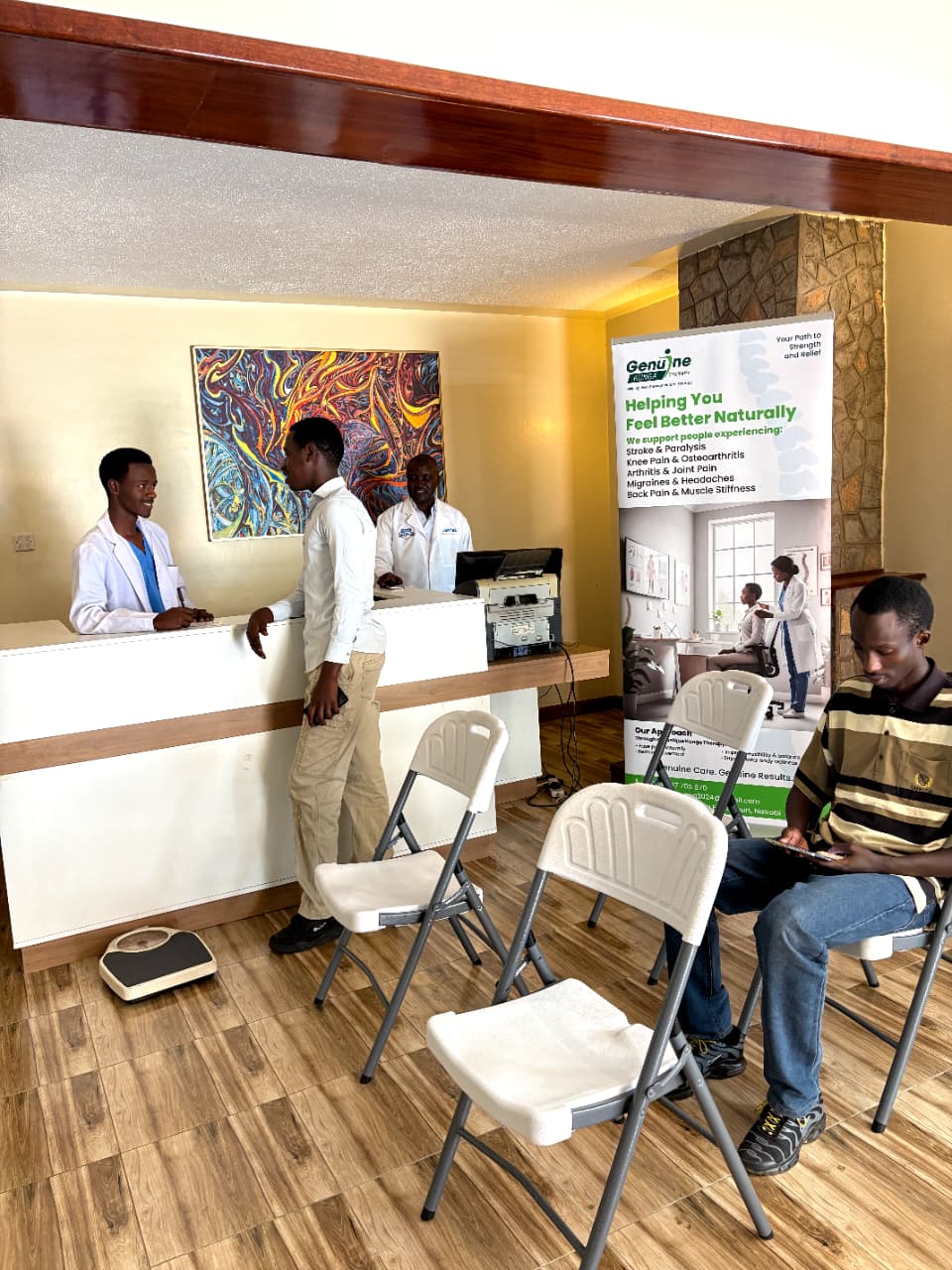
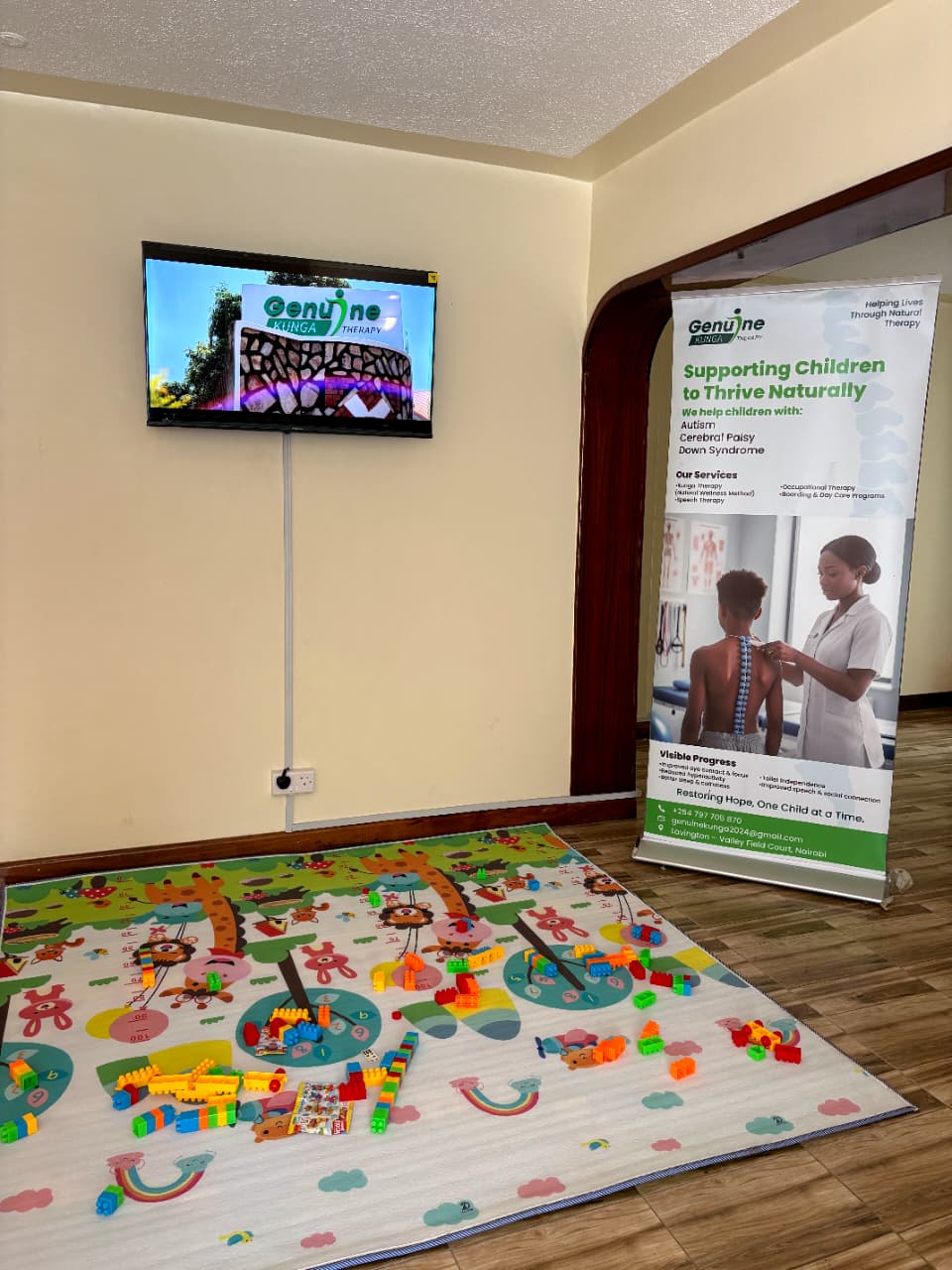
One of the centers working with children on the autism spectrum in East Africa is Genuine Kunga Therapy, which operates in several countries across the region, including Kenya.
The centre uses a non-invasive, hands-on approach aimed at helping children become calmer, more responsive, and better able to engage with their surroundings. Genuine Kunga Therapy operates in Uganda, Rwanda, Tanzania, and Kenya, and has supported thousands of families across the region.
While the therapy has been highlighted widely on radio and TV in other countries, its presence and impact in Kenya is expanding rapidly.
More Kenyan parents are now turning to Kunga Therapy as an alternative approach that offers calmness, structure, and meaningful progress. The center located in Lavington, Nairobi aims to reduce stigma, create awareness, and provide families with hope and practical solutions.
Visit Genuine Kunga Therapy – Kenya Branch, Lavington, Valley Field Court +254 797 705 870 It continues to expand its mission to support children with autism by offering: early-intervention programs, parent education and guidance, personalized child-focused sessions and a supportive and caring environment.
Parents can call to book an appointment or receive guidance on how their child can benefit from Kunga Therapy. Back to L.B who says exposure to therapy approaches such as these helped her better understand her children’s needs and how to support them at home.
“What helped me was learning that autism is not something you fix overnight,” she said.
“You learn from the child, you learn patience, and you learn how to respond to them.”
She believes more needs to be done to ensure parents receive information early and caregivers are supported.
“The government should help create awareness about autism because most parents have no information,” L.B said.
“Caregivers of such children need more support because these children need attention 24 hours a day.”
For L.B, motherhood did not follow the path she had envisioned. But her journey has taught her resilience, patience, and the importance of understanding a condition that many families continue to navigate in silence.