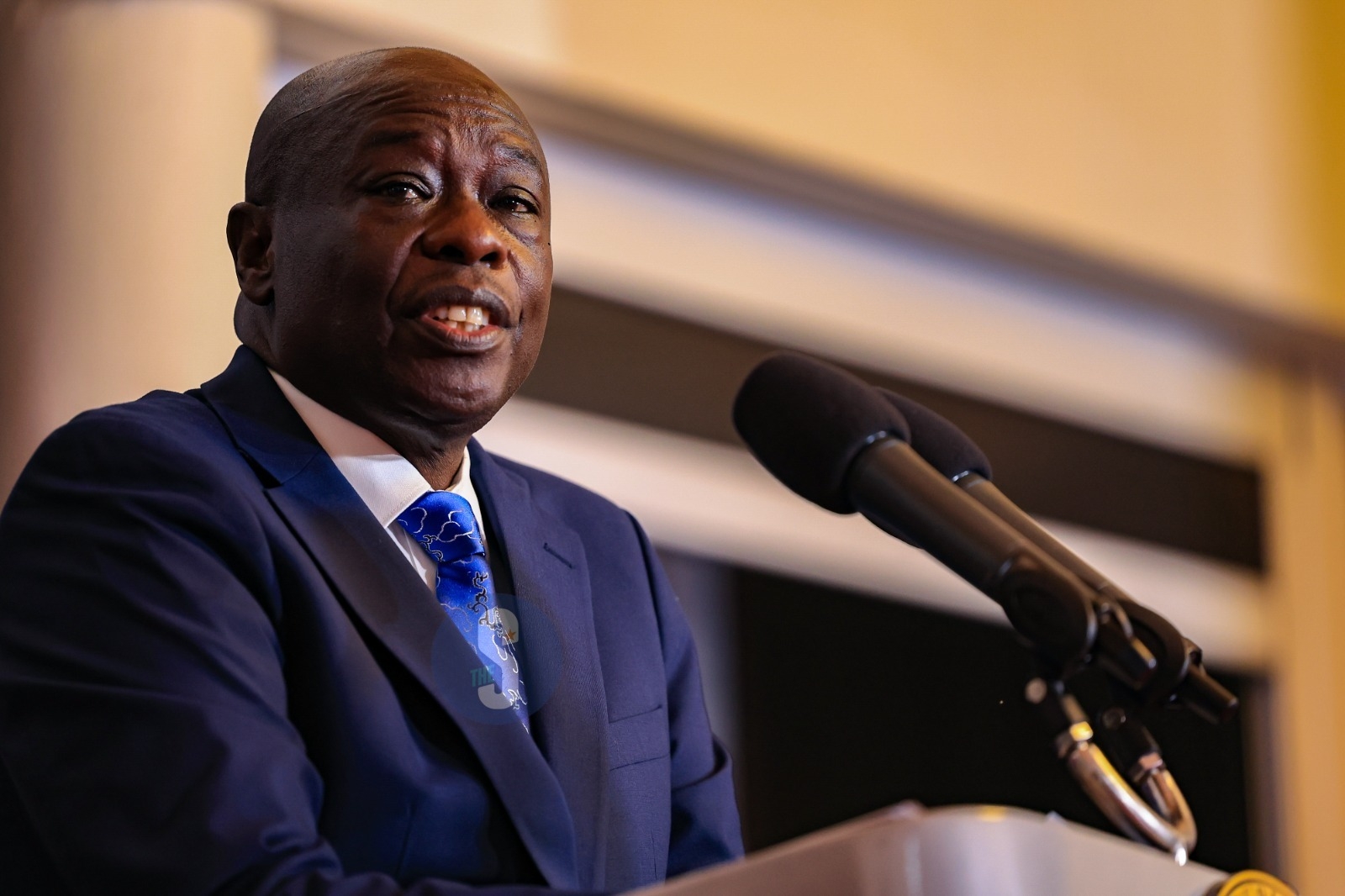


 Deputy Commander of Kenya’s Army, Major General Mohamed Nur Hassan./FELIX ASOHA
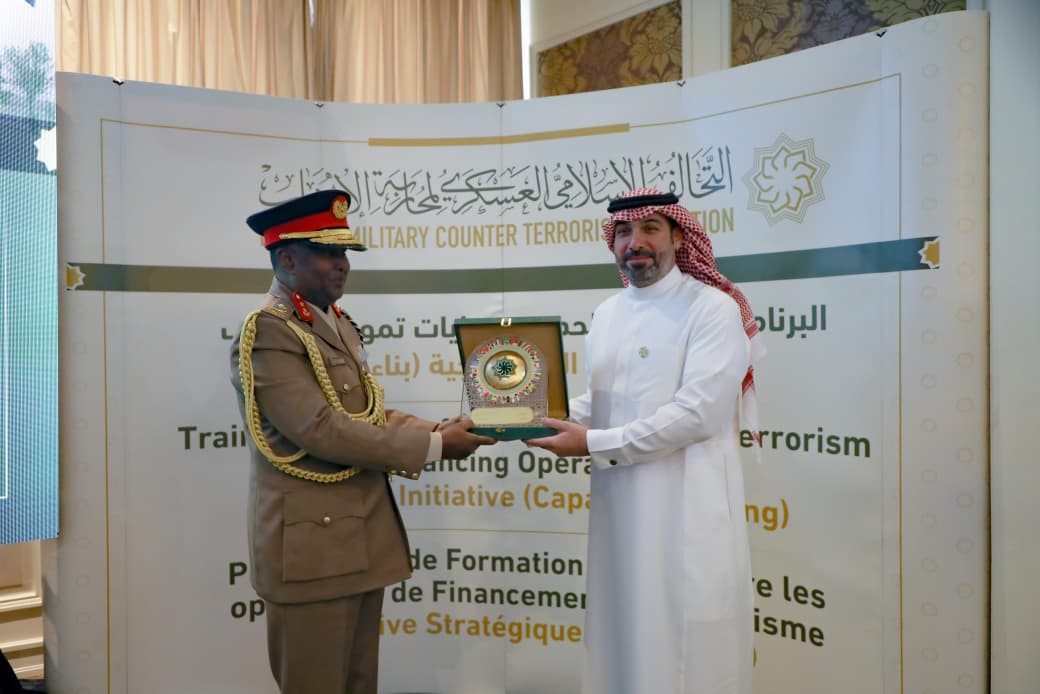
The Islamic Military Counter Terrorism Coalition (IMCTC) has opened a week-long advanced training program for financial and security specialists in Nairobi, a new regional effort to curb the flow of illicit funds linked to extremist groups.
The training focuses on the growing challenge of tracking money used to support extremist networks, bringing together officers from banks, investigative units, and regulatory agencies who handle compliance, financial audits, and the monitoring of unusual transactions.
During the opening session, Deputy Commander of Kenya’s Army, Major General Mohamed Nur Hassan,noted that the nature of financial crime has shifted in recent years.
“The threats we face today are not the same as those of a decade ago. Groups that seek to destabilise our country no longer rely on obvious channels. They move their funds through informal networks, digital platforms, and unsuspecting businesses," he said.
"This means that those of you working in finance, compliance, and investigations carry a responsibility just as critical as the one carried by any soldier in uniform."
He further said that the programme is intended to strengthen the teams responsible for identifying suspicious flows of money and for interpreting the laws that guide these investigations.
He stressed the importance of cooperation between agencies, saying that no single institution can tackle the problem alone.
“It is also meant to bring our different agencies closer. None of us can succeed alone, and no single institution has every answer,” added Hassan.
Throughout the five days, participants will work through practical exercises, case reviews, and scenario-based sessions. These will cover international regulations, modern trends in terror financing, digital tools for tracing funds, and methods used by criminals to disguise their transactions.
The sessions will also highlight leadership and coordination within financial institutions.
The implementation of this program reaffirms IMCTC’s role in strengthening the capacity-building of it’s member states and supporting international efforts to counter financial threats linked to terrorism by delivering high-quality programmes that combine in-depth knowledge with practical application, thereby enhancing the readiness of specialists to address modern challenges in this field.
The organisers said this program blends technical knowledge with real-world practice to help specialists respond more confidently to emerging risks.