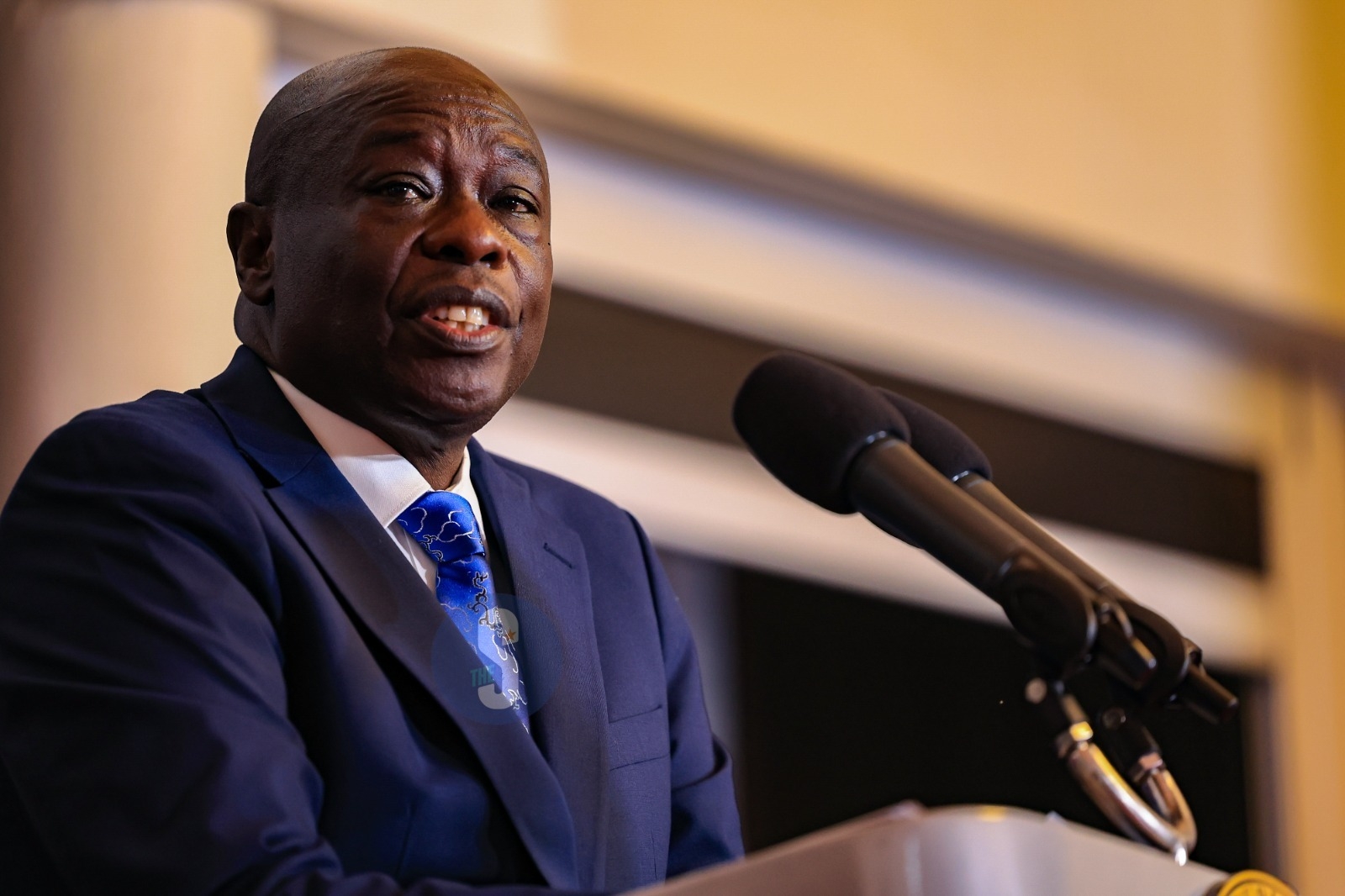


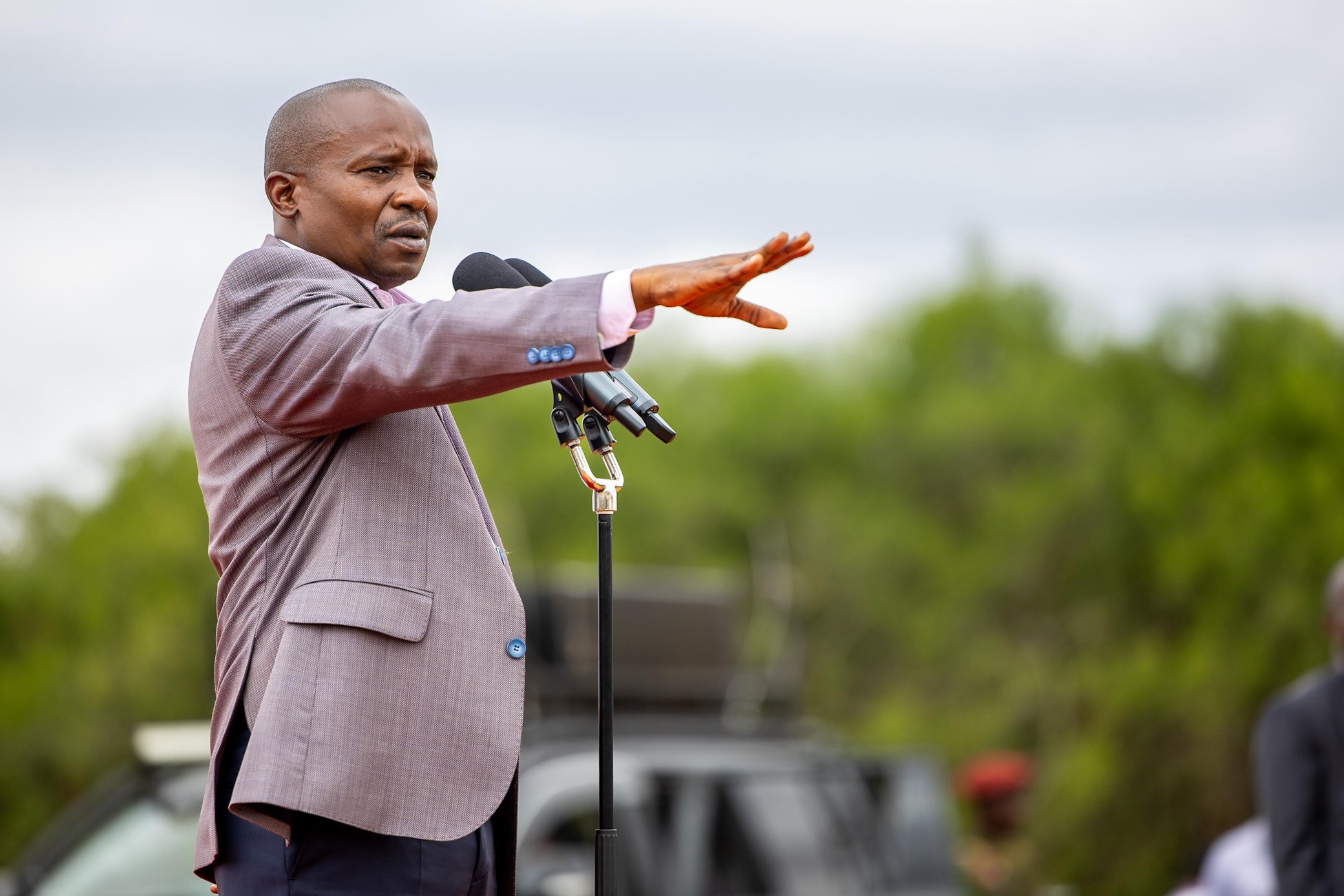
Deputy President Kindiki has announced that the government
will begin construction of a new modern airport within the next two months.
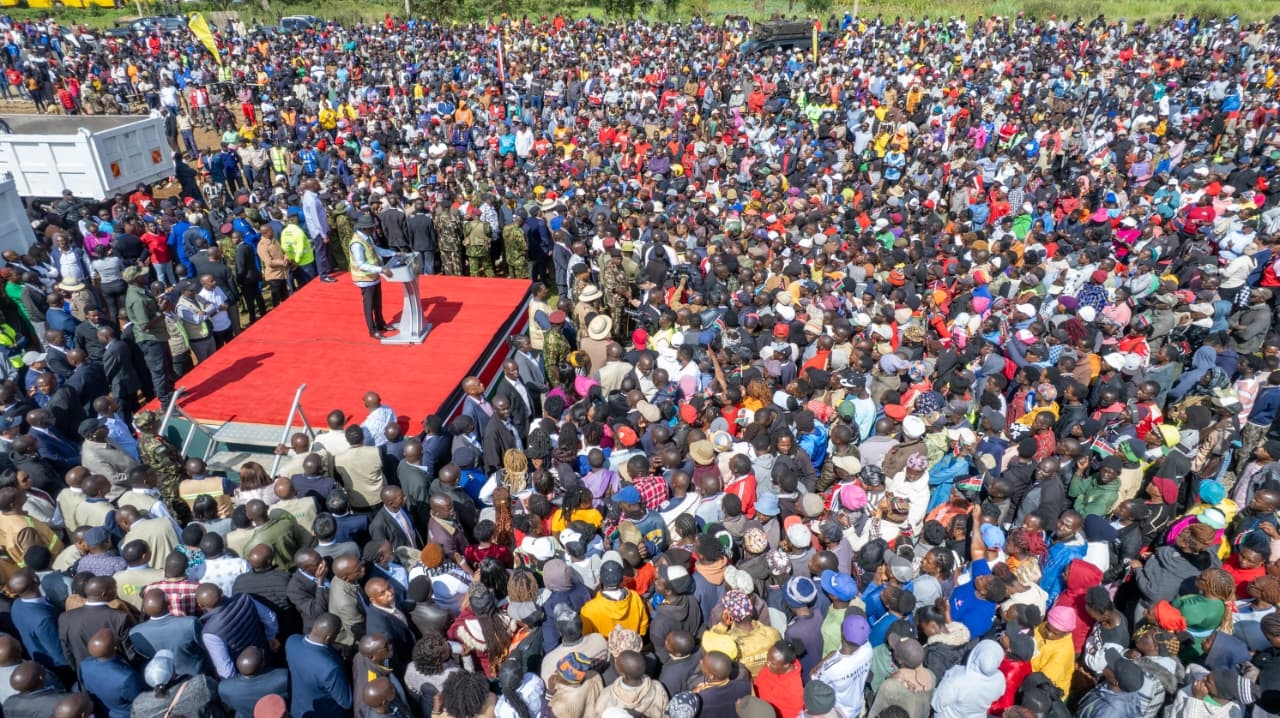
Speaking on Tuesday, Kindiki emphasised the importance of
infrastructure development, noting that while Kenya has made progress in roads,
electricity, and other sectors, the country still lacks a modern airport.
“We are doing well in many things but we do not have a good
airport. So in the next two months we are starting to build a modern airport
because the one that exists there was built by our forefathers,” he said.
“Next time you come in Nairobi, you will find something
different.”
The government is keen on infrastructural development, aimed
at placing Kenya in the first-world class status, in the next 20 to 30 years.
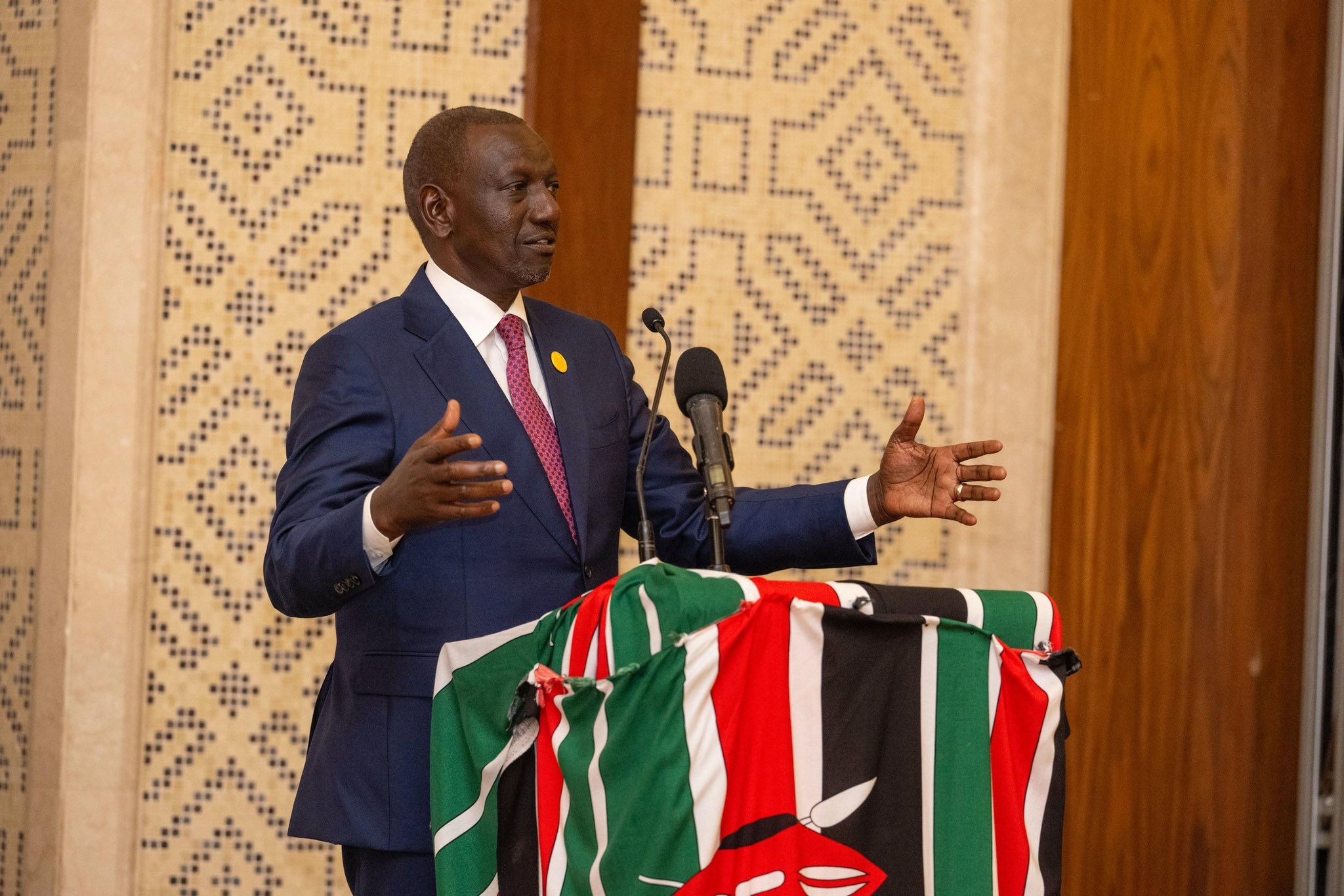
In November, President William Ruto defended his
administration’s plan to upgrade the Jomo Kenyatta International Airport
(JKIA), dismissing claims that the government intends to sell the facility.
The President said the current condition of JKIA is
unacceptable and requires major investment, noting that some sections of the
airport are so run-down they now rely on temporary repairs.
Ruto said the government will partner with private investors
to mobilise about Sh200 billion to modernise JKIA, adopting a model similar to
the one used by Qatar to finance Rwanda’s international airport.
“We need to build a new airport, tuwache upuzi! We need to
build a new airport, friends, honestly. What do we have at JKIA, canvas on the
runway? People are saying that I want to sell the airport; sell it for what
purpose?” Ruto said.
He added that discussions with the Emir of Qatar, Sheikh Tamim
bin Hamad Al Thani, in Doha focused on collaboration to develop JKIA and
support Kenya Airways under a public-private partnership framework.
“The kind of investment JKIA needs is around Sh200 billion.
Kenya doesn’t have to use public funds; this can be achieved through the
private sector,” the President said.
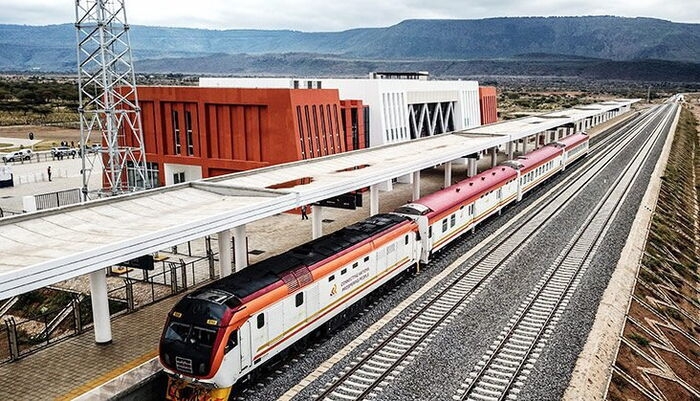
The government is also planning to extend the Standard Gauge
Railway from Naivasha to Kisumu and onward to Malaba beginning January 2026.
Ruto said the SGR extension will “close the loop,” connect
the region and position Kenya as the centre of East Africa’s transport and
logistics network.
“We will expand and upgrade our airports and ports, and
beginning in January 2026," he said.
"We shall extend the Standard Gauge Railway from
Naivasha to Kisumu and onward to Malaba, closing the loop, connecting the
region, and positioning Kenya as the heart of East Africa’s transport and
logistics system."
Ruto said the extension is part of a wider programme to
modernise transport corridors and strengthen Kenya’s role in regional trade.
He said new highways, airports, ports and rail links will
support faster movement of people and cargo.
“These infrastructure efforts will boost competitiveness,
lower business costs, and connect Kenya more efficiently to regional and global
markets,” he said.
He added that the country will finance these projects
through a National Infrastructure Fund and a Sovereign Wealth Fund to reduce
reliance on external debt.
“This approach will reduce our dependence on debt and build
long-term national wealth for generations to come,” he said.
Ruto said the investment plan is intended to drive economic
transformation, industrial growth and job creation under the Bottom-Up Economic
Transformation Agenda.