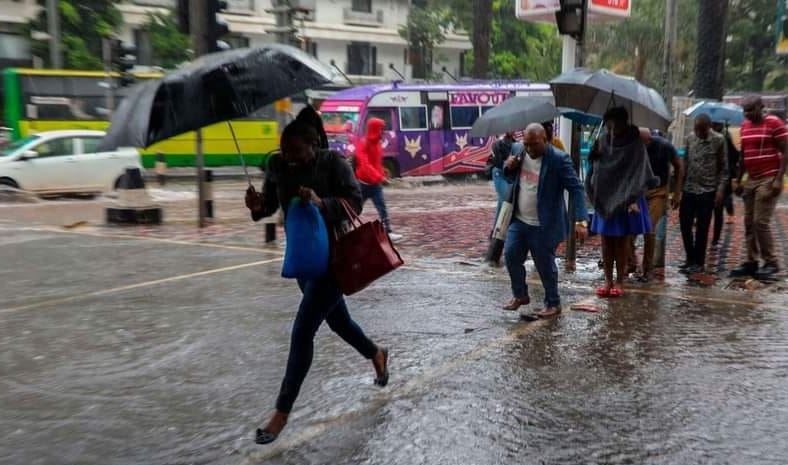


We are in the second week of a crisis in the energy industry. Pumps at gas stations are mostly dry.
On the rare occasions when there is fuel at selected stations, the queues are unbearingly long and flowing into nearby roads. The traffic snarl-ups that come with that affect even those who are not intent on fueling.
In some parts of the country, we hear, some unlicensed enterprising Kenyans are hawking petroleum products. The situation is bad.
But it is not limited to Kenya. It’s global.
And some may, and have, turned the crisis into some political capital. This is unfortunate.
On April 4, President Uhuru Kenyatta signed the Supplementary Appropriation Bill, which allowed the National Treasury to release Sh34.4 billion to oil marketing companies as fuel subsidy. This subsidy fund is the reason why Kenyans will not be feeling the full heat of the global hike in fuel prices.
The subsidy guarantees the profit margin for oil marketing companies so that consumers can get fuel at relatively lower prices. This is definitely a good move by the government to protect its citizens. Political noise from opposing quarters should be starved of the attention they so much wish to draw from the current situation.
Fuel shortage and the resulting hike in prices is not unique to Kenya. Even right here in Africa, Nigeria, a major producer of oil, has been facing shortage and high pump prices. There is no way Kenya, being an absolute importer of petroleum would be an exeption.
On this note therefore, it is only appropriate to look at the fuel problem in Kenya in the larger context, the global stage. Oil is a globally traded commodity. In the law of supply and demand, when demand is greater than the supply, prices go up.
Since the demand for oil has been greater than the supply, the price for the “liquid gold” automatically shot up. So then, what explains the current global fuel crisis and the resultant hike in prices?
It must be fresh on everybody’s mind how the Covid-19 pandemic disrupted the global economy. With reduced travel and collapse of industries, the demand for fuel dropped drastically. Gradually, the global economy started recovering from the slow-down caused by the pandemic. As international travel and industries regained momentum, the demand for oil and gas gradually increased and along with it the price of the commodity. That partly explains the increase in fuel prices world over.
Also, the price of fuel is not simply determined by supply and demand alone. There are other factors such as pandemics, political events such as elections, war which greatly sway investor sentiments.
In February, Russia invaded Ukraine, starting a war that is still ongoing. This attracted global condemnation of Russia and its leader, President Vladimir Putin. Russia being the third largest oil producer in the world after the US and Saudi Arabia, this move had an impact on the prices of oil and gas.
Energy industry players feared that oil supply would be disrupted. Should Europe and the West sanction Russian oil, then expect that the prices will even go higher. Energy companies will make a killing selling their stock of fuel, not to mention the anticipated drop in supply following the absence of the Russian supply.
This is sufficient illustration that the prices of fuel are unavoidably a factor of global trends and should not be blamed on any single domestic leadership. Not especially in a country like Kenya which is an absolute importer of fuel.
The best thing that a leadership can do is to institute domestic measures such as fuel subsidy fund to cushion citizens from the high fuel prices.
It is for this reason that I find it odd that the Deputy President thinks it appropriate to attempt to play a political card on the matter.
On April 4, again, DP William Ruto issued a presser from the official residence of the Deputy President of Kenya to blame the government for the fuel crisis that had hit the country.
One would wonder whether, before making the statement, he had been informed that an hour or two earlier, the President had signed the Supplementary Appropriation Bill that made available money for the subsidy.
This is a bill that had to be debated and passed in both chambers of Parliament before the President’s assent.
With the money made available, oil marketers will now be able to sell fuel to Kenyans at relatively lower prices than it would be due to the global hike.
Kenyans need to understand that President Kenyatta appears to take so much verbal banter because he leaves that contest unattended until he has real solutions. What is a press statement without actionable solutions to real issues?
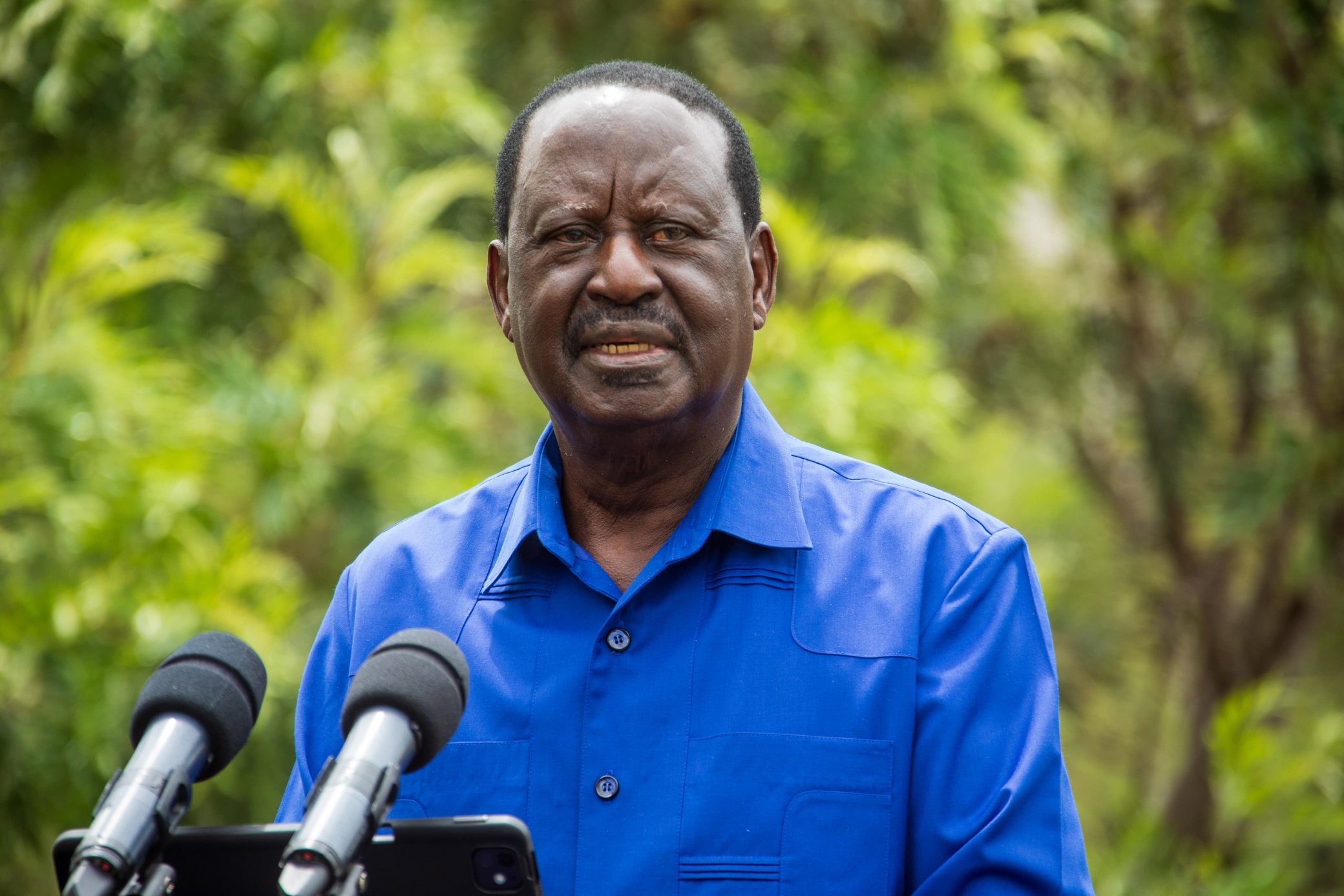
This is the clear difference between the President and his Deputy. The President is focussed on practical solutions, while unfortunately, every day is a political tournament for the deputy. Another laudable move is that by Azimio-One Kenya flagbearer Raila Odinga to engage oil marketers on April 6, to further discuss areas of mutual collaboration to further stabilise the energy market in the country.
Kenyans should choose practical leaders over endless and unnecessary politicking.
Mugwang'a comments on current affairs