

The Boeing 737 Max plane that crashed in Ethiopia last year was unsafe and not airworthy, an investigation by the US House of Representatives says.
The Committee on Transportation and Infrastructure on Saturday released a preliminary report of its findings, showing that although the commercial aircraft was compliant with federal aviation authority regulations, its systems were "fundamentally flawed and unsafe."
The probe was prompted by two crashes of 737 MAX aircrafts from Boeing that left a total of 346 people dead.
The first crash happened in October 2018 involving a Lion Air flight 610 from Jakatta in Indonesia. It crashed into the Java Sea 13 minutes after takeoff, killing all 189 passengers and crew.
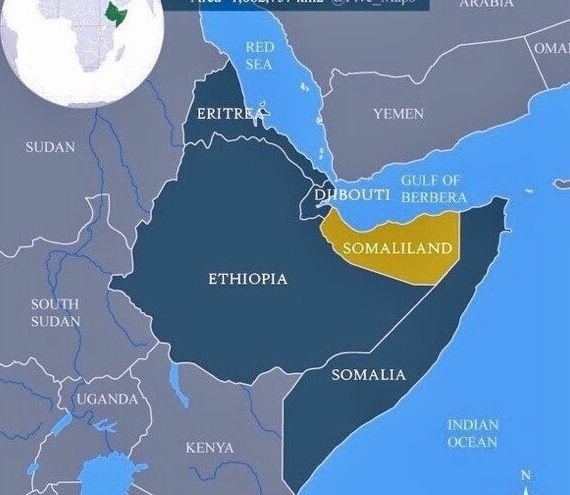
The second crash involved the Ethiopian Airlines Flight 302 on March 10, 2019 from Addis Ababa's Bole International Airport to JKIA in Nairobi. It crashed six minutes after takeoff, killing all 157 people aboard.
Thirty-two of the victims were Kenyans. The cause of the accident is still under investigation.

The crash led to the global grounding the 737 MAX planes in protest until its system is reviewed and certified safe.
The committee said in the report that Boeing, the manufacture of the aircraft, "made faulty assumptions about pilot responses to activation of Max’s Maneuvering Characteristics Augmentation System (MCAS)."
"As a result, Boeing designed that system, which pushes the aircraft’s nose down, to rely on only a single angle-of-attack (AOA) indicator."
The manufacturer also developed the airline under tremendous financial pressure, the report says, hence developed a faulty "737 Max programme to compete with Airbus’ A320neo aircraft.”
This pressure, the findings showed, resulted in cost-cutting and intense efforts to meet schedule.
“The committee’s investigation has identified several instances where the desire to meet these goals and expectations jeopardised the safety of the flying public,” the report says.
Committee chairman Peter DeFazio said the panel's probe was ongoing in the foreseeable future and that the much they have done "...has been able to bring into focus the multiple factors that allowed an unairworthy airplane to be put into service, leading to the tragic and avoidable deaths of 346 people."
edited by peter obuya