IMANI: Punished for following the law: Absurdity of chief inspector Angoya’s detention
By arresting an officer for acting within the law, the Executive has signalled that police who protect citizens’ rights will face retribution.
by CATHY WAMAITHA
Audio By Vocalize
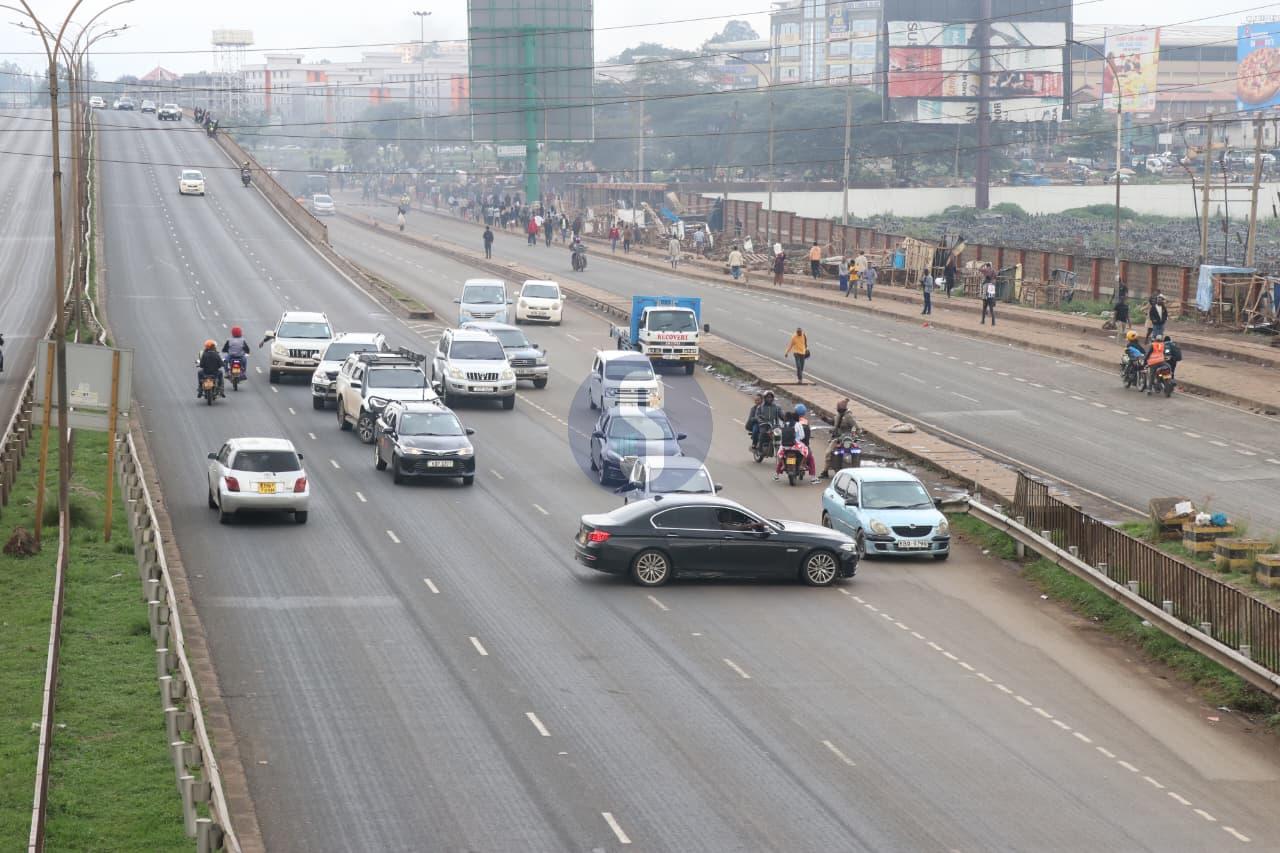
Motorists along Thika superhighway forced to turn back due to the fuel protests on May 18, 2026 /LEAH MUKANGAI
When has a police
officer ever been punished for actually following the law? That is precisely
the absurdity that landed chief inspector Dishon Angoya in a hospital bed
instead of behind his desk at Nairobi Central police station.
Angoya, the Officer
Commanding Station at the city’s busiest police post, did something on Monday
that should have earned him quiet respect from his superiors.
During the
nationwide stay-away protests against skyrocketing fuel costs, he used his
legal discretion to release 64 peaceful protesters on police bond. No
bloodshed. No overcrowded cells. Just a senior officer making a call explicitly
allowed by the constitution.
By the following
morning, he was under arrest. Sources speaking confidentially tell the Star the
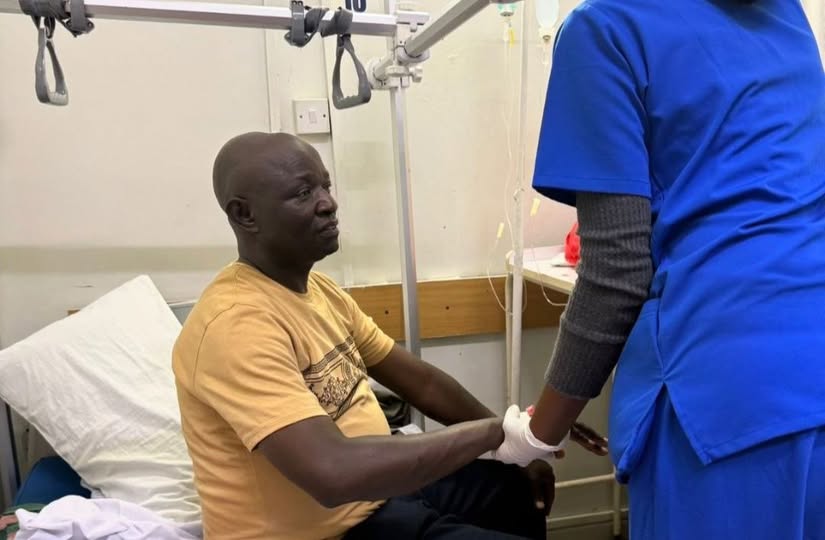
orders to arrest him “came from above”. Within hours, Angoya suffered
health complications while in custody and had to be rushed to Lang’ata
Hospital.
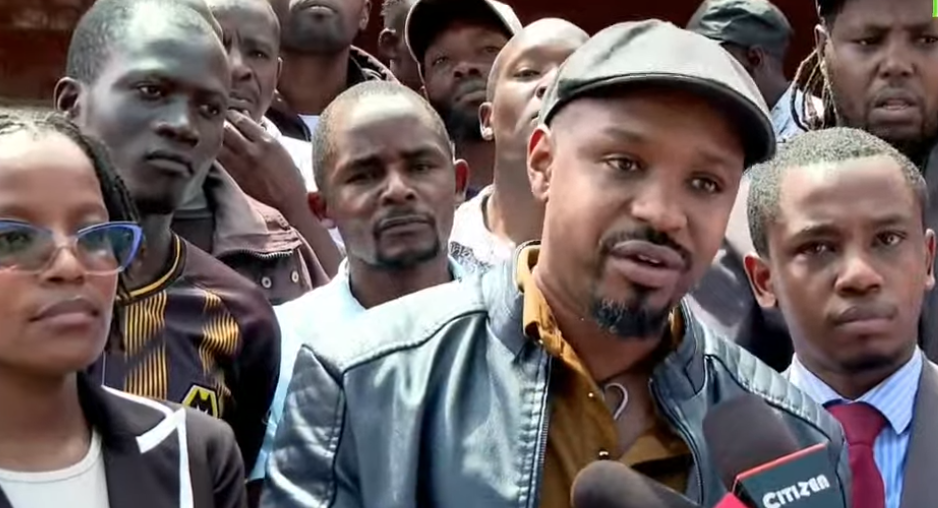
Civil society
groups expressed deep alarm that an officer was being penalised for refusing to
participate in the arbitrary, indefinite detention of peaceful protesters.
The Law Society of
Kenya immediately condemned the arrest. LSK president Charles Kanjama said
Angoya was legally entitled to exercise discretion in the release of arrested
persons.
“Punitive action
arising from the lawful exercise of such discretion risks sending a chilling
message to police officers tasked with upholding constitutional safeguards
within the criminal justice process,” Kanjama said.
In a joint
statement on Tuesday, the LSK and the Police Reforms Working Group — an
alliance that includes Amnesty International Kenya, Haki Africa and the Independent
Medico-Legal Unit — went further. They warned that reports of Angoya’s arrest
being carried out on “orders from above” point to politicised policing and
command abuse.
Transparency
International Kenya, which joined the LSK in condemning the arrest, issued its
own warning, describing the arrest as a grave threat to police independence.
Outside Lang’ata
Hospital, a crowd of youths and activists gathered in solidarity with Angoya,
demanding proof of his condition. Later on Tuesday, after a day-long push by
lawyers and human rights defenders, the senior police officer was released unconditionally, although
police said investigations would continue. Yet all he did was follow the law.
But the aftermath
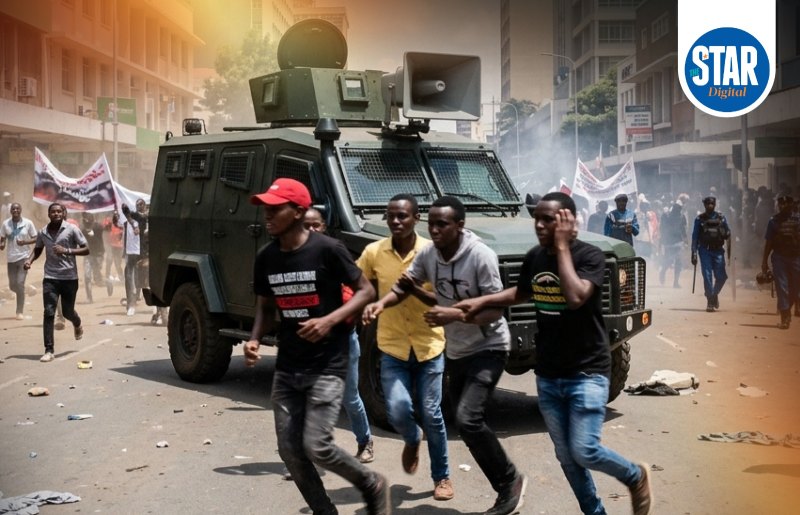
of the fuel crisis was far from over. What began as a legitimate protest
quickly turned deadly. Interior Cabinet Secretary Kipchumba Murkomen
acknowledged that four Kenyans lost their lives, while rights groups condemned
what they described as the excessive use of lethal force by security forces.
Amnesty International called for “maximum restraint”, while the LSK and the
Police Reforms Working Group demanded that the Independent Policing Oversight
Authority (Ipoa) investigate the killings and the allegations of intimidation
surrounding Angoya’s arrest.
As the legal storm
raged, the economic pain that sparked the protests continued to ripple through
Kenyan homes. The same fuel hikes that sent protesters onto the streets have
fractured family budgets.
At a summit in Nakuru marking the International Day
of Families on Monday, the Reproductive Health Champions Organisation issued a
stark warning: the 50 per cent spike in transit fares and rising costs of basic
goods are not only an economic crisis but a social one, actively violating
socio-economic rights and undermining family cohesion.
The organisation
documented a direct correlation between the sharp contraction of disposable
income and a projected rise in
gender-based violence.
But this is not
just about one officer or one family’s budget. It is a test of whether Kenya’s
institutions can withstand political pressure to crush dissent. By arresting an
officer for acting within the law, the Executive has signalled that police who
protect citizens’ rights will face retribution.
The National Police Service has internal
disciplinary mechanisms, but the decision to use criminal charges — and the
reported involvement of senior commanders — suggests a coordinated effort to
intimidate.
As Angoya
recuperates and the investigations continue, the LSK and other rights groups
have vowed to defend him. But the damage may already be done. For now, Kenyans
are watching to see whether the rule of law will prevail — or whether the state
has decided that even police officers are not safe when they stand on the side
of justice.
This is premium content
Subscribe to Continue Reading
Help us continue bringing you unbiased news, in-depth investigations, and diverse perspectives. Your subscription keeps our mission alive and empowers us to provide high-quality, trustworthy journalism. Join us today to make a difference!



![[PHOTOS] The new Ngong –Naivasha Road viaduct](https://cdn.radioafrica.digital/image/2026/06/64d4f771-4432-4aee-ba3c-2f304c4436ec.jpg)








![[PHOTOS] 'Mr Speaker Sir' Gen Z protester in court](https://cdn.radioafrica.digital/image/2026/06/b3e62d8e-25c3-4780-90f9-4eb48b1ce8a7.jpg)