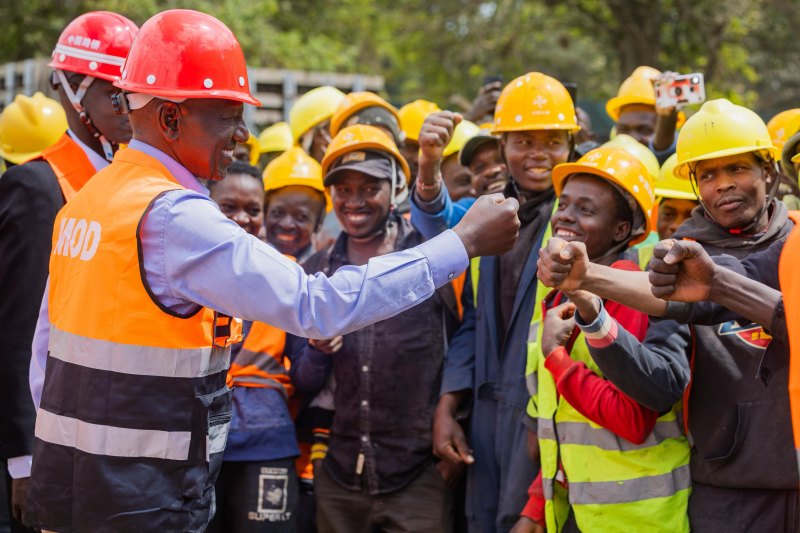
The
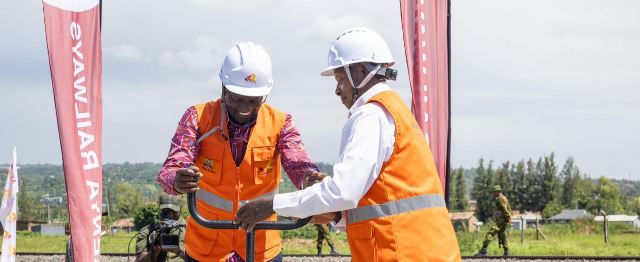
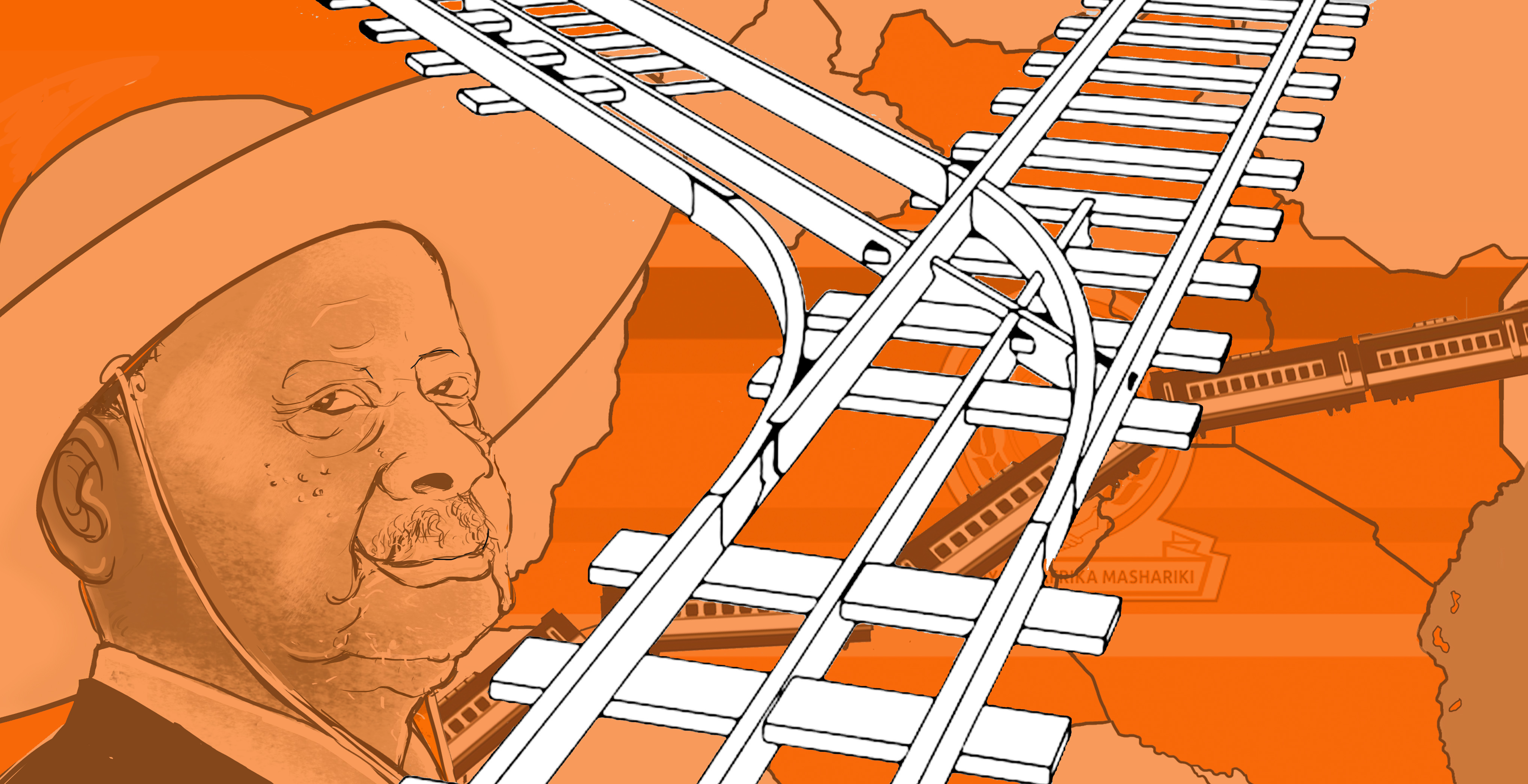
recent launch and planned construction of the Kisumu–Malaba Standard Gauge
Railway by President William Ruto marks a
significant inflection point in Kenya’s infrastructure-led growth strategy.
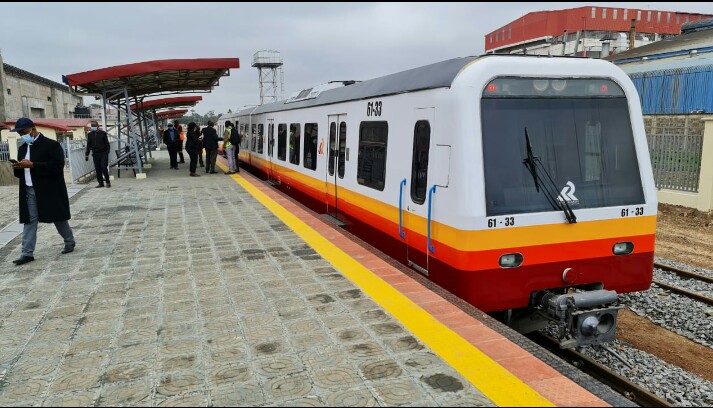
Positioned as a continuation of the
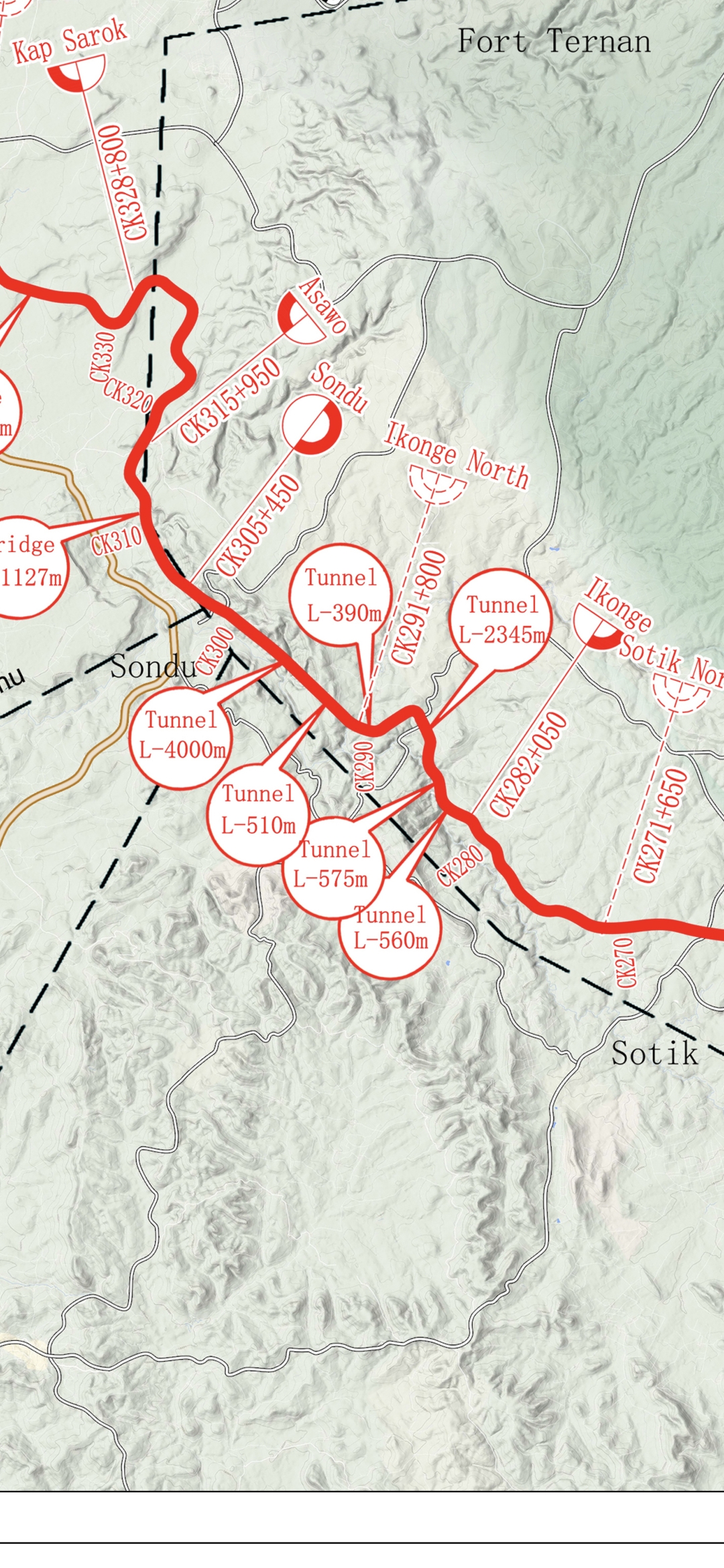
existing SGR network, this extension is not merely a transport project but a
catalytic economic intervention with far-reaching macroeconomic and socioeconomic
implications.
From an economic standpoint, the
Kisumu–Malaba corridor enhances regional connectivity by linking Kisumu—a key
inland port on Lake Victoria—to Malaba, a strategic border town facilitating
trade between Kenya and Uganda.
This connection enhances the position of Kenya
as a regional logistics hub in the East African Community.
This is because the
SGR will be able to lower the cost of conducting business, especially bulk
goods like agricultural commodities, cement and petroleum products because of
cutting the costs of transportation, enhancing cargo movement and reducing the
transit time.
A
critical macroeconomic benefit lies in enhanced trade competitiveness. By
integrating with regional supply chains, the railway reduces logistical
inefficiencies that have historically constrained exports.
Lower freight costs
improve Kenya’s price competitiveness in regional and global markets,
potentially boosting export volumes, improving the balance of trade and
strengthening foreign exchange inflows.
The project’s multiplier effects on
economic growth are substantial. Infrastructure investment generally has a high
fiscal multiplier and this railway is likely to boost the aggregate demand by
augmenting government spending and involvement in the undertaking by the
private sector and consumption induced by infrastructure development.
Towns
along the corridor—such as Ahero, Yala and Busia—are poised for accelerated
urbanisation and commercialisation. Greater accessibility is likely to lure in
investment in real estate, logistic parks, agro-processing industries and
retail trade making these towns become dynamic economic hubs.
Another dimension that is paramount is
the job creation. In the short run, the construction will create direct jobs to
engineers, technicians, machine operators as well as casual workers.
There will
also come indirect employment in supply chains such in cement production, steel
fabrication and transportation services. Operationalisation of the railway will
also maintain the jobs in the management and maintenance of the railway,
security, and related services in the long term.
Besides, the generated
economic activities in the course of the corridor will lead to the creation of
more jobs in small and medium enterprises, hence resolving the problem of
unemployment and underemployment.
In the socioeconomic perspective, the
SGR extension would lead to better livelihoods due to increased mobility and
access to the market. The farmers in western Kenya will enjoy lower
post-harvest losses and have a higher access to the national and regional
markets, which will raise their levels of income.
Also, enhanced transportation
services to passengers will ease labor movements, access to education and
socialisation.
These advantages, however, should be weighed against the
possible displacement impacts and environmental issues, which need to be
properly mitigated by means of establishing effective mitigation systems in
order to achieve inclusive and sustainable development.
The development of Kisumu-Malaba SGR
can be considered strategic in the future since it is a prospective project
that links to Kenya long-term development road map, Vision 2030.
It helps to
strengthen the competitiveness of the Northern Corridor over other routes in
the region especially the Central Corridor of Tanzania. This is by continuing
to extend the railway to the Uganda border, so that Kenya can reap transit
trade revenues, and further integrate the region economically.
However,
financial viability of the project is also a major factor that should be taken
into consideration. Whilst the capital cost is a bitter pill to swallow and considering
the already pressured national debt, a proper arrangement of the financing,
perhaps taking the form of public-private partnerships, is necessary to make
the country financially viable.
In conclusion, the Kisumu-Malaba SGR
reflects a strategically sound economic investment with the potential to unlock
regional trade, stimulate local economies and generate employment.
Its success
will however be beholden on sound financial management, a good implementation
which shall be supplemented with other policies to enhance its full
developmental influence.
The writer is an economist and a business
consultant



![[PHOTOS] The new Ngong –Naivasha Road viaduct](https://cdn.radioafrica.digital/image/2026/06/64d4f771-4432-4aee-ba3c-2f304c4436ec.jpg)









![[PHOTOS] 'Mr Speaker Sir' Gen Z protester in court](https://cdn.radioafrica.digital/image/2026/06/b3e62d8e-25c3-4780-90f9-4eb48b1ce8a7.jpg)