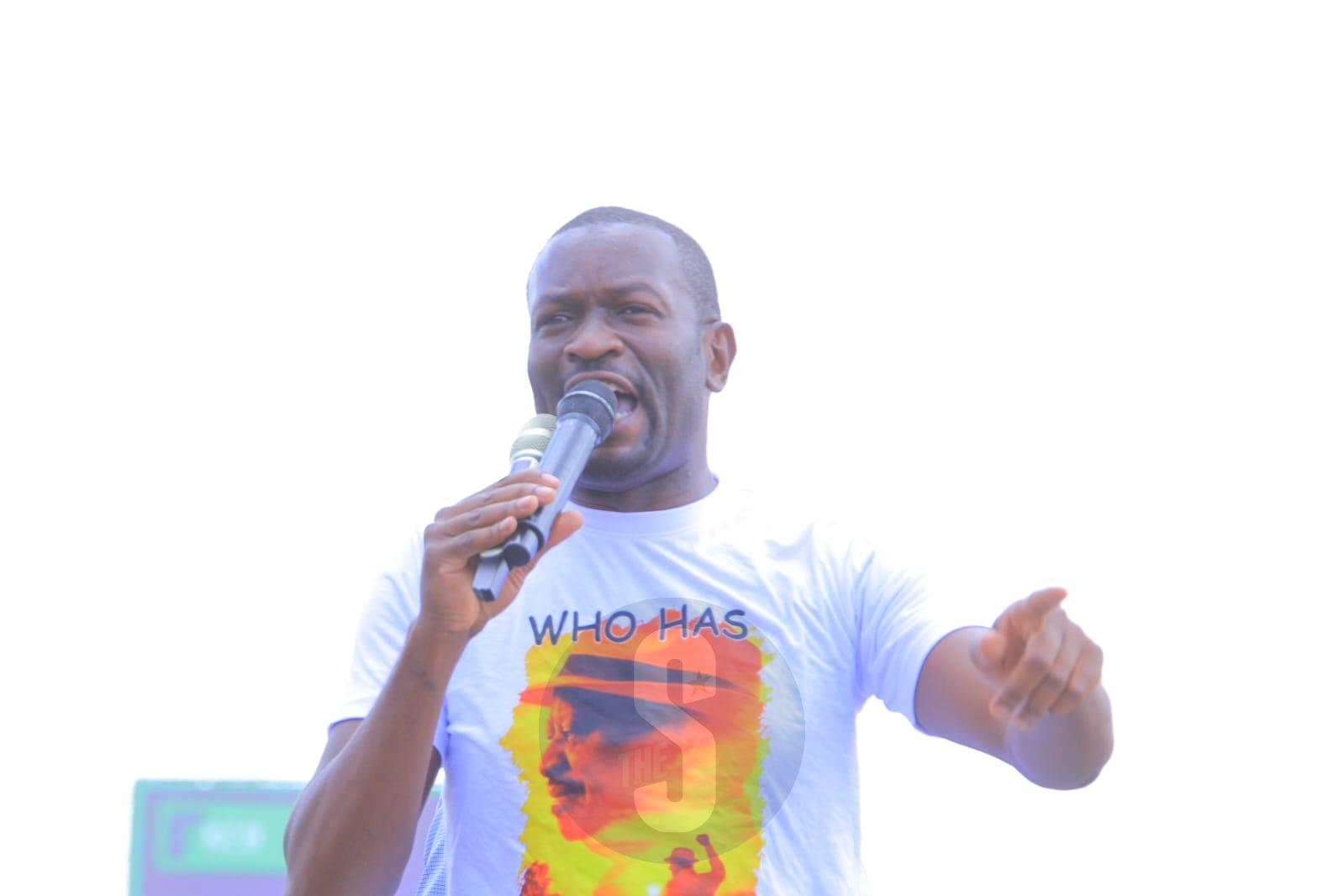
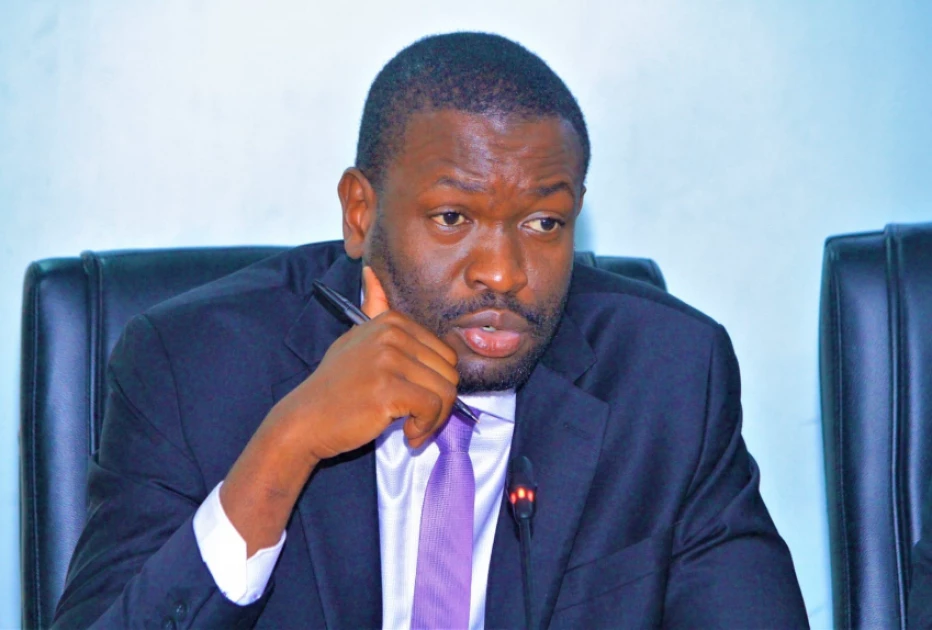
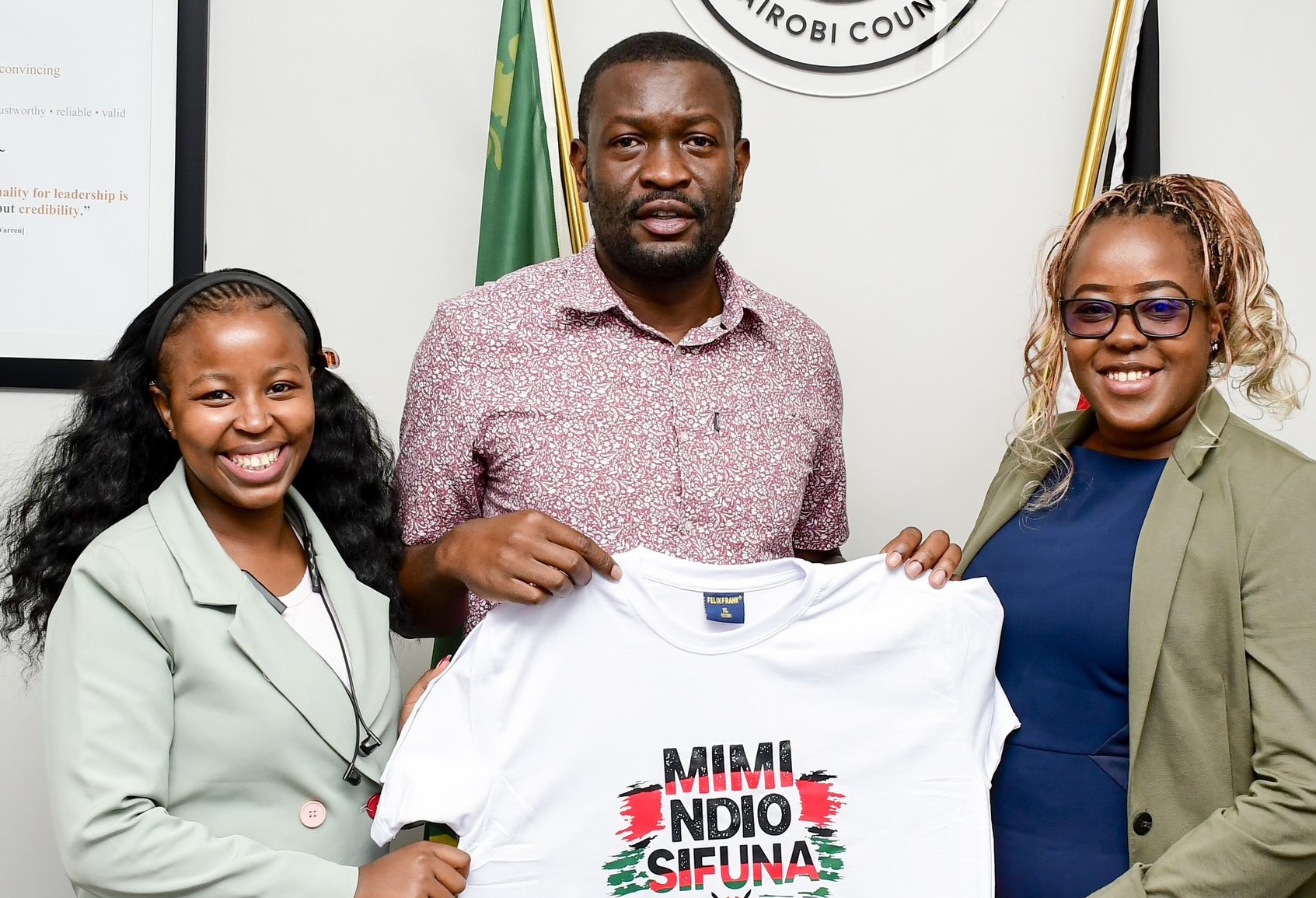
I think Nairobi Senator Edwin Sifuna just found the gap, and he needs to
be consistent. The political gap we have in Kenya is between the current
political leadership and the majority of the population.
Who is behind Sifuna’s push for leadership is a topic
that might be unavoidable for now, because just as any leader seeking electoral
posts in any democratic country, he needs allies.
Who is the majority in ODM that removed Sifuna as secretary-general, and how can
he take advantage of the majority in the event that we have free and fair general
elections come 2027? The court and the Political Parties Tribunal have since blocked his removal.
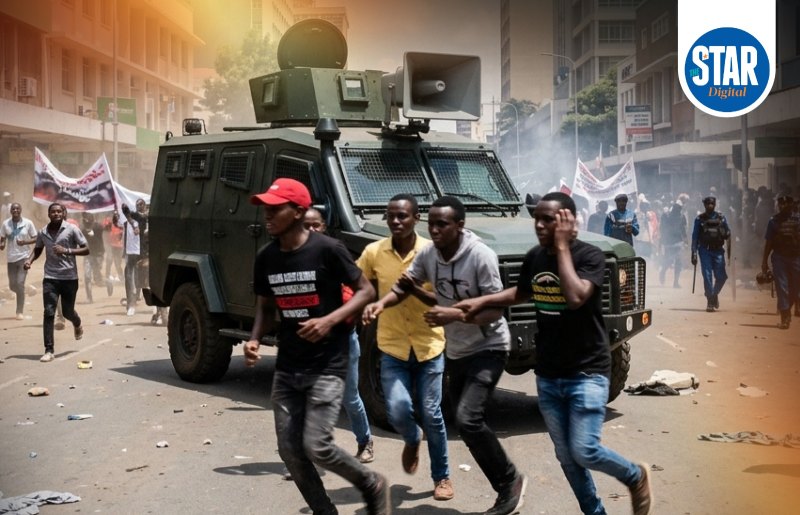
I suppose Sifuna represents the youth electorate. Just to reflect on our
past elections. In the 2022 general election, registered voters aged 18-34 years
accounted for nearly 40 per cent of the 22
million voters.
That translates to about 8.8 million young voters. Since then,
millions more have turned 18. Projections suggest that by 2027, the total
electorate could rise to between 28 and 30 million, with youth aged 18-35 years
forming well over half of registered voters, potentially close to 20 million in
the event that we have a nearly 100 per cent voter
registration amongst the youth.
What can the Nairobi senator do, given these
projected youth numbers?
First, he must frame his political messaging around tangible
youth-centred issues, let him leave the he-said-she-said kind of politics and
fighting with the team Oburu heading ODM. His campaign - that is, if
he will be presidential flagbearer for Team Linda Mwananchi - he should
have the following: clear proposals on job creation, internship pipelines, SME financing
and digital economy reforms.
These would resonate far more than generic calls
for change. Sifuna should know first that most young voters in Kenya are
increasingly policy-aware and digitally engaged; they therefore need factual
substance.
Second, mobilising youth registration and turnout must become a central
pillar of his engagement at the moment, and this was
my hope when he went to Kakamega recently, yet the youth did not come
out strongly from his team. Civic education campaigns, partnerships with
universities and youth groups and sustained digital awareness efforts can
convert demographic advantage into actual ballots.
Third, building a network of grassroots youth champions across counties
would decentralise influence. Getting peer youth to mobilise other peers works
better than top-down messaging. Young Kenyans trust their fellow peer leaders,
musicians, influencers, and other youth cadre.
Finally, consistency will be critical. Many leaders amplify youth
concerns during election cycles and, unfortunately, retreat afterwards. Sifuna
should understand that the youth majority will only rally behind someone who
shows up repeatedly, such as New York Mayor Kwame Mamdani. Youth want someone
who shows up between elections, in policy debates, in community forums and in
moments of national crisis.
His allies, the likes of Siaya Governor James Orengo,
are part of normal democratic coalition-building. That is not unusual, as he
needs people with institutional knowledge. What will matter more is whether he
remains authentic to the seat he seeks to represent.
Kenya’s youth majority remains a political reality waiting to be
activated. The leader who understands this and engages consistently, credibly
and strategically may well shape the outcome of 2027. The opportunity is
there. The question is how Sifuna will seize it and sustain it.



![[PHOTOS] The new Ngong –Naivasha Road viaduct](https://cdn.radioafrica.digital/image/2026/06/64d4f771-4432-4aee-ba3c-2f304c4436ec.jpg)







![[PHOTOS] 'Mr Speaker Sir' Gen Z protester in court](https://cdn.radioafrica.digital/image/2026/06/b3e62d8e-25c3-4780-90f9-4eb48b1ce8a7.jpg)