Swimming lessons are mandatory in German
primary schools, usually in Grades 2 or 3, as part of the curriculum aimed at
ensuring all children are safe in water.
These requirements vary slightly by
federal state, but the goal is for children to achieve basic proficiency, such
as swimming twenty-five metres and jumping into a pool. Swimming is also
compulsory in Austria and in France’s primary schools.
In Kenya, the case is different. Swimming is
largely voluntary and is not compulsory in schools. Instead, it is treated as
an extracurricular activity, mostly embraced by private primary and secondary
schools, with only a few public schools adopting it.
Schools introduce swimming
with good intentions, aiming to build children’s confidence, safety awareness,
physical fitness, and lifelong life-saving skills.
Despite this, last year
alone about one thousand two hundred people died from drowning in Kenya, a
large proportion of them children and young people.
These numbers should urgently inform policy
at the Ministry of Education, in collaboration with the Ministry of Sports.
Many institutions engage in marketing gymnastics to justify “keeping up with
the Joneses”.
This expression captures how mainly private primary and secondary
schools try to outdo each other in extracurricular activities, but often
without adequate capacity.
Picture a primary or junior secondary school
on its activity day, taking children for a swimming session at the nearest
pool, usually one that also operates restaurant services. A few go to sports
centres or to other schools with pools.
The children may number about one
hundred in a particular grade and might be accompanied by only about five
teachers. The situation becomes even more worrying when the group includes the
youngest learners, aged between three and seven years.
The probability that four out of five
teachers are non-swimmers is extremely high. This is not to blame them, as
swimming is not part of their job description, and swimming has not
historically been a common skill in Kenya.
The likelihood that there is only
one swimming coach at the venue is also high. How qualified that instructor is
raises further concern. Many swimming venues also display “swim at your own
risk” notices. This paints a grim picture of the environments where innocent
children are taken.
As these children enjoy their swimming
activity, how possible is it for one instructor to monitor one hundred small,
excited children at once? It is impossible, and this is how drowning incidents
occur.
Those who are fortunate may be children whose
parents have paid for extra swimming lessons. However, children will always be
children, and even good swimmers can innocently lead non-swimmers into risky
situations.
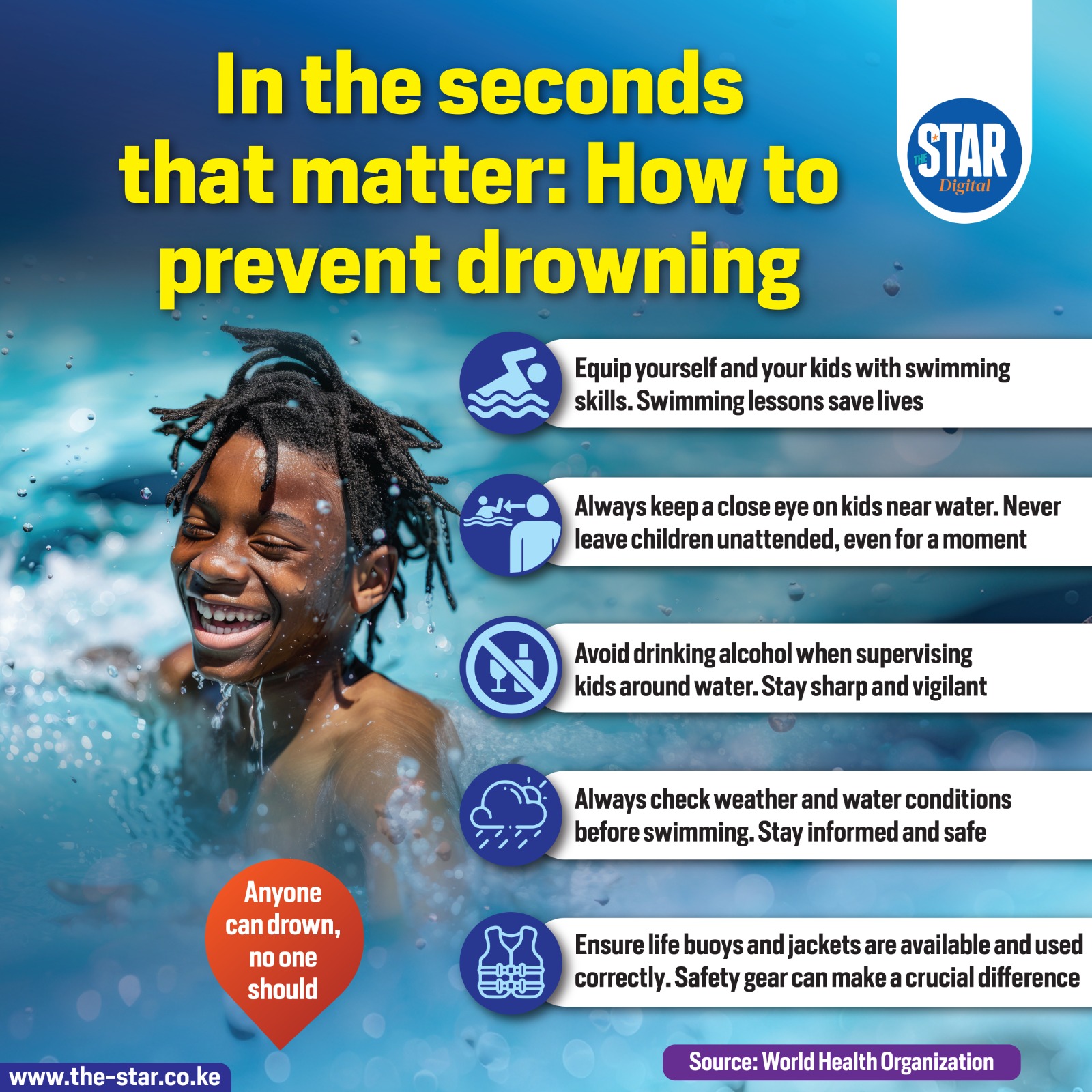
Drowning can occur in minutes and often silently, depending on
conditions and health. This is why supervision by multiple qualified
instructors and teachers, as well as rapid rescue, saves lives.
Many tragedies
reported during well-meaning school excursions could be avoided. This risk is
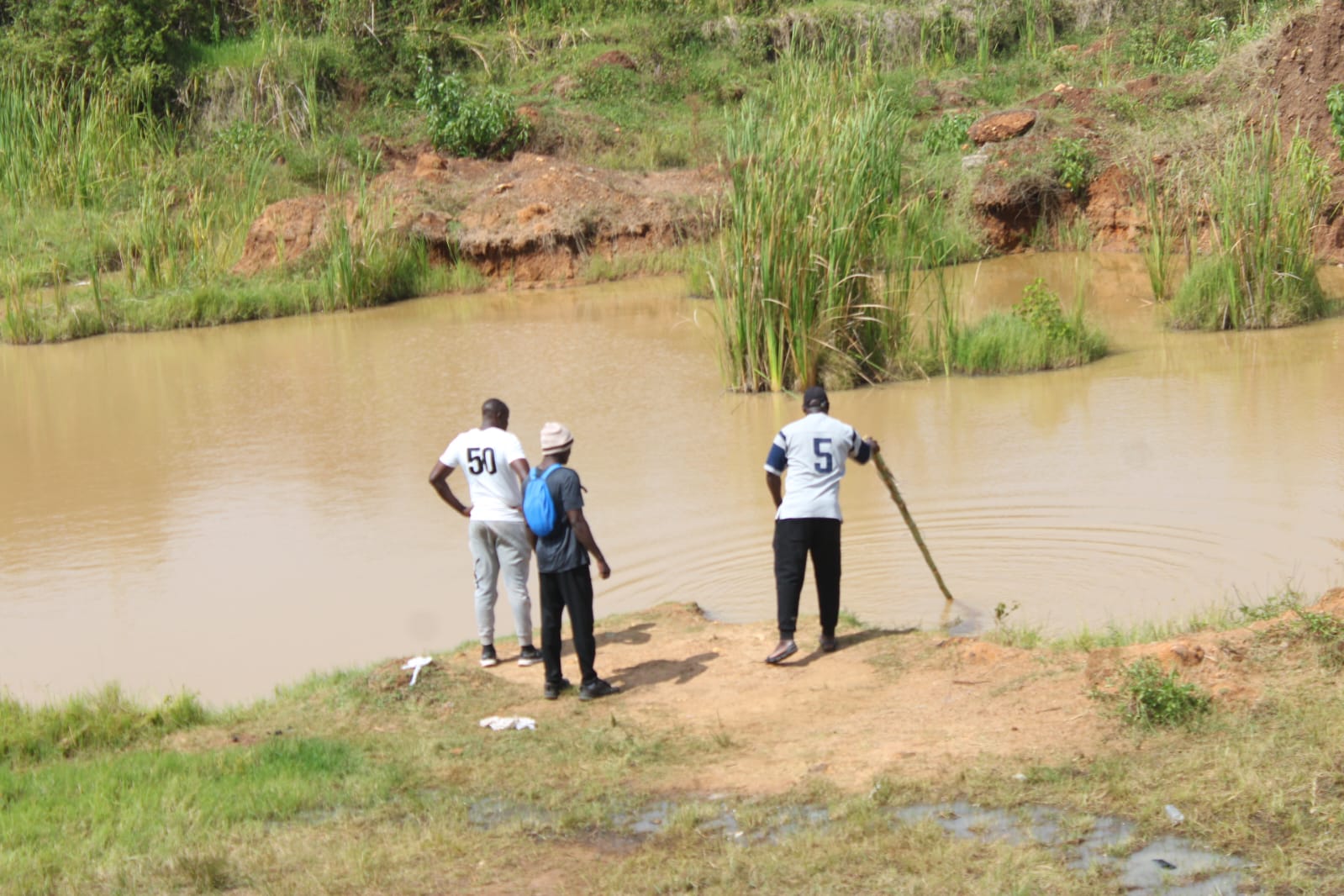
not limited to swimming pools, but also applies to rivers, lakes, and dams. If
more adults had swimming skills, as is common among coastal communities, many
dangers could be reduced.
In January this year, social media circulated
the story of an Australian boy whose strong swimming skills enabled him to
rescue his mother and siblings during a sea accident. He swam for nearly four
hours, a skill he had learnt to a professional level, and saved his family’s
lives.
Making swimming mandatory in primary schools
and embedding it in government policy is therefore a critical public safety and
equity measure. In Kenya, drowning remains a preventable yet persistent cause
of death, particularly among children living near rivers, lakes, quarries, and
coastal areas, yet lacking basic water survival skills.
A government-led compulsory programme would
ensure early exposure to water safety, rescue awareness, and confidence around
water, reducing fear and panic that often lead to fatalities. Schools could
also require parents to present swimming clearance when admitting their
children.
This approach would create employment opportunities for certified
swimming instructors, offering a long-term career path in sports, one of the
core pillars of the competency-based curriculum. This is one way governments
can create jobs by addressing critical gaps in society.
Beyond saving lives, mandatory swimming
promotes physical health, discipline, and resilience, while embedding a culture
of prevention rather than reaction. Treating swimming as a core life skill,
like road safety or first aid, affirms Kenya’s responsibility to protect
children and equip them with practical skills for survival.




![[PHOTOS] The new Ngong –Naivasha Road viaduct](https://cdn.radioafrica.digital/image/2026/06/64d4f771-4432-4aee-ba3c-2f304c4436ec.jpg)







![[PHOTOS] 'Mr Speaker Sir' Gen Z protester in court](https://cdn.radioafrica.digital/image/2026/06/b3e62d8e-25c3-4780-90f9-4eb48b1ce8a7.jpg)