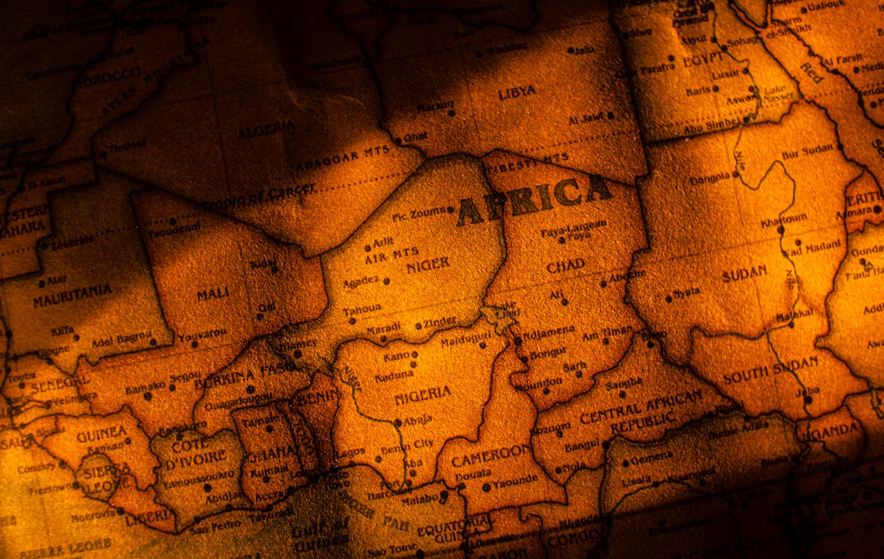
Africa has become an unexpected powerhouse in
mobile trading, and it happened almost by accident. While Europe and America
were still tied to their desktop computers, millions of Africans were already
comfortable doing everything financial on their phones. This head start is now
paying off big time.
How Mobile Money Changed Everything
Back in 2007, Kenya launched M-Pesa, and
nobody predicted it would reshape an entire continent's relationship with
money. Within a few years, people who had never owned a bank account were
sending cash across countries using just their phones. Market vendors, taxi
drivers, and farmers all became comfortable with digital transactions. When
trading platforms started offering forex and other investment options through
mobile apps, this existing comfort level gave Africans a massive advantage.
The psychological barrier that stops many
people from trying mobile financial services just didn't exist here. Africans
were already there when the trading revolution started. Meanwhile, rural
traders gained access to global markets without traveling to cities or dealing
with traditional brokers. A farmer in rural Kenya could check commodity prices
and make trades during lunch breaks.
Breaking Away from Old-School Complications
Traditional brokers seemed to enjoy making
things difficult. Endless paperwork, mandatory office visits, fat minimum
deposits that locked out ordinary people; the whole system felt designed for
wealthy insiders only. Mobile apps said "forget all that" and built
something completely different.
Now, someone can open a trading account while
stuck in traffic. Taking photos of your ID counts as document verification.
Putting money into your account works the same way as paying for groceries with
mobile money. The whole experience became less intimidating because it worked
like other apps people already used daily.
The learning curve got friendlier, too. Rather
than throwing beginners into deep market analysis, mobile apps started walking
people through everything. Demo accounts let you practice with fake money until
you felt confident.
Technology Finally Worked with Africa
For years, terrible internet held everything back across
the continent. That's changing quickly now. 4G towers are popping up
everywhere, data prices keep falling, and smartphones capable of serious
trading don't cost a fortune anymore.
The clever part is how modern apps handle the
technical heavy lifting. Instead of forcing your phone to crunch all the
numbers locally, everything complicated happens on powerful servers somewhere
else. Your phone just displays the results, which means even budget smartphones
can run professional trading software.
Creating Income That Fits Real Lives
Mobile trading opened doors for people who
never would have considered financial markets before. College students trade
during breaks to cover expenses. Shop owners use it to protect themselves when
currency values bounce around. Recent graduates who can't find traditional jobs
have figured out how to make decent money through careful trading.
What makes it work is the flexibility. Most
Africans juggle several income sources anyway; maybe some farming, a small side
business, plus occasional formal work. Mobile trading slots right into that
pattern because you can do it anywhere, anytime. It's extra money on top of everything else, not a
replacement for regular income.
Big international companies started paying
attention and opened African offices. That brought outside investment, created
tech jobs for locals, and meant knowledge transfer as foreign experts trained
African staff.
What Happens from Here
Africa's mobile trading explosion follows the
same pattern the continent uses for most new technology. Instead of slowly
upgrading old systems, Africans tend to skip straight to whatever's newest and
best. Mobile phones replaced landlines without anyone bothering with the
in-between steps.
Mobile trading will probably keep growing as
smartphones get cheaper and internet access spreads further. What started as a
creative solution to Africa's banking problems has turned into a genuine
competitive advantage. Other parts of the world are now watching how Africa
does mobile trading, trying to figure out what comes next.
![[PHOTOS] The new Ngong –Naivasha Road viaduct](https://cdn.radioafrica.digital/image/2026/06/64d4f771-4432-4aee-ba3c-2f304c4436ec.jpg)





![[PHOTOS] 'Mr Speaker Sir' Gen Z protester in court](https://cdn.radioafrica.digital/image/2026/06/b3e62d8e-25c3-4780-90f9-4eb48b1ce8a7.jpg)