Travel is often measured in destinations covered, borders crossed and stamps collected in a passport. Yet, some journeys begin closer to home. Not through air travel, railway or by road, but a journey made of connecting and exploring different cultures in one setting.
That includes fashion, whose journey across continents reveals surprising stories about consumption, sustainability and cultural exchange.
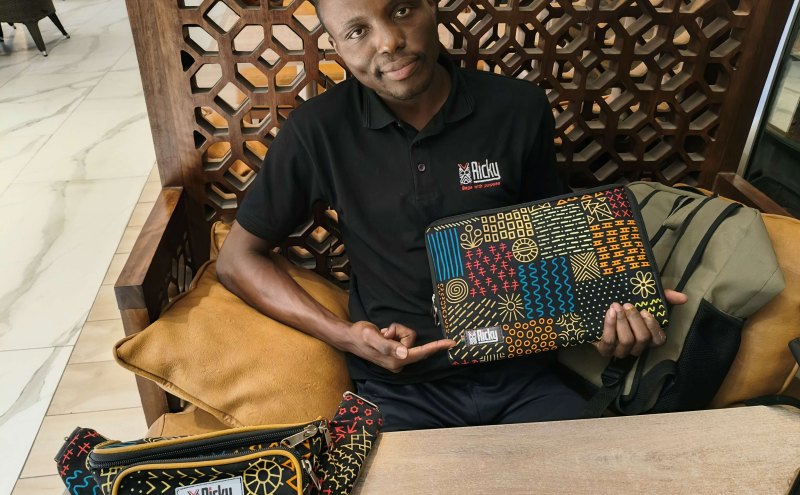
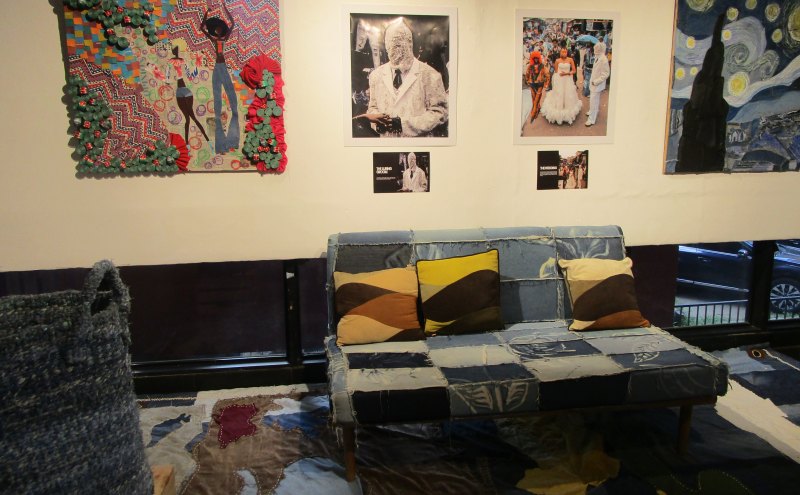
On a cool Friday evening, I attended an event hosted at Alliance Francaise in partnership with Africa Collect Textiles, Unplug Africa and Kickass Films, whose main purpose was to create awareness on sustainable fashion by showcasing how textile waste coming from mitumba is being upcycled to make creative outfits, bags, décor and other materials.
I found the whole idea so fascinating, innovative and educative. I mean, who knew that that old pair of jeans you just threw away could be upcycled to make a beautiful bag or even a couch?
While the event was launched on World Environment Day and featured a film screening, panel discussion and exhibition of products made from textile waste, the exhibition will continue until June 21, giving visitors an opportunity to explore the innovative creations on display.
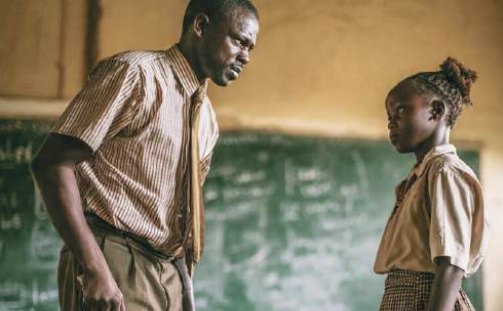
As I sat in the auditorium watching the film, The Afterlife of Waste, a wave of emotions washed over me. The room was filled with pin-drop silence, yet minds seemed crowded with questions. The documentary followed the journey of second-hand clothing as it travels across the world to Africa, while highlighting some of the key challenges surrounding the industry.
One issue that stood out was how second-hand clothing often moves from abroad to Africa through informal networks, compromising the quality of garments that are sent in. With no proper structure in place to ensure the clothes are wearable and in good condition, some arrive torn, damaged and unsuitable for use.
During the discussion, one participant spoke of the unfortunate reality that, in some cases, clothing shipped to Africa come in soiled with stains and others even come from prisons. I do not understand why someone would think of donating prison uniform to be worn casually on a normal day.
The film noted that Kenya is the largest importer of second-hand clothing in Africa, surpassing Nigeria. Out of the 185,000 tonnes imported in Kenya, only 40 per cent is considered wearable. The rest becomes waste.
Overproduction of clothing is another challenge the global fashion industry is facing. That is why boards and organisations such as Africa Collect Textiles have emerged to purposely manage textile waste and protect the environment from pollution.
Dandora, one of Nairobi's largest dumpsites, featured prominently in the documentary. Anthony Mwangi, the film’s director, expressed concern for residents who live in such unfavourable conditions.
He said many suffer serious health consequences due to the environment and that, despite years of discussion, the issue remains unresolved. Since 2003, he added, efforts to permanently address the dumpsite and transform the area have fallen short.
The documentary also featured Janet Chemitei, an environmentalist and slow-fashion educator, who took viewers on a journey through Ghana's second-hand clothing market, drawing comparisons with Kenya's very own Gikomba market. I must admit, the contrast was striking and at some point, heartbreaking.
Watching the frustrations of Gikomba traders unfold on screen was difficult. The market has suffered repeated fires over the years, disrupting livelihoods and leaving vendors struggling to rebuild. Various traders voiced their frustrations, saying their ability to earn a living had been compromised and expressing disappointment with the government's response.
Despite the challenges, the film left me feeling hopeful. I was introduced to a side of fashion I had never thought of before. If I had to describe it in a few words, I would say this: The young generation is innovative, resilient and full of potential.
One individual who embodied that spirit was Luca Rindii, a Gen Z stylist and fashion enthusiast. Featured in the documentary, she spoke about visiting Gikomba market to source unwanted clothing, and transforming it through styling and creative storytelling on social media. What stood out most was the fire and ambition behind her words.
Luca shared how she has repeatedly tried to get the attention of Vogue, the globally renowned fashion magazine known for setting trends. When those efforts proved unsuccessful, she asked herself a simple question: “Why don't I create my own Vogue, a platform that tells Africa’s story instead?” From that idea, Gikomba Fashion was born.
The concept was refreshingly bold. A runway event held right in the heart of Gikomba, embracing the market's informal character, while celebrating its creativity. Models showcased outfits made from textile waste, turning discarded materials into works of art.
Even through the screen, the energy was impossible to ignore. Cheers and excitement filled the air as models strutted confidently through the market in vibrant, eye-catching designs. The colours popped, the crowd responded enthusiastically and for a moment, the challenges highlighted throughout the film seemed to fade into the background.
This was, without question, my favourite part of the documentary. Appearing at the very end of the film, it left me smiling and cheering as though I were experiencing the runway firsthand rather than watching from a theatre seat.
Most importantly, it changed my perspective. Perhaps there is light at the end of the tunnel after all.
Despite the challenges facing the second-hand clothing industry, I left convinced that solutions are possible. With stronger structures, stricter regulations governing production and the movement of clothing across the world and continued investment in sustainable practices, meaningful change can happen.
More importantly, there are many innovative, hardworking individuals leading that change, and they are determined to create a better future from what others have discarded.